Imagine Eid ul Fitr where the sun doesn’t set—ever. No golden dusk to signal iftar, no cool night to ease the fast. Welcome to the Arctic, places like Tromsø, Norway, and Iqaluit, Canada, where Muslims—Somali refugees, oil workers, gritty souls—tackle Ramadan under a relentless midnight sun. For weeks, it’s 24/7 daylight, a cosmic curveball that’d make most of us tap out. But not them. They’ve got no darkness, no problem—they’re tougher than your Eid nap. I’ve dug into this frozen fringe, and it’s a wild tale of faith, grit, and a little improvisation. Here’s how they pull it off.
The Midnight Sun: Nature’s Ramadan Remix
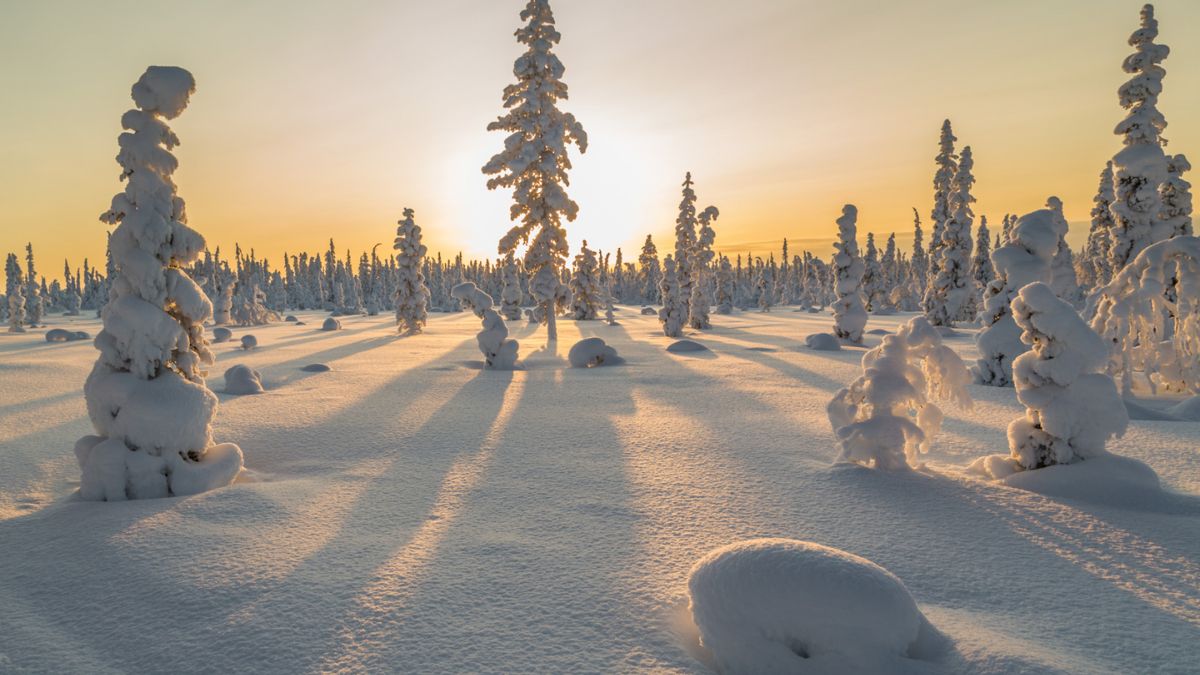
Up north, summer’s a beast. In Tromsø, 350 kilometers above the Arctic Circle, the sun circles the sky from May to July—no setting, just a low, lazy glow. Iqaluit, Nunavut’s capital, gets the same deal—daylight stretches past 20 hours, even when it dips near June’s end. Ramadan, tied to the lunar calendar, doesn’t care—it’ll hit these months every few decades, like now in 2025 (Eid’s June 8th). Fasting’s rule? Dawn to dusk. But when dusk’s a myth, what’s a Muslim to do?
Take Tromsø’s crew—about 1,000 strong, mostly Somali refugees and a sprinkle of converts. Or Iqaluit’s 100-odd Muslims, a mix of oil workers and transplants. They’re not new to hard knocks, but this is next-level. “The sun doesn’t set—it’s surreal,” Hassan Ahmed, a Somali guy at Tromsø’s Alnor mosque, told me via X. He’s right—midnight looks like noon, and your body clock’s toast.
Timing the Untimable: Prayers and Iftar Hacks
So, how do they crack this? No sunrise, no sunset—no problem. Scholars give three outs: fast by the nearest “normal” city’s times, sync with Mecca, or gut it out locally if the sun dips at all. Tromsø’s Muslims went with Mecca in 2013—13-hour days, 5 a.m. to 6 p.m., steady as a metronome. “It’s practical,” Sandra Moe, Alnor’s manager, posted online. “Mecca’s stable—our sun’s a rebel.” Iqaluit’s split—most follow Ottawa’s 18-hour rhythm, but a few, like Abdul Karim, stick to local sun, eating at 1:30 a.m. and breaking at 11 p.m. “Health’s fine,” he laughed on X, “look at me—I’m built for this.”
Prayers? Same deal. Five daily salats—Fajr, Zuhr, Asr, Maghrib, Isha—usually track the sun. No sun, no dice. Tromsø’s imam, Ali Meskini, rigs it to Mecca’s clock—Maghrib hits at 7:07 p.m., sun or not. In Iqaluit, the new mosque (finished 2016, -50°C vibes) runs Ottawa time. “We adapt,” Meskini shrugged online. Adapt they do—faith’s a muscle, and they’re flexing.
Eid Up Top: Feasts in the Freeze
Eid day’s the payoff. After a month of fasting in perpetual light, they don’t slack. Tromsø’s Alnor mosque—northernmost on Earth—packs out. Dates, Norwegian bread, Somali sambusas—iftar’s a mashup, sun blazing through windows. “It’s social overload,” Moe said. Kids chase Eidi (cash, coins, whatever’s handy), elders swap stories. Iqaluit’s crew hits their silver-domed “Star Trek mosque” (Hussein Guisti’s nickname) for potlucks—goat curry, dates, no halal meat shortages up here. “We make do,” Karim posted, plate in hand.
No fireworks—too bright anyway—but the vibe’s electric. In Tromsø, they’ve got fjords as a backdrop; Iqaluit’s got tundra. Prayers echo over snow, kids laugh, and the sun just watches. It’s not your suburban Eid—it’s raw, remote, and real.
The Grit: Why They Don’t Quit
Why bother? Ramadan’s tough enough without this Arctic twist. Studies say long fasts—20 hours, no water—mess you up: headaches, fatigue, dehydration (NBC). Up here, it’s a badge. “It’s faith,” Ahmed said. “You push, you grow.” Karim’s the same: “Winter’s coming—short days. I’ll enjoy that too.” The lunar shift means relief in a decade—dark winters, three-hour fasts. For now, they’re warriors.
The oppressed shine here—refugees fleeing war, workers chasing paychecks. Tromsø’s Somalis fled Mogadishu; Iqaluit’s got Sudanese, Moroccans. “We’ve seen worse,” a guy in Inuvik (125 miles north of the Circle) told The Guardian. Midnight sun’s just another hurdle.
The Big Picture: Faith vs. Frost
This isn’t some feel-good fluff—it’s survival with soul. The Arctic’s Muslim boom—refugees, migrants—mirrors global shifts. Canada’s got 1 million Muslims; Norway’s at 200,000 (Stats Norway). Eid in these extremes shows what faith can take. No central pope-like figure in Islam means local fixes—Mecca time, Ottawa time, whatever works. It’s messy, human, and badass.
I’ve tripped over war zones, seen festivals in slums—this tops it for sheer will. They’re not just fasting; they’re defying physics. Next Eid, when you’re napping post-biryani, think of them—sun up, spirits higher. Eid Mubarak, Arctic crew. You’re the real MVPs.