Introduction
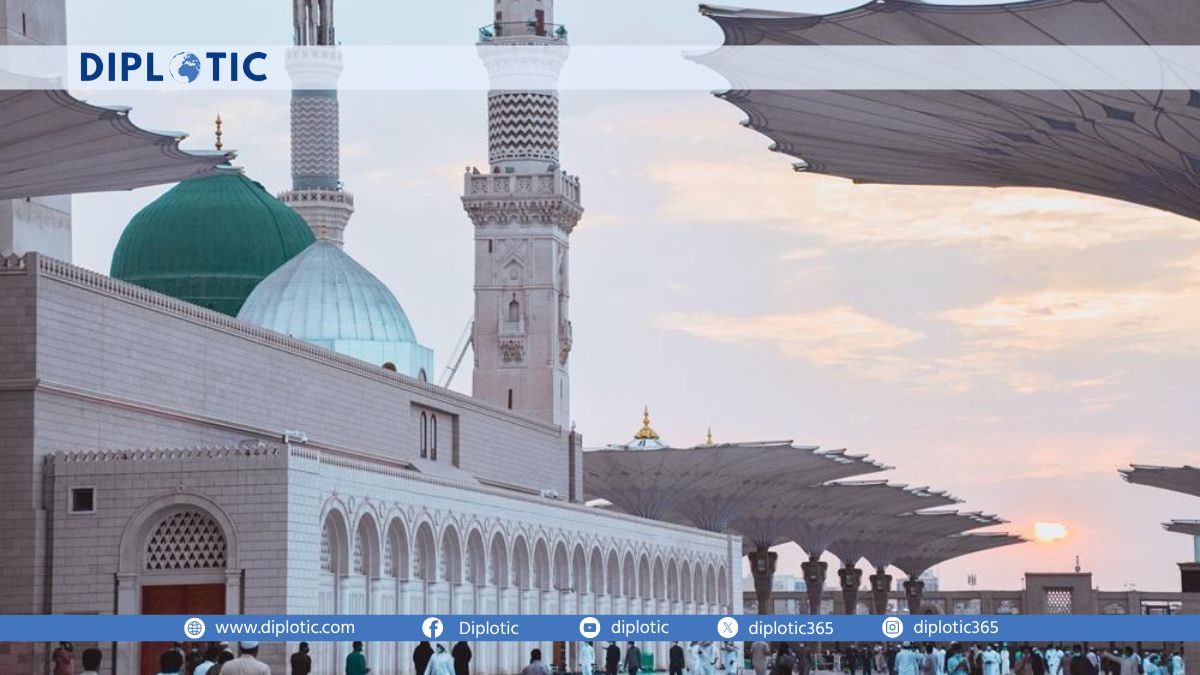
Milad-un-Nabi is the commemoration of the birth of the Prophet Muhammad ﷺ, who was born in Mecca in the year 570 CE (12th of Rabi al-Awwal). For Muslims, it is not just a date on the calendar; it represents the arrival of the Messenger of Allah, who brought the Quran and guided humanity with Islam. Muslims celebrate this to express love for the Prophet ﷺ.
Why Do Muslims Celebrate Mawlid?
Many Muslims mark the Prophet Muhammad ﷺ’s birthday as an expression of love, gratitude, and remembrance. Three kinds of evidence are commonly cited:
From the Quran
Allah commands believers to send prayers upon the Prophet: “Indeed, Allah and His angels send blessings upon the Prophet. O you who believe, send blessings upon him and greet him with peace.” (Quran 33:56). Allah tells Moses to “remind [the people] of the Days of Allah,” which classical tafsir explains as commemorating divine favors. Many scholars analogize public remembrance of the Prophet’s birth as a day of Allah’s favor. (Quran 14:5).
From the Hadith
Asked about fasting on Mondays, the Prophet ﷺ said, “It is the day I was born and the day revelation was sent to me.” This shows marking his birth with worshipful gratitude is meaningful. General encouragements to send abundant salawat (blessings) on the Prophet ﷺ are well established. Many Mawlid gatherings center on that act which the Quran itself commands (33:56).
From Leading Scholars
Egypt’s Dar al-Ifta (linked to al-Azhar) explicitly permits Mawlid as a praiseworthy expression of love for the Prophet when it contains lawful acts such as Quran recitation, dhikr, charity, and praise poetry. Ibn Taymiyyah criticized taking the birthday as an official festival, but he also wrote that some who do so “out of love and to honor the Prophet” may be rewarded for their intention, even if the action itself is an innovation. This is frequently cited to show a nuanced view.
What Do People Actually Do on Mawlid, and How Does That Measure Up to Quran & Sunnah?
Below are common Mawlid practices and a brief legal reading grounded in primary texts. The bottom line most mainstream fatwas reach: if the activities are themselves Sunnah-compliant, they’re permissible; if they include the impermissible, they’re rejected.
Sending Abundant Ṣalawat Upon the Prophet
Directly commanded (Quran 33:56). Considered virtuous at all times, including Mawlid.
Reciting Quran, Narrating Sirah, Religious Reminders
All are recommended acts generally, and Dar al-Ifta lists them as appropriate Mawlid content.
Fasting (Especially a Monday Near Mawlid)
The Prophet fasted Mondays citing his birth and first revelation. Fasting remains a Sunnah form of gratitude, whether or not it falls on 12 Rabi al-Awwal.
Feeding the Poor, Giving Charity, Community Meals
Charity is perennially recommended. Many use the occasion to increase sadaqah. Dar al-Ifta endorses this as part of Mawlid.
Praise Poetry, Devotional Songs, Public Lectures
Al-Azhar/Dar al-Ifta permits such gatherings if the content is sound and decorous. Jordan’s Iftā’ likewise treats Mawlid-style praise as permissible custom when the content is lawful.
Street Processions, Lighting, and Decorations
These are cultural forms of public joy. They’re permissible where they don’t involve prohibited elements (immodesty, mixed-gender impropriety, traffic dangers, wastefulness). The general prophetic rule applies: “Whoever introduces into this matter of ours that which is not from it, it is rejected,” meaning any haram element is rejected, but neutral customs remain permissible as custom, not worship.
Is Mawlid a South Asian Phenomenon or Widespread Across the Muslim World?
It’s widespread. In fact, Mawlid is a public holiday in a large majority of Muslim-majority countries, across the Middle East, North and West Africa, and Southeast Asia. An academic reference notes that at least 47 countries officially observe Mawlid as a holiday.
Egypt
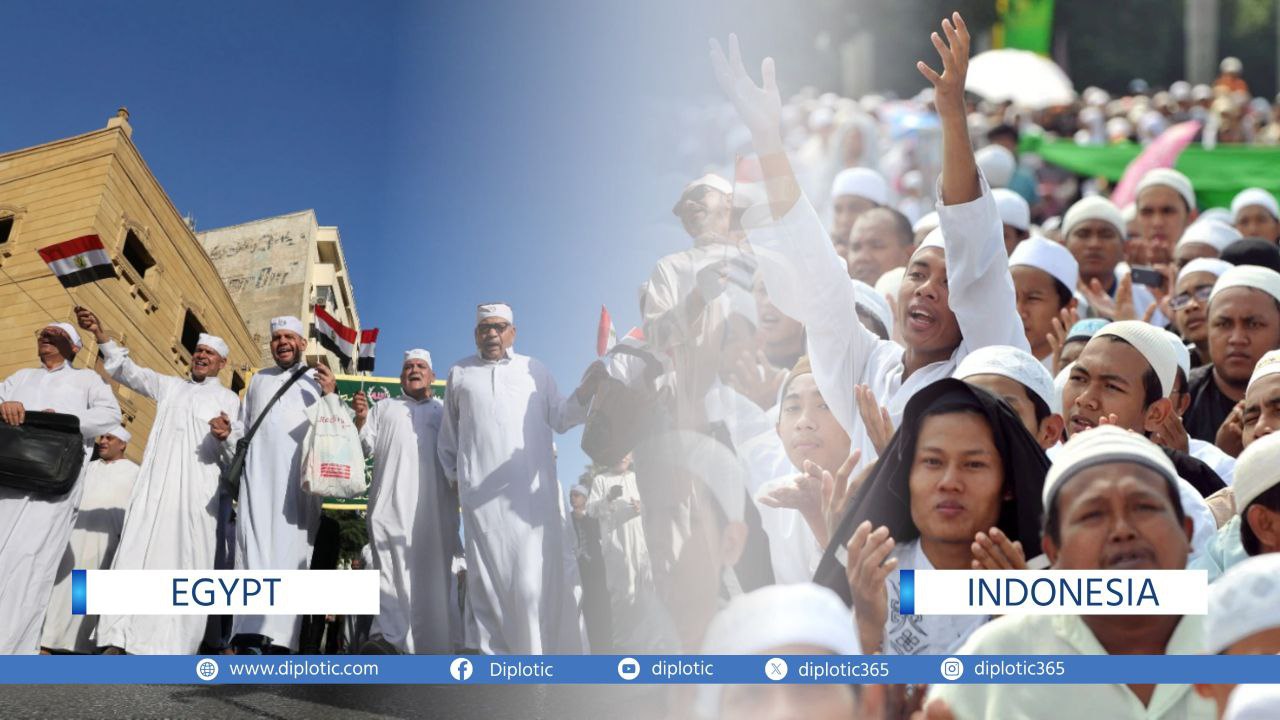
Egypt is famous for its festive Mawlid traditions. Streets and mosques are decorated with lights, and markets sell special sweets known as halawet al-Moulid. Public lectures and religious gatherings are organized in mosques such as Al-Azhar.
Indonesia
As the world’s largest Muslim-majority country, Indonesia celebrates Mawlid with government events, mosque gatherings, and local festivals. Traditional gamelan music and cultural performances are sometimes included, blending Islamic devotion with Indonesian culture.
Bangladesh
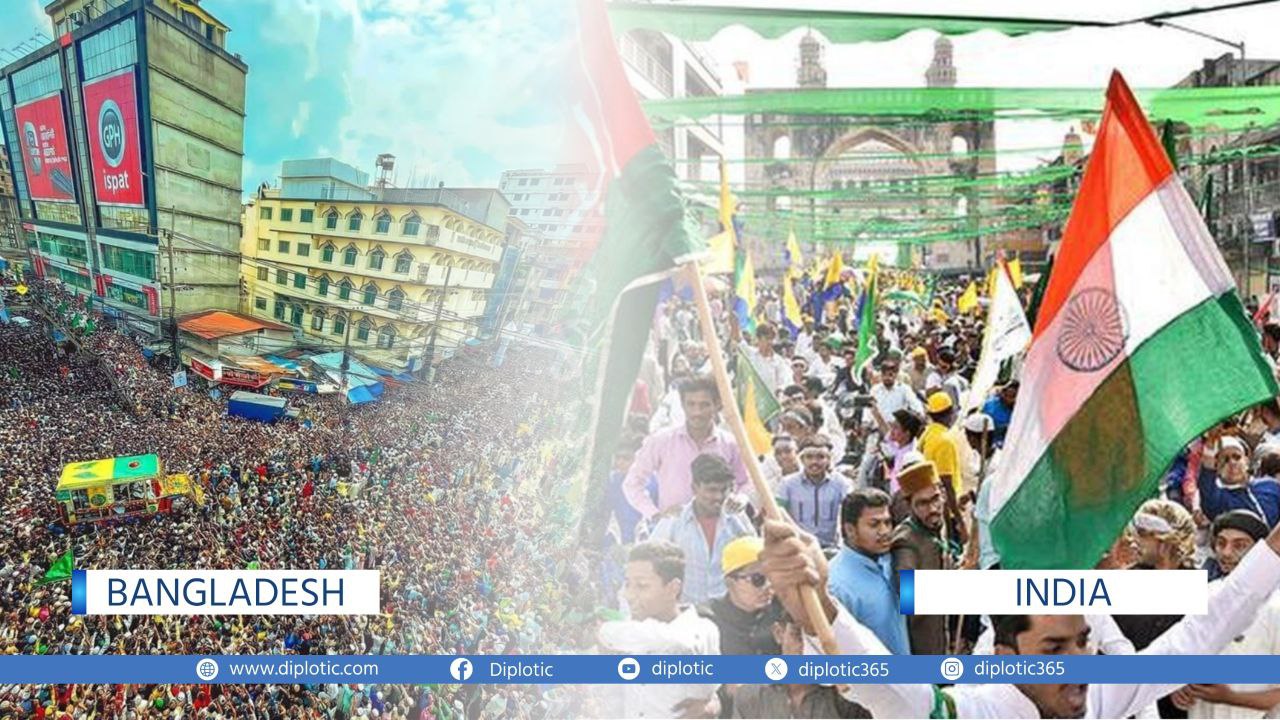
In Bangladesh, Eid-e-Milad-un-Nabi is a public holiday. The streets of Dhaka and Chittagong are adorned with lights, and processions move through major cities carrying banners and chanting praises. Mosques and madrasas arrange special mahfils focusing on the Prophet’s life and teachings.
India
In India, especially in Hyderabad, Lucknow, and Mumbai, Mawlid is observed with colorful processions, naat competitions, and distribution of food. Scholars deliver lectures highlighting the Prophet’s message of mercy and compassion.
Pakistan
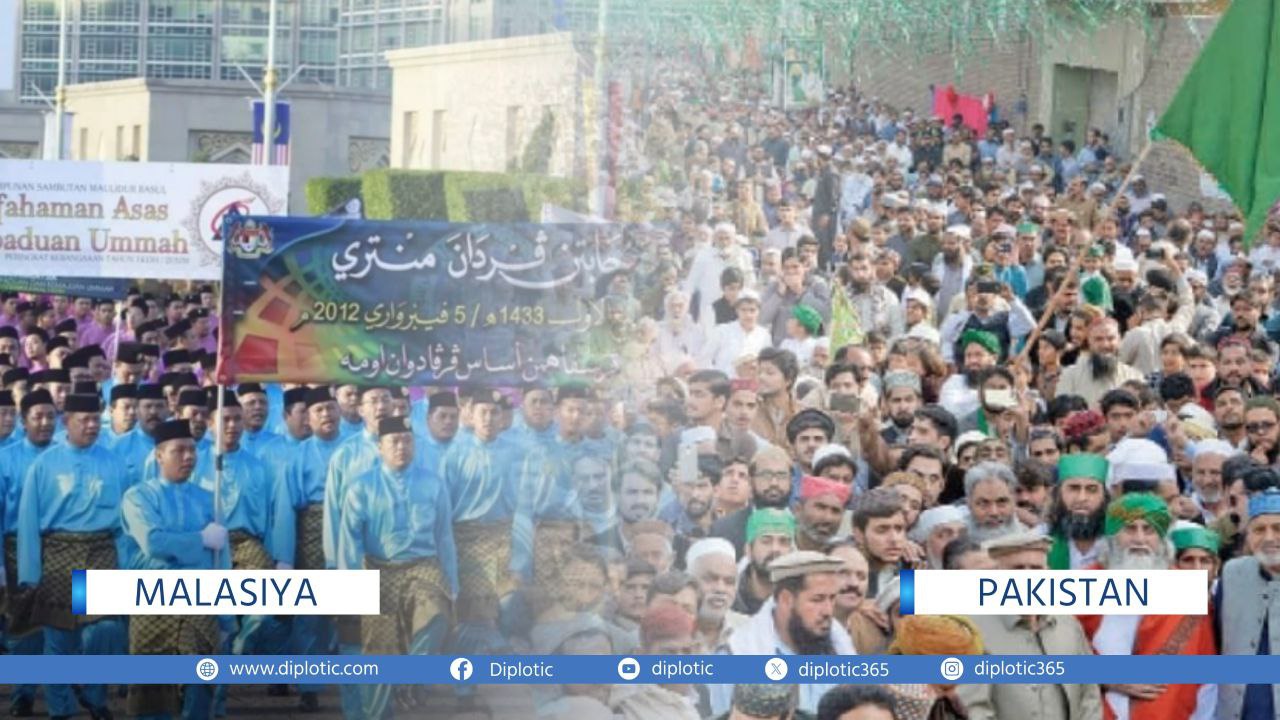
Pakistan observes Mawlid as a national holiday. Cities are illuminated with decorative lights, and processions called julus take place. Mosques host naat recitations, while food is distributed to the poor. Karachi and Lahore become particularly vibrant with green flags and glowing streets.
Malaysia
Known locally as Maulidur Rasul, Malaysia marks the day with public processions, Quran recitations, and speeches by scholars. Schools and government institutions often hold special programs. The national mosque in Kuala Lumpur hosts the largest gathering.
Turkey
In Turkey, Mawlid is observed with recitation of mevlid poems, most famously by Suleyman Celebi. Mosques are filled with Quran recitations, and families gather to remember the Prophet. It is not a public holiday but holds spiritual importance.
Algeria
Mawlid is a national holiday in Algeria. Homes are decorated, children wear new clothes, and families exchange sweets. Fireworks are common in some areas, adding a festive spirit to the occasion.
Morocco
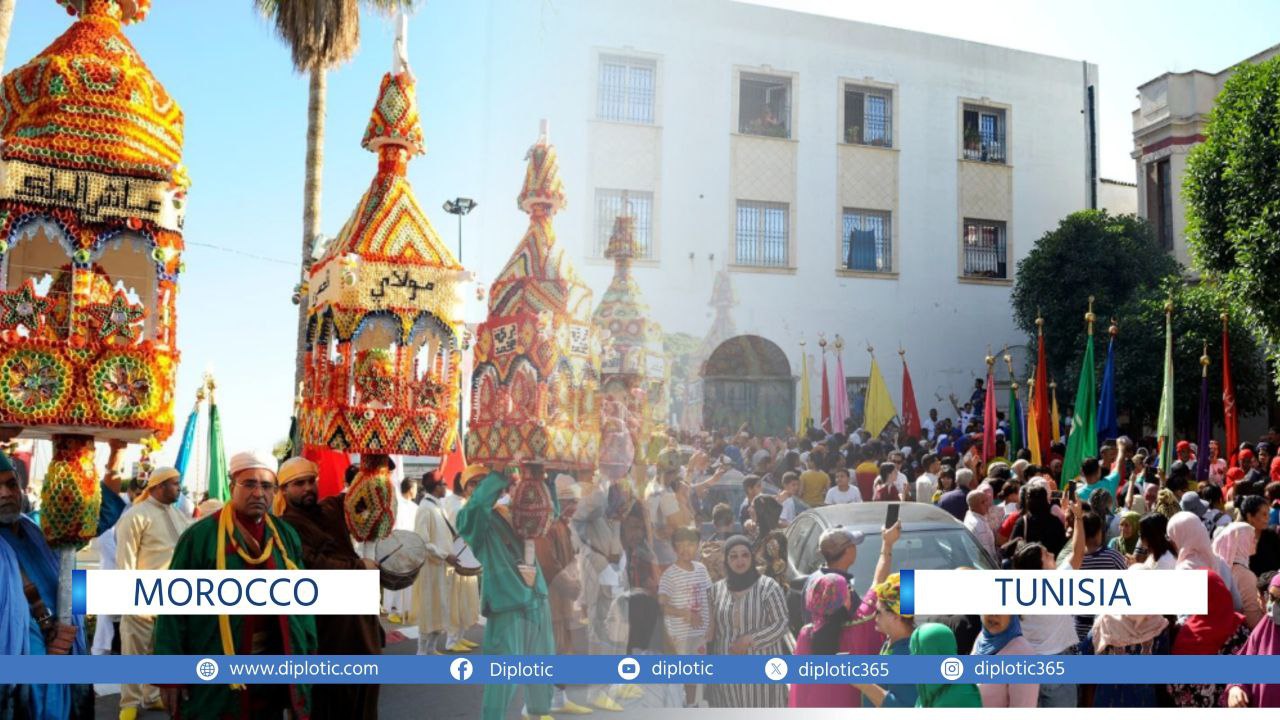
Morocco celebrates Mawlid with vibrant street decorations, Quranic recitations, and religious chants called madih. Families prepare special meals, and Sufi groups organize night-long gatherings. The city of Fez is especially known for its spiritual atmosphere during this time.
Tunisia
Tunisia celebrates with religious gatherings, Quran recitations, and distribution of traditional food like assidat zgougou. Mosques organize public sermons focusing on the Prophet’s life.
Sudan
In Sudan, Sufi orders lead colorful parades with drums and chants. People distribute food to the poor, and mosques remain filled with worshippers. Mawlid fairs, where sweets and traditional goods are sold, are a common feature.
Somalia
Somalia marks Mawlid with public gatherings, Quran recitations, and poetry praising the Prophet. Traditional dances and community feasts are also held in rural areas, combining religious devotion with cultural expressions.
Ethiopia
Ethiopian Muslims, particularly in Harar, organize processions, mosque gatherings, and dhikr sessions. Community meals are shared, and scholars deliver lectures about the Prophet’s teachings.
Jordan
Jordan observes Mawlid as a public holiday. Government officials, scholars, and community leaders deliver speeches, while mosques hold special prayer sessions. Streets and public buildings are decorated with lights and banners.
Palestine
In Jerusalem, the Al-Aqsa Mosque becomes the center of celebration. Muslims gather for Quran recitations, nasheeds, and community prayers. Cities across Palestine are decorated with flags and colorful lights.
Lebanon
In Lebanon, Mawlid is observed with religious lectures, qasidah recitations, and charitable activities. Sunni communities alike participate, often organizing communal meals and public events.
Syria
Before the war, Syria’s mosques and streets were brightly decorated during Mawlid. Damascus hosted large gatherings with Quran recitations and nasheeds. Even today, Syrians continue to observe the day with devotion, though celebrations are more subdued.
Yemen
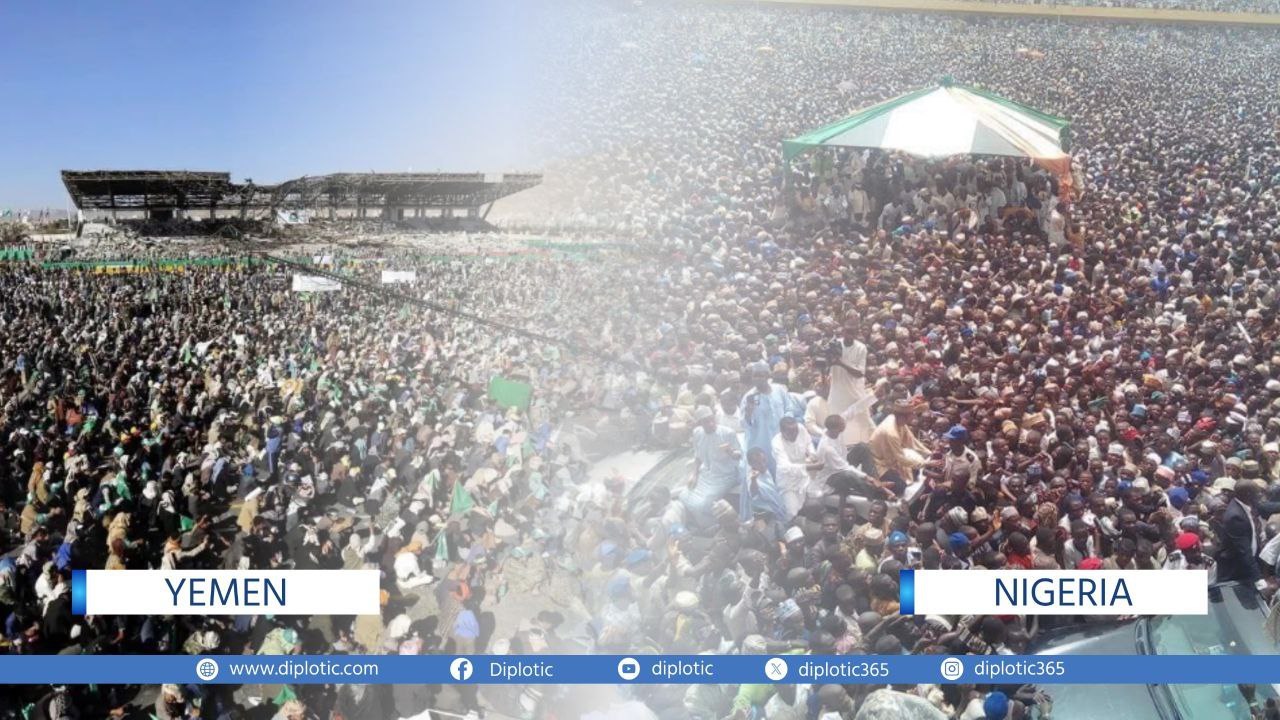
In Yemen, particularly in Sana’a, Mawlid is celebrated with large processions and illuminated streets. Religious lectures and communal meals are arranged, and people distribute food and sweets.
Nigeria
Nigeria celebrates Mawlid, especially in the northern states. Large public gatherings, processions, and lectures take place. In Kano, thousands join in processions carrying green flags and chanting praises of the Prophet.
Mauritania
Mauritania has a rich tradition of Mawlid celebrations, with week-long gatherings that include qasidah recitations, scholarly lectures, and communal meals. It is both a religious and cultural festival.
Brunei
Brunei celebrates Mawlid as a national holiday. A royal procession often takes place, with thousands participating in Quran recitations and lectures. The Sultan himself usually attends the grand event.
Maldives
In the Maldives, Mawlid is marked with mosque programs, Quran recitations, and public lectures. Though not extravagant, it remains an important spiritual day for the island nation.
Despite differences in scale and style, the essence of Mawlid al-Nabi remains the same, expressing love and reverence for the Prophet Muhammad (ﷺ). Whether through poetry in Turkey, parades in Pakistan, sweets in Egypt, or lectures in Indonesia, Muslims unite worldwide in remembering his mercy, teachings, and guidance.
Mawlid: A Global Celebration of Love or a Contested Innovation?
After examining Quranic verses, hadith evidence, and scholarly opinions, as well as the reality of global practices, it becomes clear that Mawlid is not a purely South Asian phenomenon. While Bangladesh, India, and Pakistan celebrate with processions, lights, and public gatherings, similar large-scale commemorations also take place in Egypt, Morocco, Sudan, Indonesia, Senegal, Turkey, Brunei, and many more. In fact, records show that at least 40–50 Muslim-majority countries observe Mawlid as a public holiday, each with its own cultural expression.
From the religious perspective, the core acts of Mawlid are Quran recitation, salawat, learning seerah, and giving charity. These are undeniably rooted in Sunnah. The debate arises over whether turning the Prophet’s birthday into a recurring “festival” counts as an innovation. Mainstream scholars such as Imam al-Suyuti and institutions like Al-Azhar affirm its permissibility if observed within Islamic guidelines, while others caution against excesses.
The investigation shows that Mawlid’s essence lies not in rituals or pageantry, but in reviving love for the Prophet ﷺ and spreading his teachings. When celebrated with sincerity, knowledge, and lawful practices, it serves as a powerful reminder of the mercy, compassion, and guidance that the Prophet brought to humanity.