Opening: A State on Edge and a Community Under Pressure
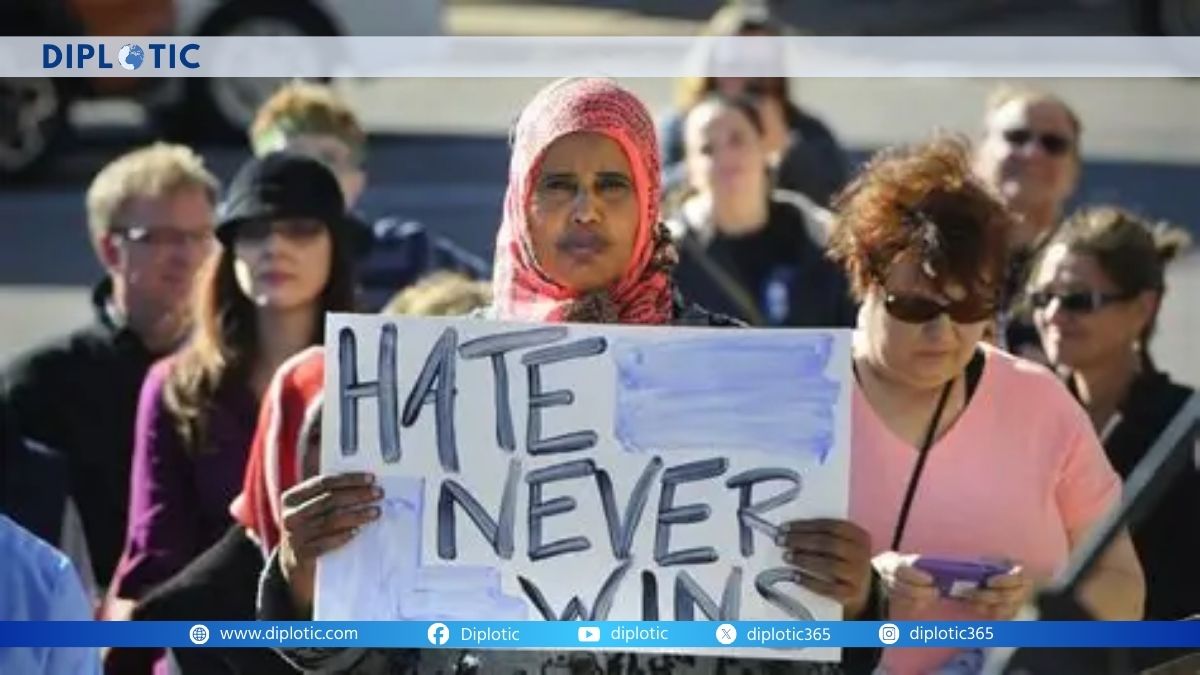
The protest outside the Minneapolis–Saint Paul International Airport did not come out of nowhere. It grew from fear, anger, and deep confusion about why an entire community once again stands at the center of a political storm. Minnesota is home to the United States’ largest Somali population, a group that has lived, worked, and grown roots here for decades. Yet the reaction to a recent shooting in Washington, D.C.—a shooting with no Somali link at all—has triggered a renewed wave of federal scrutiny, public tensions, and emotional rallies across the state. The situation feels familiar, with echoes of past moments when single events were used to justify wide, collective punishment. But this time, the sense of uncertainty is stronger, and the stakes feel higher. The investigative question at the heart of this story is simple but urgent: why is Minnesota’s Somali community facing such targeted political heat again, and what might this moment mean for the state and the country?
1. What Sparked the New Wave of Tension? A Single Crime and a National Panic
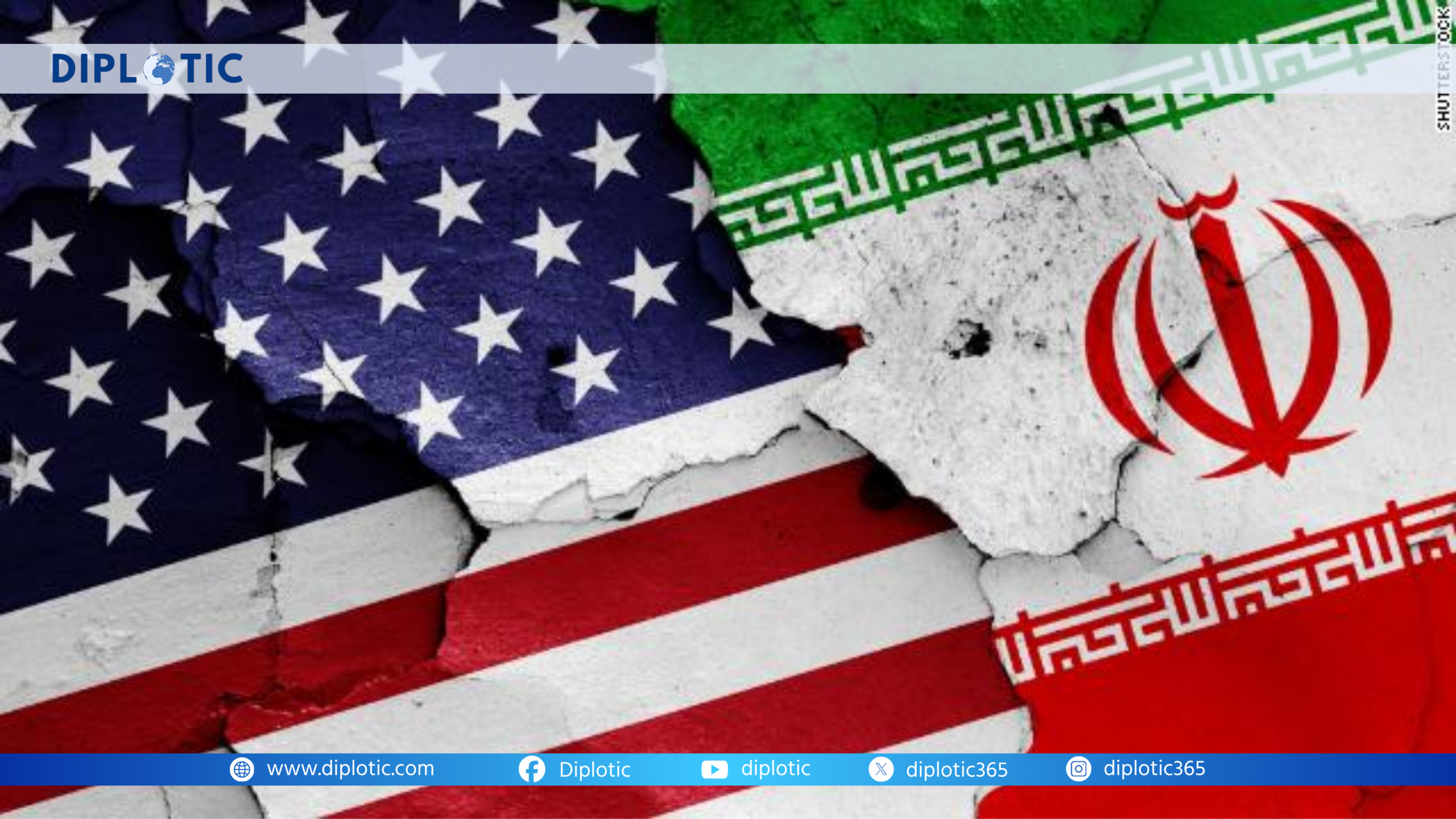
The trigger behind the current dispute was the Nov. 26 shooting in Washington, D.C., which killed a young National Guard specialist and left another soldier in critical condition. The suspect was an Afghan national who came to the U.S. through a resettlement program designed for individuals who assisted American agencies in Afghanistan. His background made the story complex, but the political reaction was swift and much broader than the facts. Instead of narrowing attention to the individual or the specific gaps in vetting, the focus expanded to entire immigrant groups. The discourse turned into a debate about which nationalities pose risks, despite the absence of any evidence connecting the attack to Somali Americans.
This disconnect between the event and the political reaction is what experts describe as a classic pattern: a single crime becomes a catalyst for sweeping actions that affect unrelated groups. The Department of Homeland Security announced that green cards issued to people from 19 countries would be reexamined, with Somalia prominently listed. Unconfirmed rumors spread about a possible new ICE operation in Minnesota. For Somali families in the Minneapolis–Saint Paul region, daily life shifted quickly into one of caution and fear.
Historically, such escalations tend to repeat after security incidents. During earlier periods of political tension, including the mid-2010s, similar waves of suspicion fell on Somali Americans, despite studies showing they largely engage in work, education, and community life like any other group in the state. The problem is not that authorities investigate risks—every government does that—but that public messaging often paints whole communities with one brush. Through this lens, the current situation is not new but part of a wider pattern in which fear outpaces evidence.
What makes this moment particularly charged is the gap between official statements and lived reality. While political leaders speak of threats and “countries of concern,” Minnesota remains a place where tens of thousands of Somali immigrants have built businesses, entered public service, and raised families. The tension lies in the contrast: daily contributions on one side, sweeping accusations on the other. And this tension sets the stage for the next layer of the story.
2. Why Is Minnesota at the Center Again? Historical Layers Behind Today’s Conflict
Minnesota’s Somali community is both large and highly visible. With around 84,000 people of Somali descent, according to recent Census data, it is a significant presence in the state’s cultural and economic life. This visibility has brought both pride and political strain. Over the past decade, national debates around immigration have repeatedly targeted Minnesota as a symbolic battleground. Some politicians frame the community as a threat, while others defend it as a model of successful settlement. These conflicting narratives have layered over time, creating a situation in which any national controversy connected to immigration seems to spotlight Minnesota first.
Part of the tension comes from earlier claims by federal leaders that linked Somali Americans to fraud schemes involving public programs. High-profile cases, such as the Feeding Our Future scandal, involved individuals who happened to be Somali, but public rhetoric sometimes blurred the line between individual wrongdoing and collective guilt. Federal prosecutors themselves made clear that the fraud cases did not represent an entire community, yet the political narratives often suggested otherwise. This created a climate in which any Somali-related headline, regardless of scale, could feed into wider stereotypes.
Another element of pressure stems from Minnesota’s political importance. As a state with active civic engagement, strong immigrant communities, and a history of progressive policies, it often becomes a symbolic testing ground for national debates. When leaders comment on immigration, Minnesota becomes an easy stage on which to project their arguments. This turns local communities into national talking points, even when events elsewhere have no connection to them.
The repeated targeting raises deeper questions about how national security issues are framed. When leaders cite an entire nationality as a “problem,” it shifts public attention from actual data to broad generalizations. Somali Americans in Minnesota include healthcare workers, teachers, business owners, and students. They are deeply embedded in the state’s labor force and culture. Yet their long-standing presence can be overshadowed by political claims that treat them as outsiders. This contrast between reality and rhetoric is what fuels today’s unrest, and it explains why protests emerged so quickly.
3. How Are Somali Minnesotans Responding? Fear, Unity, and Public Pushback
The protest near the Minneapolis–Saint Paul airport acted as an early public signal of worry. Signs like “Stop deporting our neighbors” and “This is our country, not his” spoke to a deeper truth: many in the community feel that their place in America is again being questioned. For individuals who have lived in the state for decades, the sudden shift from normalcy to fear is difficult to understand. This sentiment was voiced by community members who said they feel deeply hurt and unsettled by the rhetoric coming from federal leaders.
Yet the fear is paired with visible solidarity. Labor unions joined the protests, arguing that immigrant workers are essential to the state’s economy and deserve protection from political targeting. Religious leaders led public prayers. Local officials, including the governor and several members of Congress, issued statements pushing back against broad accusations. These reactions show that Minnesota continues to be a state where institutions respond quickly when one community is singled out. This level of civic support is notable and stands in contrast to the national tone.
Still, the anxiety is real. Rumors about immigration raids, even when unverified, spread quickly through tight-knit communities. Families worry about disruptions to daily life, school attendance, and job security. Many fear that public statements labeling Somalis as “garbage” or blaming them for “destroying” the state could open the door to hostility or discrimination on the ground. Some describe avoiding public places or limiting travel until the political mood settles.
At the same time, this moment is also producing a renewed sense of unity within the community. Local organizations are hosting forums, legal workshops, and mental health sessions. Elders are advising younger members to remain calm but alert. Youth groups are using educational events to counter misinformation and strengthen communal ties. These responses show resilience shaped by years of facing political pressure, suggesting that the community is not simply reacting but organizing.
4. What Does This Moment Reveal About the Bigger National Picture?
The current wave of tension in Minnesota is not only about one state or one community—it exposes a broader national trend in how immigration debates unfold. When political leaders rely on sweeping generalizations, public fear spreads faster than evidence-based analysis. This environment makes it easier for misinformation to circulate and harder for communities to trust official processes. The Minnesota case illustrates the risks of tying national security responses to broad categories rather than specific facts.
It also shows how political messaging can reshape local realities. When leaders describe an entire nationality as harmful, the consequences ripple outward. It affects hiring practices, school environments, and even interpersonal interactions. In Minnesota, where Somali immigrants have long been a part of the social fabric, rhetoric that paints them as outsiders disrupts the community’s sense of belonging and undermines years of integration.
Finally, this moment reconnects to a larger historical pattern: immigrant communities often face cycles of suspicion during periods of national anxiety. Over time, many of these groups become accepted as part of the American mainstream. The question now is whether Minnesota’s Somali community is on the brink of another difficult period or at the start of a shift toward deeper recognition and inclusion. The future will depend heavily on how leaders choose their words and how communities respond.
Conclusion: A Community at the Crossroads of Politics and Identity
As Minnesota navigates this tense moment, the deeper question is not only about immigration policy but about national identity. The protests, statements from officials, and community responses all point to a struggle over who gets to define belonging in America. The Somali community in Minnesota has lived through similar cycles before, but this one feels sharper because of the national atmosphere. The coming months will show whether the state can push back against broad accusations and return to evidence-based policy discussions. In the end, Minnesota’s story may offer a wider lesson: that communities built over decades cannot be undone by a single moment of political pressure, and that the path toward unity requires careful, responsible leadership grounded in facts rather than fear.