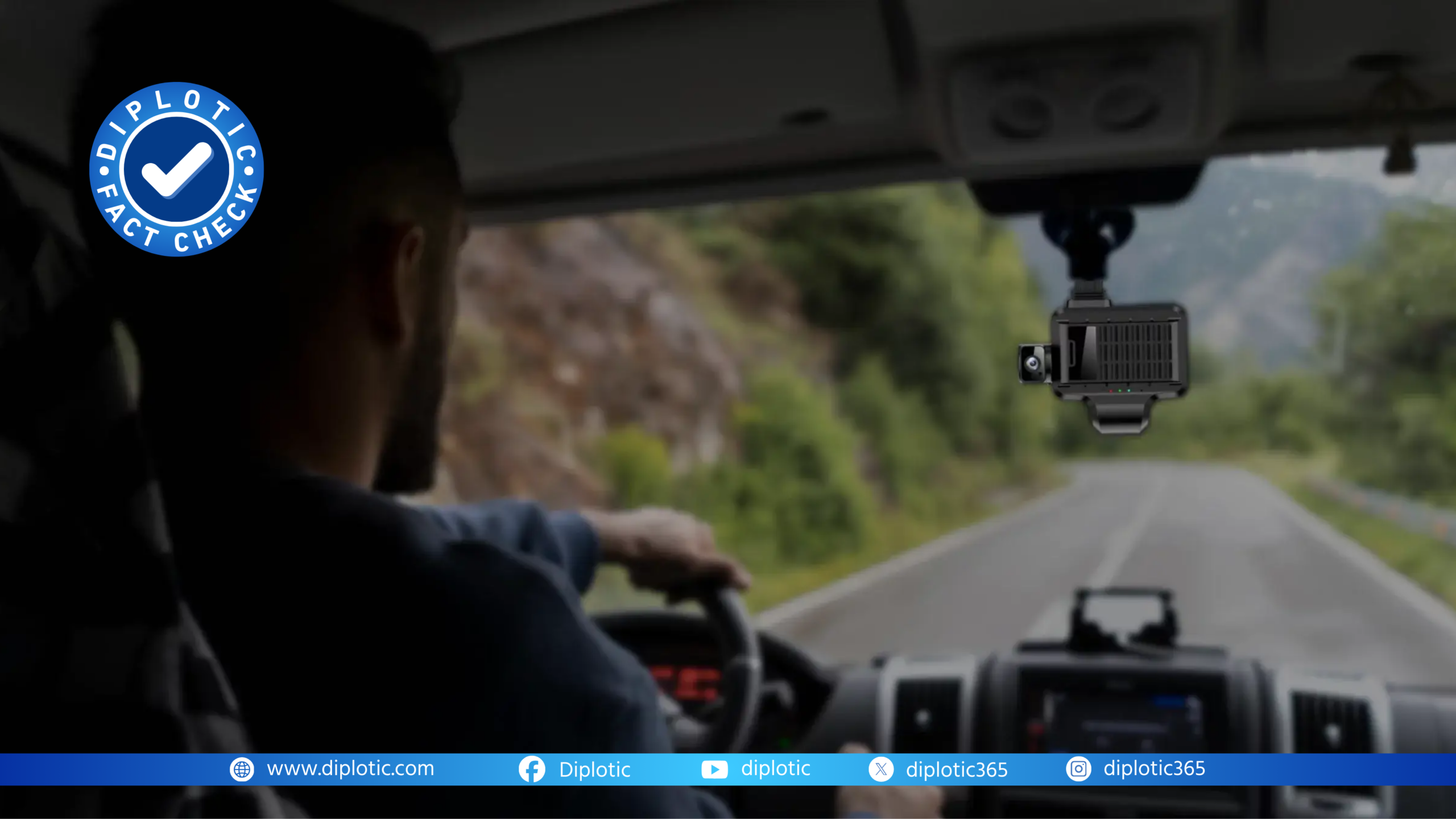
Reliance Jio launched the JioEyeQ Dashcam in late February 2026, positioning it as an affordable, feature-rich device for Indian drivers. Priced at around ₹3,499 (introductory, with a 32GB microSD included), it includes Full HD 2MP recording, 140° ultra-wide field of view, built-in GPS for route and speed logging, AI-powered pedestrian detection, night vision, emergency collision recording, and Wi-Fi connectivity via JioThings for app access. Social media and promotional content quickly amplified claims that it “completely ends road accidents” or represents a revolutionary safety breakthrough, often highlighting its real-time alerts, smart detection, and integration with Jio’s network.
This narrative resonates in India, where road fatalities exceed 150,000 annually (per government data), and dashcams are gaining traction for evidence in disputes, insurance claims, and deterrence. Viral posts suggest the device’s AI and alerts could prevent collisions outright. This investigation reviews the product’s actual capabilities against evidence on dashcam effectiveness to separate innovation from exaggeration.
Claim 1: The JioEyeQ Dashcam is a game-changer that will completely end or drastically reduce road accidents.
Evaluation: The device offers valuable safety features: AI pedestrian detection warns of potential collisions, emergency recording captures incidents automatically, GPS tracks routes/speed, and night vision improves low-light clarity. These can aid awareness and provide post-event evidence. However, no dashcam—regardless of AI—eliminates accidents. Crashes stem from human error (speeding, distraction, impairment), road conditions, vehicle factors, and enforcement gaps. Studies (e.g., Virginia Tech Transportation Institute, Lytx fleet data) show dashcams with feedback reduce risky behaviors by 20–50% and crash costs significantly in commercial settings, but consumer-level reductions are smaller (often 10–30% in self-reported caution). No peer-reviewed evidence suggests any dashcam ends accidents entirely; they mitigate severity or aid resolution.
Verdict: False. It enhances safety through alerts and evidence but cannot “completely end” accidents.
Claim 2: JioEyeQ’s AI pedestrian detection and collision alerts make it superior to existing dashcams for preventing crashes.
Evaluation: AI pedestrian detection and collision warnings are useful additions, alerting drivers to hazards in real time. Similar features exist in higher-end dashcams (e.g., Garmin, Thinkware) and built-in ADAS in modern vehicles. While proactive alerts can prompt braking or evasion, effectiveness depends on driver response time and conditions—alerts do not override human reaction limits. Fleet studies show video telematics (with alerts/feedback) cut preventable incidents by up to 30–50%, but consumer dashcams lack mandatory coaching loops. JioEyeQ’s edge lies in affordability and Jio integration (app access, potential network alerts), not unique prevention power.
Verdict: Misleading. The AI features are valuable but not revolutionary; they align with existing tech rather than surpassing it in crash prevention.
Claim 3: Dashcams like JioEyeQ provide strong evidence that they reduce insurance claims and accident severity.
Evaluation: Evidence supports dashcams’ post-crash value: footage resolves fault disputes, deters fraud (studies show 15–27% drop in disputed claims), and can lower premiums in some cases (e.g., 40% of fleets report reductions). In India, dashcam clips increasingly aid insurance and police cases. However, prevention is indirect—via deterrence (knowing recording exists) and behavior change. Consumer studies show modest risk reduction; the strongest impacts occur in fleets with coaching. JioEyeQ’s emergency recording and GPS add evidentiary strength, but no data yet exists on its specific impact.
Verdict: Mostly True as context. Dashcams reduce claims costs and aid resolution; prevention is secondary and variable.
Claim 4: Online claims that JioEyeQ will “end road accidents” are realistic given its advanced features.
Evaluation: Viral posts often exaggerate by focusing on AI alerts and recording without caveats. No device eliminates human factors—distraction, speeding, poor visibility—that cause most crashes. Global safety bodies (WHO, IIHS) emphasize multi-layered approaches: enforcement, infrastructure, education, vehicle standards—not single gadgets. JioEyeQ’s specs are solid for its price but standard in the category; claims of ending accidents ignore these realities.
Verdict: False. Such absolute statements overstate capabilities; dashcams support safety but do not eradicate accidents.
Claim 5: Regardless of exaggeration, affordable dashcams like JioEyeQ contribute meaningfully to road safety in India.
Evaluation: At ₹3,499 with GPS, AI detection, and recording, JioEyeQ lowers barriers to adoption in a high-accident country. Widespread use could increase evidence availability, deter reckless driving, and support insurance/claims processes. The principle at stake is accessibility: budget-friendly tools democratize safety tech, potentially shifting norms over time even if individual impact varies.
Verdict: True. It advances accessible safety tech, offering real benefits despite not being a complete solution.
Conclusion: Useful Safety Tool, Not Accident Eliminator
The JioEyeQ Dashcam brings credible features—Full HD recording, GPS tracking, AI pedestrian detection, night vision, and emergency alerts—at an accessible price, making it a practical addition for Indian drivers. It strengthens evidence in disputes, may deter risky behavior through recording awareness, and aligns with growing dashcam adoption.
However, claims that it “completely ends road accidents” are unfounded. Dashcams reduce risky events and claim costs in studies (often 20–50% in fleets, less for individuals), but they cannot override core crash causes like human error or infrastructure gaps. JioEyeQ innovates in affordability and connectivity but fits within established dashcam capabilities—not beyond them.
The real value lies in incremental safety gains: better awareness, stronger post-incident proof, and broader access. For drivers, it offers worthwhile protection without magical guarantees. Accurate expectations—viewing it as a helpful tool, not a panacea—ensure realistic benefits rather than disappointment from overhyped promises. In India’s challenging roads, every layer of prevention counts, and JioEyeQ meaningfully adds one.