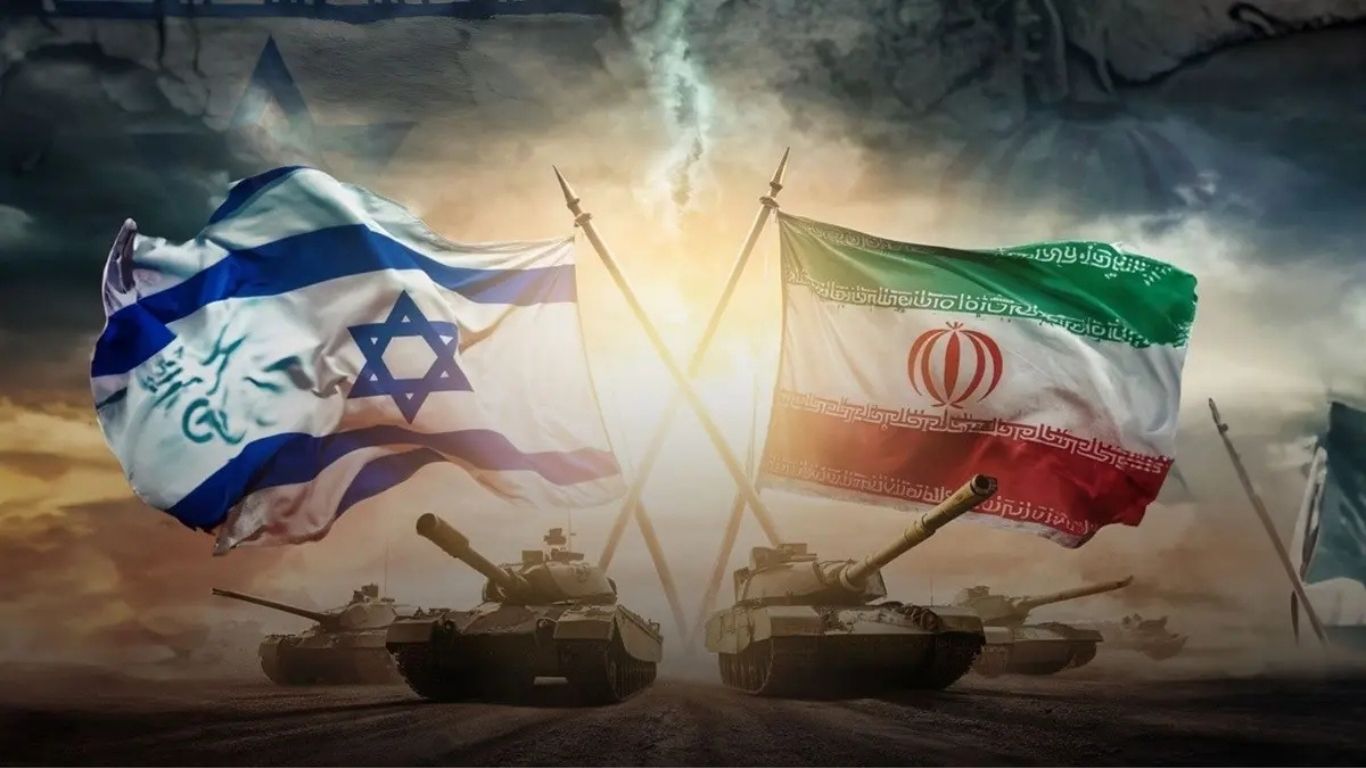
The Middle East stands on the edge of a dangerous precipice as Israel and Iran continue to trade deadly blows for a fifth consecutive day, defying global calls for restraint and pushing the region closer to full-scale war.
In the early hours of Tuesday, Israel launched what it described as “extensive strikes” across western Iran, targeting missile sites and drone facilities. Dozens of explosions echoed across Iranian cities, with the northwestern city of Tabriz home to a key air force base rocked by blasts. Iran’s state-affiliated Nour News reported at least three deaths in the central city of Kashan, with several more wounded, and a residential building in Tehran was struck, triggering a frantic rescue effort.
Explosions Over Israel’s Heartland
The situation has escalated to a point not seen in years. Iran fired a fresh barrage of missiles toward Israeli territory, prompting air raid sirens across Tel Aviv, Jerusalem, and other cities. Explosions and rising plumes of smoke were reported in Herzliya, a city known to house strategic military and intelligence assets.
While Israel has imposed a tight media blackout on damage reports prompted by military censors unconfirmed claims from Iran’s Revolutionary Guard Corps (IRGC) suggest they targeted Israeli intelligence headquarters, including Mossad and military intelligence (Aman) buildings in Herzliya.
Israel’s national emergency services said 10 people were injured while fleeing to shelters.
Another Iranian General Reportedly Assassinated
In a stunning development, Israel claims it has assassinated another top Iranian commander General Ali Shadmani in a strike in central Tehran. Described as the wartime Chief of Staff and one of the closest military advisers to Supreme Leader Ayatollah Ali Khamenei, Shadmani’s killing marks yet another high-profile blow to Iran’s military leadership, following the assassination of General Gholam Ali Rashid just days ago.
Iran has not confirmed Shadmani’s death.
Trump Calls for Tehran Evacuation
As the international community urges both nations to step back, former U.S. President Donald Trump struck a more provocative tone. Posting overnight on social media, Trump called for the “immediate evacuation of Tehran,” warning of mass casualties and doubling down on his long-held belief that Iran must never obtain nuclear weapons.
Trump’s abrupt exit from the G7 Summit in Canada sparked speculation that he was rushing home to broker a truce. But in a characteristically blunt denial, he wrote: “Wrong! [French President] Macron has no idea why I am now on my way to Washington… Much bigger than that.”
Despite Trump’s statement, G7 leaders issued a joint communiqué condemning Iran as “the principal source of regional instability and terror,” while affirming Israel’s right to self-defense.
The Fear of a Broader War
Analysts warn that if either side continues to escalate, the fallout could draw in regional allies and ignite a wider, potentially uncontrollable war across the Middle East. Already, global markets are jittery, and oil prices have surged in anticipation of further instability.
While Israel insists its strikes are necessary to derail Iran’s alleged nuclear ambitions, Iran shows no signs of backing down, unleashing hundreds of missiles and drones in what it frames as legitimate retaliation.
What’s Next?
As the fifth day of hostilities comes to a close, both nations appear locked in a deadly game of brinkmanship with no diplomatic off-ramp in sight. With regional and global stakes higher than ever, the world watches anxiously for signs of de-escalation or a catastrophic descent into war.