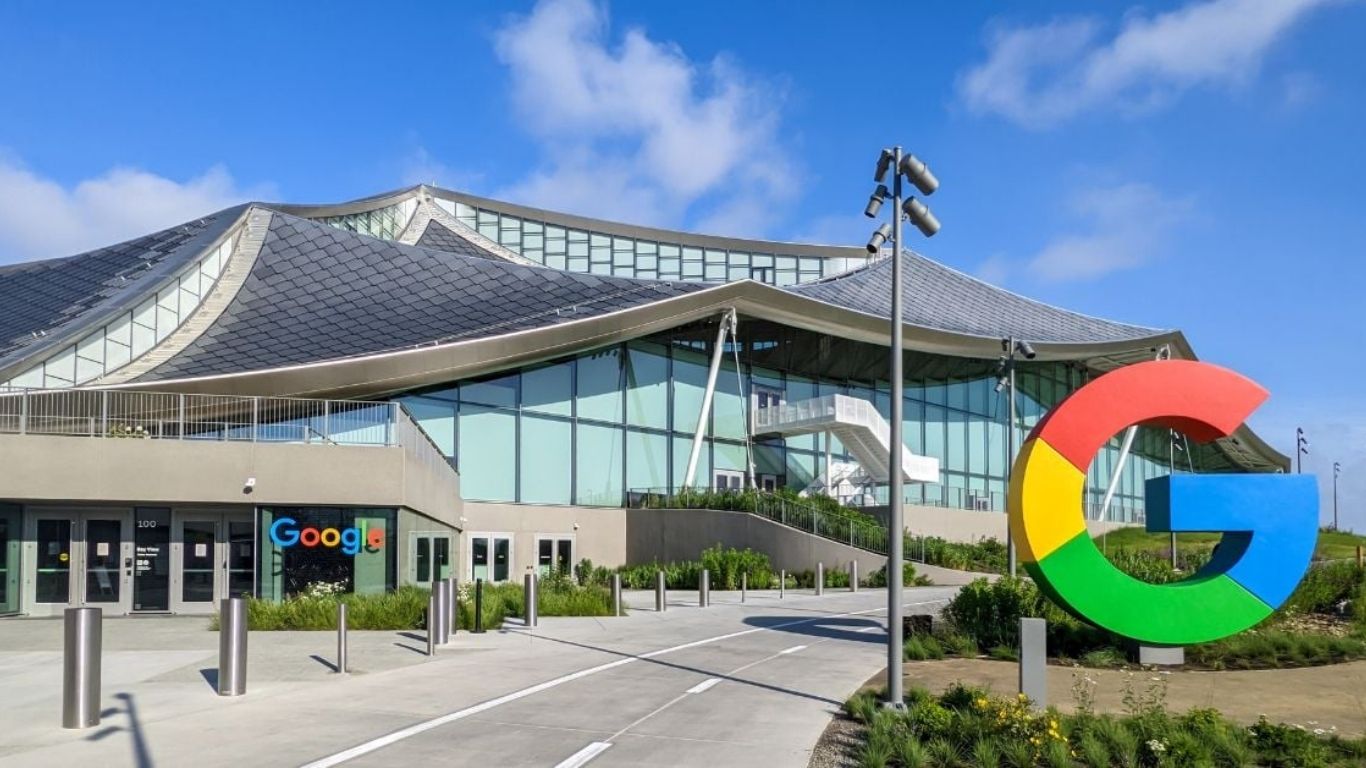
The legal battle between Donald Trump and Google’s YouTube is entering a decisive stage. Reports suggest that both parties are now engaged in “productive discussions” that could lead to an out-of-court settlement, echoing Meta’s earlier $25 million resolution with the former U.S. President.
This case is more than a private dispute between a political figure and a tech giant. It represents a flashpoint in the debate over free speech, content moderation, and corporate power in U.S. democracy.
Why Trump Sued Google
Trump’s lawsuit against Google stems from his permanent YouTube ban following the January 6, 2021, Capitol attack. YouTube argued that his account posed a risk of inciting further violence, while Trump insisted the ban violated his free speech rights and represented political bias.
The case has lingered in federal court, but recent filings indicate both sides are working toward a resolution. Lawyers for Trump and Google have asked the judge to delay the case management conference until November 10, 2025, with a joint case statement due November 3. This timeline suggests a deal could be in the works.
Meta’s Settlement as a Blueprint
The negotiations closely follow Meta’s earlier settlement with Trump. In that case, Meta agreed to pay $25 million:
- $22 million for Trump’s presidential library.
- $3 million for legal and administrative costs.
For Meta CEO Mark Zuckerberg, the payout was a strategic decision. It prevented a protracted legal fight, reduced political heat, and avoided the risk of a precedent-setting ruling on platform bans.
Observers believe Google may adopt a similar strategy. A settlement could cost millions but would shield YouTube from a potentially disruptive judicial decision on how platforms govern political speech.
Elizabeth Warren Sounds the Alarm
Not everyone is comfortable with the prospect of another corporate settlement. Senator Elizabeth Warren has been vocal about the risks, warning that such deals may signal undue corporate influence over democratic institutions.
Her concern is that settlements blur the line between accountability and appeasement. If political figures can use lawsuits to pressure companies into reversing bans, the integrity of content moderation could be fatally undermined.
For Warren and other critics, the stakes are clear: content moderation should be based on transparent policies, not political bargaining power.
What’s at Stake for Google
For Google, the risks of a court ruling are significant. If a judge were to decide that Trump’s ban was unlawful, it could establish a precedent restricting how platforms handle political speech. That could expose Google and other tech companies to lawsuits from countless users claiming unfair treatment.
A settlement avoids that danger. By quietly paying to resolve the case, Google can protect its moderation framework, keep decisions in private hands, and sidestep unpredictable legal outcomes.
But there’s a tradeoff. Critics argue that settling looks like conceding to political pressure, raising doubts about YouTube’s ability to enforce its policies consistently.
Settlement vs. Content Governance
The heart of this dispute lies in the balance between free speech and platform responsibility. On one hand, Trump and his supporters argue that bans from platforms like YouTube, Facebook, and Twitter amount to censorship. On the other hand, tech companies maintain that they must act to prevent harm, especially when political rhetoric crosses into incitement.
A settlement offers a pragmatic solution for Google avoiding a headline-grabbing trial and the risk of an unfavorable ruling. But it raises difficult questions:
- Does money replace accountability?
- Will future bans be challenged through lawsuits rather than policy appeals?
- Does this set a precedent where rules apply differently to powerful political figures than to ordinary users?
The Bigger Picture: Tech Giants, Politics, and Power
This case also highlights a broader trend: the increasing entanglement of U.S. politics and Big Tech. Social platforms are not neutral tools; they shape political discourse, influence elections, and manage billions of interactions daily.
When figures like Trump clash with these platforms, the results ripple across society. Every settlement or ruling becomes a benchmark for how free expression and digital governance will coexist in the 21st century.
The outcome of Trump’s lawsuit against Google will also impact other ongoing disputes, including cases over content moderation, platform liability, and algorithmic bias.
Final Thoughts
The Trump vs. YouTube case is more than a legal skirmish. It is a test of how far corporate power can go in shaping public discourse, and whether political pressure can bend the rules of online governance.
If Google chooses to follow Meta’s path and settle, it will avoid courtroom risks but may pay a reputational price. Critics like Senator Warren warn that settlements erode democratic norms, turning moderation into a negotiation instead of a principle.
Yet from Google’s perspective, a settlement may be the only way to protect its authority over content moderation and prevent courts from dictating its policies.
The real question is not whether Trump wins compensation, but whether this moment signals a shift in how democracy, technology, and accountability interact. The future of digital speech depends on the answers.