The intensifying conflict between Iran and Israel has transformed decades of proxy warfare into direct military confrontation, forcing Iran to navigate a complex array of military, economic, and diplomatic options. After three days of Israeli attacks that have killed over 240 Iranians, including military leaders, Tehran has retaliated with significant missile barrages, showcasing its advanced capabilities while seeking to avoid a broader regional conflagration.
Iran’s Military Capabilities and Strategic Calculus
Iran possesses the Middle East’s largest missile program, boasting thousands of ballistic missiles with varying ranges and speeds. This formidable arsenal allows Iran to sustain its offensive against Israel for potentially several weeks.
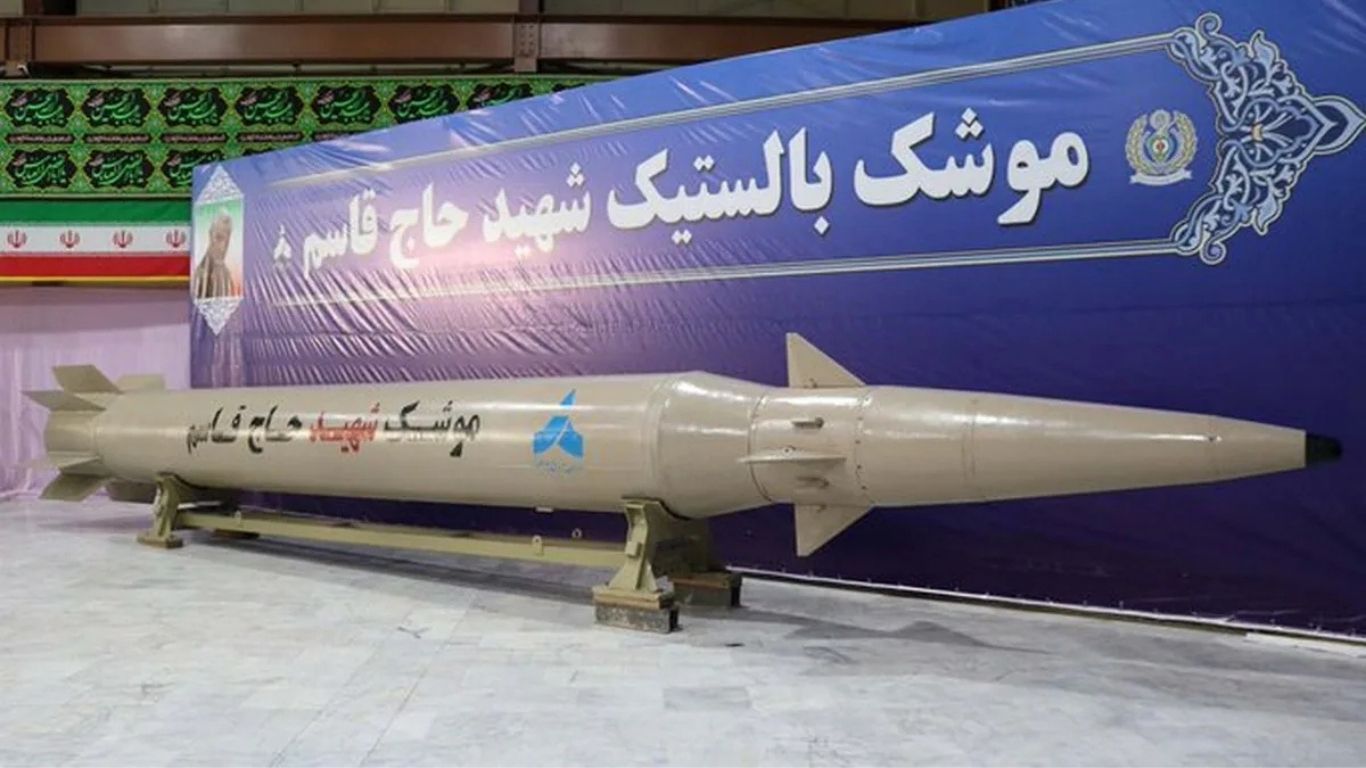
Advanced Missile Technology: Iran has demonstrated the effectiveness of its sophisticated missile technology, notably with the Haj Qassem missile, which was deployed for the first time against Israel. This missile successfully bypassed Israeli air defenses, including the Iron Dome, and caused substantial damage in major Israeli cities such as Tel Aviv and Haifa, exhibiting enhanced power and speed compared to older models. While Iran does not have an unlimited supply of these advanced missiles and must ration their use, its inventory of standard missiles and thousands of drones provides sufficient military capability to inflict damage on Israel. Iranian missiles have also reportedly targeted civilian areas in Israel, causing casualties.
Avoiding US Intervention: A critical aspect of Iran’s strategy is to avoid direct engagement with the United States. President Donald Trump has emphasized that the US is not a direct party to the conflict but has threatened severe consequences should Iran target US interests, including military bases across the Middle East. Supreme Leader Ayatollah Ali Khamenei’s cautious approach aims to prevent a direct confrontation with the US or provide Washington with a pretext to join Israel’s offensive might. A joint Israeli-US strike could devastate Iran’s most secure nuclear facilities, such as the heavily fortified Fordow site, which requires specialized bunker-buster munitions possessed solely by the US. Furthermore, Iran seeks to avoid involving countries like Kuwait, Qatar, Saudi Arabia, and Turkey, which host US bases but are not direct adversaries and serve as potential mediators.
Economic and Diplomatic Leverage
Beyond military action, Iran holds significant economic and diplomatic cards to influence the conflict’s trajectory.
Strait of Hormuz Threat: Iran has repeatedly threatened to close the Strait of Hormuz, a vital maritime chokepoint through which millions of barrels of oil transit daily. Such a closure would immediately halt oil flows, potentially driving global oil prices above $100 per barrel. This move represents a potent, short-term leverage point for Iran should the fighting continue.
Seeking Diplomatic Off-Ramps: Despite the intense hostilities, Iran has signaled a willingness to de-escalate. Iran’s Foreign Minister Abbas Araghchi stated that Tehran would reciprocate if Israel halts its attacks and is open to returning to nuclear talks with the US. An American-brokered agreement is considered the most likely path for Iran to restrain Israel and end the conflict. However, Iran harbors distrust towards the US, citing alleged American deception prior to Israel’s initial attack.
Challenges and Future Implications
The current conflict is a watershed moment, shifting from prolonged proxy warfare to direct military engagement. While Iran demonstrates its capacity to inflict damage, questions remain about its ability to sustain the fight indefinitely, given its finite supply of advanced munitions. Conversely, US support provides Israel with an easier means to replenish its munition stocks.
The “Operation Rising Lion” initiated by Israel on June 13, 2025, specifically targeted Iran’s nuclear facilities, including the Natanz enrichment plant, and military infrastructure, aiming to destroy Iran’s nuclear and military capabilities. This escalation highlights Israel’s long-standing concerns regarding Iran’s nuclear ambitions and missile stockpiles. The conflict has resulted in casualties on both sides, with Israel intensifying its efforts to destroy Iranian capabilities and Iran responding with massive barrages.
Ultimately, an Israeli source indicated that the conflict’s resolution would be “diplomatic, not military,” suggesting a potential for de-escalation through negotiation. However, the complex political dynamics within the US regarding military involvement and the suspension of nuclear negotiations complicate the path toward a peaceful resolution, narrowing the window for diplomatic intervention and increasing the risk of broader regional conflict and potential nuclear proliferation.