

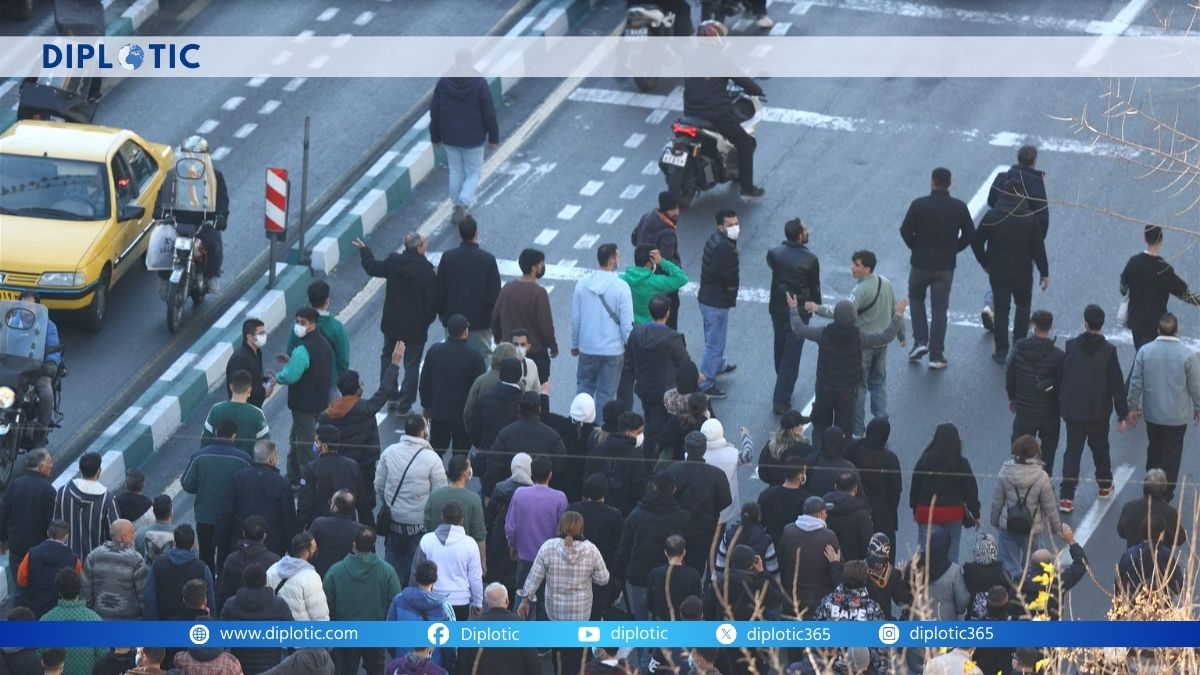
On January 1, 2026, Iran faced its fifth day of nationwide protests over severe economic hardship, with reports of deadly clashes marking a sharp escalation. State-affiliated media confirmed at least two deaths in the southwestern city of Lordegan, where security forces reportedly used live ammunition against demonstrators. Rights groups and witnesses described scenes of chaos, with gunfire echoing through streets as crowds demanded relief from soaring prices and a collapsing currency. Videos circulating online showed people running from tear gas and carrying injured protesters, while unverified images suggested wounds from bullets and pellets. An eyewitness called the situation a battlefield, with forces firing without restraint. The protests, the largest in three years, began in Tehran over the rial’s plunge to record lows—reaching around 1,350,000 to the dollar in open markets—and quickly spread to multiple cities, including Isfahan and Kuhdasht. Chants shifted from economic justice to calls for regime change, raising concerns about further violence. As human rights organizations warned of a brutal crackdown, questions grew about whether these outbursts reflect deeper discontent or could lead to broader unrest in a country already strained by sanctions and regional tensions.
What Sparked the Wave of Protests Across Iran?
The protests erupted on December 28, 2025, when shopkeepers in Tehran’s grand bazaar shut down in anger over the Iranian rial’s sharp decline, which drove up costs for essentials like food and fuel. Inflation hovered near 40 percent, and many families fell below poverty lines amid mismanagement, corruption, and ongoing Western sanctions. The currency crisis worsened after regional conflicts, including setbacks for Iran’s allies, and renewed pressures on its nuclear program. Demonstrations spread rapidly as merchants, students, and workers joined, closing markets and universities in solidarity.
In Lordegan, a city with a history of unrest, clashes turned fatal on January 1. State media described protesters as armed and reported deaths during confrontations, while rights groups like Hengaw said security forces fired directly at crowds, killing at least two young people. An Iranian wrestler from the area, living abroad, appealed for global attention, calling the regime an enemy to its people. Parallel reports mentioned possible deaths in other provinces, though figures varied between official and activist sources.
Different angles highlight economic desperation: policies prioritizing foreign adventures over domestic needs left citizens hopeless for improvement. No legal space exists for anti-government protests, leading to rapid suppression. Related factors include power shortages and price hikes that hit ordinary lives hard. Curiosity arises over government response—offers of dialogue with unions contrasted with force deployment. Broader context ties to 2025’s challenges, like energy deficits and international isolation, showing how small triggers can ignite widespread anger in a population weary of promises unkept.
How Are Security Forces Responding to the Demonstrations?
Security forces have met protests with a mix of crowd control and lethal measures, escalating tensions on the fifth day. Tear gas, arrests, and gunfire dispersed gatherings, particularly in Lordegan, where state media confirmed fatalities but blamed armed elements. Witnesses and videos suggested direct shooting at unarmed crowds, with injured carried away amid smoke-filled streets. Rights activists warned of an ongoing crackdown, noting patterns of merciless response to dissent.
Government outlets portrayed some protesters as rioters damaging banks or buildings, justifying force. Yet human rights monitors emphasized disproportionate actions, including live ammunition against demands for better living conditions. In other cities, bazaars closed voluntarily, and students rallied, but force focused on hotspots.
Parallel insights reveal a strategy to contain spread: declaring holidays, deploying riot police, and limiting reports. Different views from officials stress maintaining order, while exiles like opposition figures called the regime at its end. Related concerns include fear tactics, amplified by 2025’s record executions—over 1,000, many after unfair trials—to deter unrest. Questions persist on escalation risks: will dialogue prevail, or does heavy-handedness fuel more outrage? The response mirrors past waves, where initial economic grievances turn political under pressure.
What Broader Issues Fuel Iran’s Current Unrest?
These protests stem from long-building economic woes, worsened by sanctions, corruption, and policy choices favoring military spending over public welfare. The rial’s freefall made imports costly, pushing inflation and poverty higher. Many Iranians lack hope for change, viewing state mismanagement as the root cause. Protests follow a year of high executions—more than 1,000 in 2025, the most in decades—used to instill fear, often on drug or vague security charges after flawed trials.
Historical patterns show similar outbursts: economic triggers in 2019 or 2022’s Woman, Life, Freedom movement quickly challenge the system when suppression highlights grievances. Lordegan’s past protests over issues like contaminated water add local resentment.
Different angles include regional setbacks, like ally losses, draining resources. Parallel to global concerns, rights groups note executions as repression tools, with torture common in confessions. Broader stakes involve stability: unrest disrupts daily life, but also signals demands for accountability. Questions linger on sustainability—can the government address roots without reform, or do outbursts reveal systemic strains? Context ties to decades of isolation, where citizens bear costs of foreign policies.
Could These Protests Signal Lasting Change in Iran?
As protests entered 2026 with fatalities, their trajectory raises inquiries about potential shifts or repeated suppression. Spread to multiple cities and anti-regime chants suggest deeper frustration than pure economics, echoing past movements that shook authorities. Yet heavy force and limited legal protest space often contain them short-term.
Broader implications link to repression tools like executions, which surged in 2025 to crush dissent. Rights experts see no quick improvement in conditions, predicting more outbursts. Parallel concerns include international silence or pressure: sanctions hurt civilians most, while calls for accountability grow.
Related views from athletes and exiles amplify voices, urging global notice. Curiosity centers on outcomes—dialogue with affected groups, or escalation risking wider conflict? Connecting recent currency woes to longstanding issues, these events highlight a population pushing back against misery. Peaceful resolution depends on addressing corruption and priorities, but history shows cycles of protest and crackdown persist without fundamental change. As Iran navigates 2026, the unrest reminds that economic pain can ignite calls for broader justice, with outcomes shaping the nation’s path ahead.




