Iran’s government has declared a significant and historic decision to move the nation’s capital from Tehran, its political and economic heart for over two centuries, to a remote southern coastal region known as Makran. This move, announced and actively pursued in 2025, marks one of the most ambitious urban and administrative shifts in modern Iranian history. The change aims to address critical environmental, demographic, and economic challenges faced by Tehran while reshaping Iran’s geopolitical and economic posture by shifting the center closer to the Persian Gulf. This article explores the multi-layered reasons behind this bold plan, its potential impact, and the controversies surrounding the move.
The Pressing Problems of Tehran: Overpopulation and Environmental Crisis
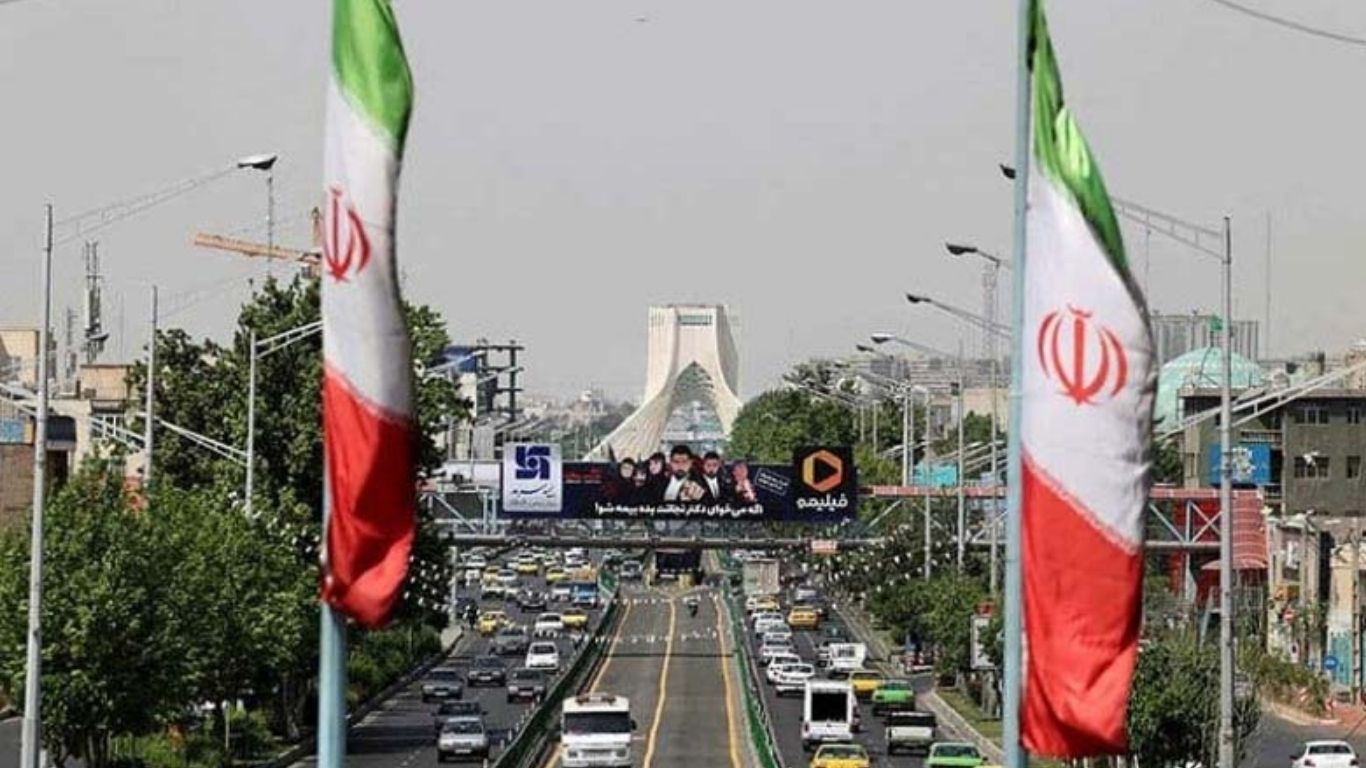
Tehran, home to about 9.4 million people with a broader metropolitan area reaching nearly 17 million, is grappling with overwhelming urban challenges. The city consumes almost a quarter of Iran’s water resources and suffers from a crippling water shortage that traditional solutions have failed to mitigate effectively. The water crisis is paired with severe land subsidence risks exacerbated by over-extraction of groundwater.
Beyond water, Tehran’s rapid population growth threatens urban infrastructure, with projections suggesting an influx of up to 20 million more people over the next three decades. Tehran’s air pollution levels are among the worst globally, creating major public health risks. Additionally, the capital faces chronic power shortages and ecological pressures that threaten its habitability and sustainability if conditions persist unchecked.
Water scarcity, over-expansion, and the risk of environmental degradation stand as insurmountable challenges for Tehran that the current administration views as irredeemable in situ. The city has reached a tipping point where incremental fixes are no longer sufficient.
Strategic Rationale: Why Makran?
The new capital is planned for Makran, a largely undeveloped coastal region in southeast Iran along the shores of the Persian Gulf. This strategic geographic shift is driven by several factors:
- Economic and Trade Advantages: Moving closer to the Persian Gulf enables Iran to strengthen its maritime trade routes, diversifying and boosting its economy. The south coast offers direct access to international waters, facilitating exports and imports, which is critical amid ongoing international sanctions and economic pressures.
- Geographic Redistribution: The relocation aims to re-balance the demographic and economic weight away from northern Tehran, spreading development more evenly across the country.
- Environmental Considerations: Makran offers a less densely populated and ecologically more sustainable environment, potentially more resilient to the climate and resource challenges that plague Tehran.
- National Security and Infrastructure: The move aligns with efforts to develop new urban infrastructure tailored for future needs and reduces the risks tied to centralized resources and vulnerability in Tehran. It also carries the strategic benefit of expanding Iran’s influence along its southern coast.
Challenges and Costs: The High Stakes of Relocation
Relocating a national capital comes with immense financial and administrative challenges. Estimates suggest the cost of moving Tehran’s political, economic, and administrative core to Makran could reach between $77 billion and $100 billion USD. This massive investment is required for building new government buildings, infrastructure, housing, roads, utilities, and establishing the required institutions.
Moreover, Makran is largely undeveloped, necessitating foundational construction in an area without current large-scale urban amenities. This makes the project logistically complex and economically risky.
Domestic criticism points to the challenges in resource allocation, questioning whether such a massive reallocation of funds will deliver the promised benefits in a politically and economically volatile environment.
Despite these hurdles, President Masoud Pezeshkian and his administration emphasize that the costs of not acting environmentally, socially, and economically are far greater and that this move is necessary for Iran’s long-term sustainability.
Political and Historical Context: A Legacy of Capital Shifts
The idea of moving Iran’s capital is not entirely new. Iran has seen its capital shift several times historically from Mashhad to Isfahan and later to Tehran in 1795. The current discussions have been re-ignited following prior mentions by Supreme Leader Ayatollah Ali Khamenei in 2009 and approval by the Expediency Discernment Council in 2017. Yet, economic constraints and political disagreements delayed actual steps for years.
The current government, under President Pezeshkian, is pushing to realize these plans as part of a broader vision to tackle the economic crisis and reposition Iran geopolitically by leveraging its southern coast’s economic potential.
Implications for Iran’s Future
Should Iran successfully move its capital, the transformation could herald a new era for the country. The irrigation of economic development, trade expansion, and environmental relief from Tehran’s chronic crises could synergize to enhance Iran’s global standing despite external pressures.
Furthermore, the shift might inspire modernization in urban planning, governance, and infrastructure usage with lessons that could impact similar megacities facing environmental or demographic crises worldwide.
However, the project also carries risks of exacerbating regional inequalities, triggering political resistance, and facing technical delays. Execution will require careful planning, consistent political will, and international cooperation.
Conclusion: Balancing Ambition with Realism
Iran’s move to change its capital city from Tehran to Makran represents an audacious reconfiguration shaped by urgent environmental realities, demographic dynamics, and strategic economic aims. While the plan holds promise for future resilience, it also confronts substantial challenges of cost, feasibility, and political buy-in.
This decision reflects a critical juncture for Iran a recognition that the environmental and infrastructural path Tehran is on is unsustainable and that bold measures are necessary to secure national stability and growth. The nation’s leadership faces the monumental task of balancing ambition with pragmatism in this transformative chapter.