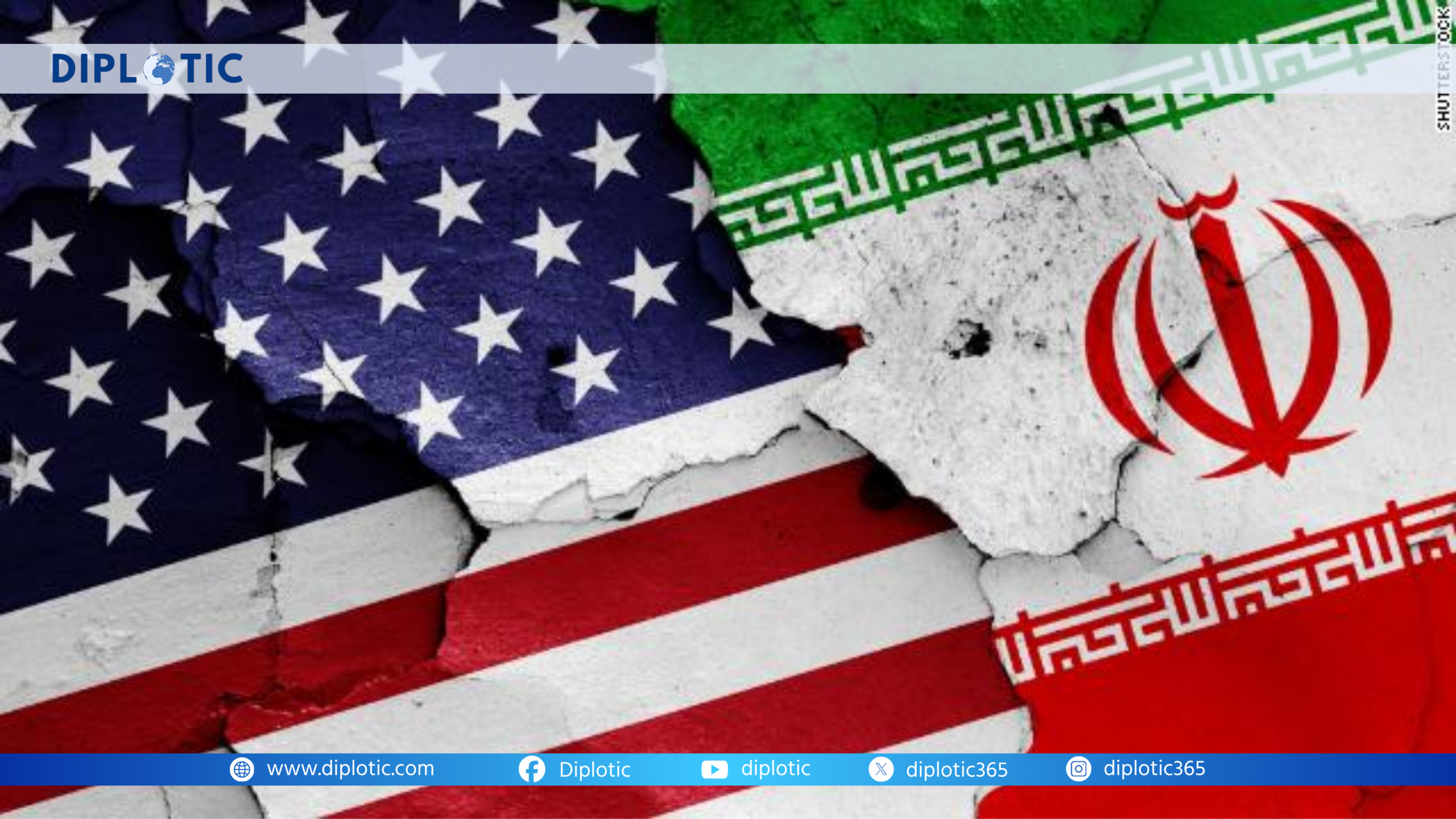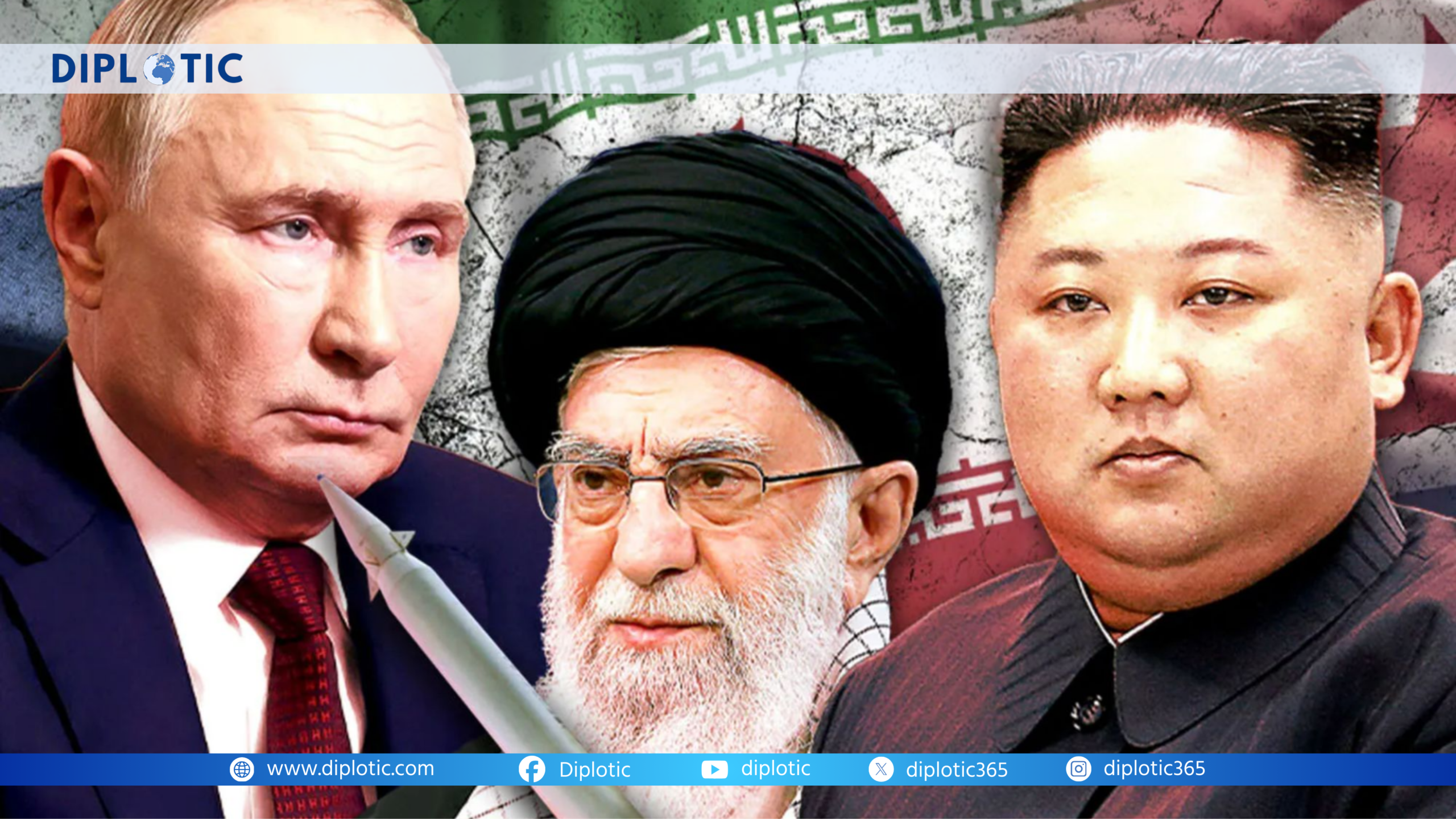
The growing conflict around Iran is reshaping security debates far beyond the Middle East. While the fighting is centered on Iranian territory and regional actors, its strategic consequences are being closely watched in distant capitals. One of those capitals is Pyongyang. For North Korea’s leadership, the crisis is reinforcing a long-held belief: nuclear weapons are the strongest guarantee that a regime can survive external pressure.
North Korea has spent decades developing nuclear and missile capabilities despite international sanctions and diplomatic isolation. From the perspective of its leadership, this program was never simply about military prestige or national pride. It was designed to protect the regime from the kind of military intervention that other governments have faced.
The recent strikes on Iran and the death of its long-time leader have strengthened that perception. Iran has powerful armed forces, regional allies and a large population. Yet it does not possess operational nuclear weapons. For North Korean strategists, that difference carries a clear lesson.
Events in the Middle East may therefore influence how Pyongyang approaches diplomacy, military planning and relations with its neighbors. The conflict also raises broader questions for regional security in East Asia. If North Korea believes its nuclear strategy has been validated by events elsewhere, it may be even less willing to compromise in future negotiations.
Understanding this connection requires looking at the history of North Korea’s partnership with Iran, the strategic logic behind Pyongyang’s nuclear program and the implications for the security balance in Asia.
Why Iran Became One of North Korea’s Few Strategic Partners
North Korea’s network of international partners has narrowed over the past several decades. Economic sanctions and political isolation have limited its ability to maintain broad diplomatic relationships. As a result, Pyongyang has often relied on a small number of governments that share similar political positions.
Iran became one of those partners over time. Although the two countries are geographically distant and culturally different, they developed a working relationship based largely on shared opposition to Western political influence.
Contacts between the two governments date back to the late twentieth century. During the 1980s, Iran was engaged in a long war with Iraq and sought external sources of military equipment. North Korea emerged as one supplier of missile technology and conventional weapons.
That cooperation gradually expanded. Reports over the years suggested collaboration in missile development and defense technology. The relationship was not a formal alliance, but it involved a degree of military exchange that both sides considered useful.
Symbolic gestures also reflected the partnership. Diplomatic visits between senior officials occurred periodically, and both governments often supported each other’s positions in international debates. In one unusual step, North Korea even allowed the construction of a Shia mosque in Pyongyang to serve Iranian diplomats, despite its officially atheist political ideology.
Yet the partnership had limits. Unlike North Korea’s relationship with China or Russia, economic ties with Iran remained relatively small. The two countries also lacked deep cultural or historical links. Their cooperation was mostly practical rather than ideological.
Despite these limitations, Iran remained one of North Korea’s few partners in the Middle East. With the collapse of the Syrian government in 2024 removing another potential ally in the region, Tehran’s importance for Pyongyang increased.
Now the conflict surrounding Iran raises questions about whether even that limited partnership will remain stable. More importantly, it is shaping how North Korea interprets the role of nuclear weapons in protecting a government from external threats.
How the Iran Conflict Reinforces Pyongyang’s Nuclear Thinking
North Korea’s nuclear program has long been justified by its leadership as a defensive necessity. From the government’s perspective, the country’s history provides reasons to distrust external security guarantees.
The Korean War in the early 1950s left deep scars in the country’s political memory. Since then, North Korean leaders have argued that only strong military deterrence can prevent foreign intervention.
Nuclear weapons became central to that strategy in the late twentieth century. Despite heavy sanctions and diplomatic pressure, Pyongyang continued developing both nuclear devices and long-range missiles capable of delivering them.
The Iran conflict appears to reinforce the logic behind this approach. Iran possesses significant conventional military strength and maintains influence through allied groups across the Middle East. Yet it remains vulnerable to direct military strikes because it does not possess nuclear weapons.
For North Korean analysts, this contrast is likely to confirm a familiar conclusion. Governments without nuclear deterrence can face direct attacks from stronger military powers. Governments that possess nuclear weapons are far harder to confront militarily.
This belief does not necessarily mean North Korea expects immediate military threats. Rather, it strengthens a long-standing argument within the regime that nuclear weapons are essential for long-term survival.
As a result, the crisis may reduce the chances of future nuclear negotiations. Diplomatic talks with the United States have taken place at various times over the past three decades. Some discussions explored possible limits on North Korea’s nuclear activities in exchange for sanctions relief.
However, those negotiations have repeatedly stalled. If Pyongyang interprets events in Iran as proof that nuclear weapons prevent regime collapse, the incentive to compromise becomes weaker.
Instead of reducing its program, North Korea may focus on expanding and improving its existing capabilities.
What This Means for Security in East Asia
The strategic consequences of this shift could extend across East Asia. North Korea already possesses a growing nuclear and missile arsenal capable of reaching targets in neighboring countries.
South Korea and Japan remain within range of several categories of North Korean missiles. United States military bases in the region could also be threatened in a crisis scenario.
For decades, the United States has attempted to deter such threats through security alliances. South Korea in particular relies on the American nuclear umbrella for protection. This arrangement means the United States pledges to defend its ally if it faces a nuclear attack.
However, the credibility of that guarantee is frequently debated in Seoul. Some policymakers in South Korea worry about whether the United States would risk its own cities in order to defend another country during a nuclear crisis.
If North Korea expands its arsenal further, those debates may intensify. Some analysts in South Korea have already begun discussing whether the country should develop its own nuclear deterrent or pursue new defense arrangements.
The Iran conflict could add new urgency to that discussion. If Pyongyang believes nuclear weapons have proven their value in international politics, it may accelerate testing and deployment programs.
That in turn could place greater pressure on the United States and South Korea to demonstrate strong coordination. Joint military exercises, missile defense systems and diplomatic cooperation could all become more important in maintaining stability.
Another factor shaping the regional balance is North Korea’s relationship with Russia. Pyongyang has strengthened ties with Moscow in recent years, particularly after providing support during Russia’s war in Ukraine. This partnership may offer North Korea additional political and military backing.
Under these conditions, the security environment in East Asia could become more complex if nuclear deterrence continues expanding.
Why the Iran Crisis May Shape Nuclear Politics for Years
While North Korea is unlikely to intervene directly in the conflict around Iran, the political lessons drawn from the crisis could influence its strategic thinking for years.
The distance between the Korean Peninsula and the Middle East makes military involvement impractical. Logistical challenges and geopolitical risks would far outweigh any potential benefits. North Korea is also already closely connected to Russia, which remains its primary strategic partner.
However, the symbolic impact of Iran’s situation is significant. For a government that already believes nuclear weapons are essential to survival, recent events provide further evidence supporting that belief.
This perception matters because it shapes how leaders evaluate risk. If nuclear weapons are seen as the ultimate safeguard against foreign intervention, the willingness to negotiate limits on those weapons decreases.
For policymakers in Washington and Seoul, this reality presents a difficult challenge. Diplomatic engagement with North Korea becomes more complicated when the regime views its nuclear arsenal as non-negotiable.
At the same time, military confrontation carries its own dangers because of the destructive power involved.
The crisis surrounding Iran therefore illustrates a broader pattern in global security politics. Conflicts in one region can influence strategic calculations in another, even when the countries involved are thousands of kilometers apart.
For North Korea, the message appears clear: regimes without nuclear weapons face greater vulnerability in times of conflict. Whether that interpretation is accurate or not, it is likely to strengthen Pyongyang’s commitment to its nuclear strategy.
The result may be a world where nuclear deterrence continues to shape the decisions of governments seeking security in an increasingly uncertain international environment.