

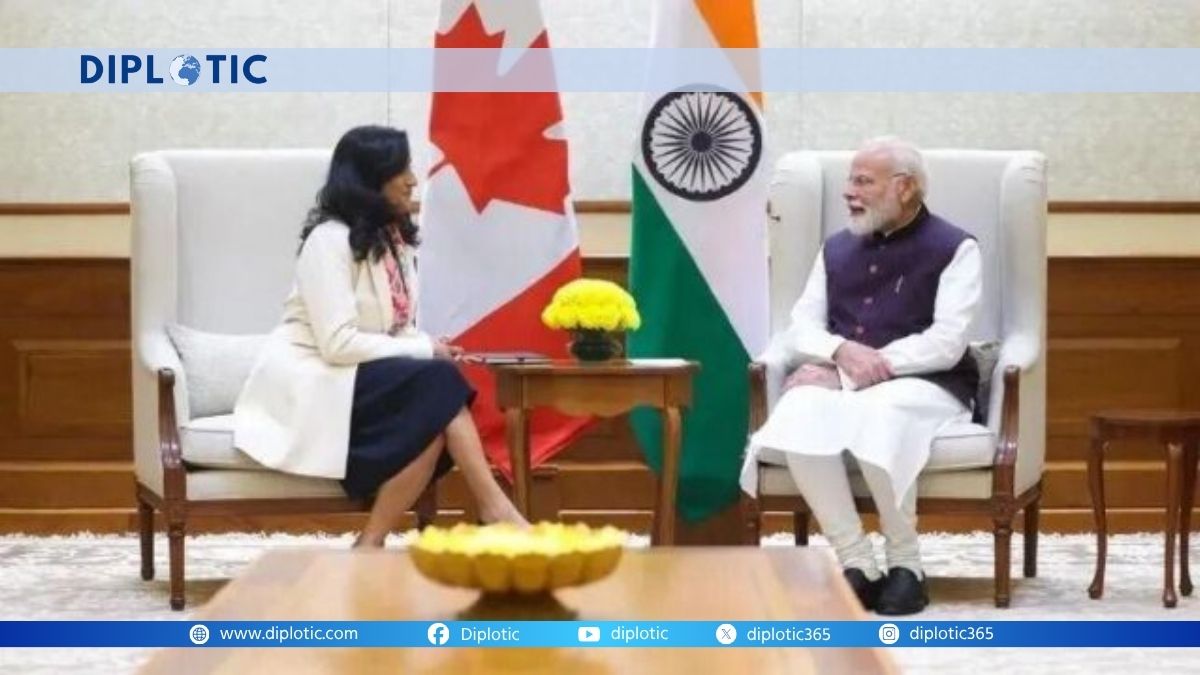
In October 2025, India and Canada embarked on a strategic diplomatic reset by agreeing on a comprehensive new roadmap designed to restore and enhance their bilateral ties. This long-awaited diplomatic thaw comes nearly two years after tensions peaked over the assassination of a Canadian Sikh separatist, which severely strained relations. Today, both nations prioritize collaboration in multiple sectors, signaling a pragmatic approach to overcoming past disagreements while advancing mutual interests amid global geopolitical shifts.
Renewing Diplomatic Momentum
The announcement follows high-level engagements between Canadian Foreign Minister Anita Anand and Indian External Affairs Minister Subrahmanyam Jaishankar in New Delhi. Their discussions, convened under an atmosphere of cautious optimism, focused on rebuilding trust and institutional dialogue essential for robust bilateral cooperation. India’s Prime Minister Narendra Modi and Canadian Prime Minister Mark Carney had previously laid the groundwork for this reset, underscoring the importance of stabilizing relations given shifting international alliances.
The joint statement heralds a new era of “mutual respect for shared democratic values, the rule of law, and sovereignty,” while carefully navigating sensitive issues around security concerns and diaspora politics. Restoring full diplomatic staffing and resuming ministerial and working-level talks are key early steps to bridge gaps that emerged during the diplomatic rupture in 2023.
Strategic Areas of Cooperation
Both countries identified cooperation across critical sectors as pillars of their renewed partnership. These include:
Trade and Investment: Ministerial-level discussions have been agreed upon to explore trade diversification and reduce dependency on the US, with a particular focus on agricultural value chains and supply chain resilience.
Critical Minerals and Clean Energy: With global demand surging for minerals vital to technology and green energy, India and Canada aim to collaborate on sustainable extraction and processing to secure supply chains.
Science, Technology, and AI: Both nations will intensify cooperation in artificial intelligence, space technology, and scientific research, positioning themselves as competitive players in the emerging innovation economy.
Civil Nuclear and Energy Security: Enhanced engagement on civil nuclear initiatives reflects mutual interest in clean energy and energy security within an increasingly volatile geopolitical environment.
Overcoming Historical Frictions
The bilateral strain originated from the 2023 accusation by former Canadian Prime Minister Justin Trudeau implicating Indian government complicity in the assassination of Hardeep Singh Nijjar, a prominent Sikh separatist, on Canadian soil. India vehemently denied the allegations and accused Canada of harboring extremist elements promoting Khalistan separatism, a deeply sensitive issue for Delhi. This led to reciprocal diplomatic expulsions and suspension of visa services, severely constraining bilateral engagement.
The reset roadmap reflects a shared recognition that moving past this bitter episode is essential to safeguard broader strategic interests. Both parties have agreed to unsentimental but structured engagement focused on pragmatic, mutually beneficial cooperation rather than controversial political issues. Canada has emphasized the need for India to act decisively against extremist groups on its soil, while India expects Canada to uphold rule of law and security standards in managing its diverse diaspora.
People-to-People and Economic Ties
India remains the leading source of temporary foreign workers and international students in Canada, creating deep socio-economic interlinks. The Indian diaspora of approximately 1.7 million in Canada, including a significant Sikh population, is a vital bridge between the two countries. The roadmap prioritizes reinvigoration of people-to-people ties through cultural exchanges, educational partnerships, and business forums such as the Toronto-based Canada–India CEO Forum, aiming to boost bilateral trade and investment flows.
The framework also seeks to diversify trade beyond the United States by exploring new market linkages and joint industrial ventures. Both countries recognize that economic collaboration not only strengthens ties but also reduces vulnerabilities from shifting global power dynamics and trade disruptions.
Regional and Global Significance
This bilateral reset occurs amid evolving geopolitical landscapes in the Indo-Pacific and North America. India’s role as an indispensable democratic anchor in the Indo-Pacific aligns with Canada’s broader Indo-Pacific strategy, seeking reliable partners in a multipolar world. Strengthening bilateral ties contributes to broader regional stability and counters emerging challenges such as supply chain insecurities and climate-related transit disruptions.
The renewed engagement also enhances both countries’ positioning in global forums like the G7, where shared democratic values and rule-based order form the foundation for collaboration. The roadmap signals a maturing partnership capable of transcending episodic tensions while addressing future global challenges cohesively.
Roadmap Implementation and Outlook
While the announcement marks a historic and optimistic milestone, challenges remain. Both sides acknowledge that the reset will be gradual, requiring continued dialogue, confidence-building measures, and effective diplomacy. Key upcoming steps include:
Full restoration of diplomatic missions and staff.
Resumption of comprehensive trade talks and agreements.
Joint initiatives on energy, technology, and critical minerals.
Sustained efforts toward addressing diaspora concerns with mutual respect.
The roadmap underscores a strategic willingness by India and Canada to prioritize stability, resilience, and prosperity in their relationship. It reflects diplomatic maturity, balancing national security imperatives with economic and social partnership imperatives.




