

Discover the secret world of Italy’s undercover pizza detectives safeguarding the authenticity of Neapolitan pizza worldwide. Explore how AVPN enforces strict pizza-making standards, blending tradition, espionage, and culinary excellence.
Beneath the sun-drenched streets of Naples, a culinary crusade is quietly unfolding. While millions across the globe savor slices of pizza topped with everything from pineapple to truffle oil, a secretive band of pizza purists is working tirelessly to protect the sanctity of the original Neapolitan pie. Welcome to the clandestine world of Italy’s undercover pizza detectives’ agents on a global mission to define, preserve, and protect what it means to make “real” pizza.
At the heart of this movement is the Associazione Verace Pizza Napoletana (AVPN), or the True Neapolitan Pizza Association. Founded in 1984, this Naples-based organization is dedicated to safeguarding the city’s most iconic culinary treasure by codifying centuries-old pizza-making traditions into strict, unwavering guidelines.
AVPN’s Pizza Code: Defining the True Neapolitan Standard
To outsiders, pizza might seem like a universally beloved and flexible dish. But according to AVPN, not all pizzas are created equal. The association has drafted meticulous guidelines that dictate every aspect of an authentic Neapolitan pizza. Certified pies must feature a “roundish seasoned disc” with a high, puffy crust (cornicione) no higher than 1-2cm. Rolling pins and baking trays? Banned. Overcooked, crispy pies? Sacrilegious. Every authentic Neapolitan pizza must be soft, elastic, foldable, and baked at a blistering 485°C for no longer than 90 seconds.
To the AVPN, pizza is not just a dish it’s an art form rooted in Naples’ cultural DNA. “There is a big connection between this kind of food and the soul of Naples,” says Massimo Di Porzio, AVPN’s flour-dusted vice president.
Training the Next Generation of Global Pizzaioli
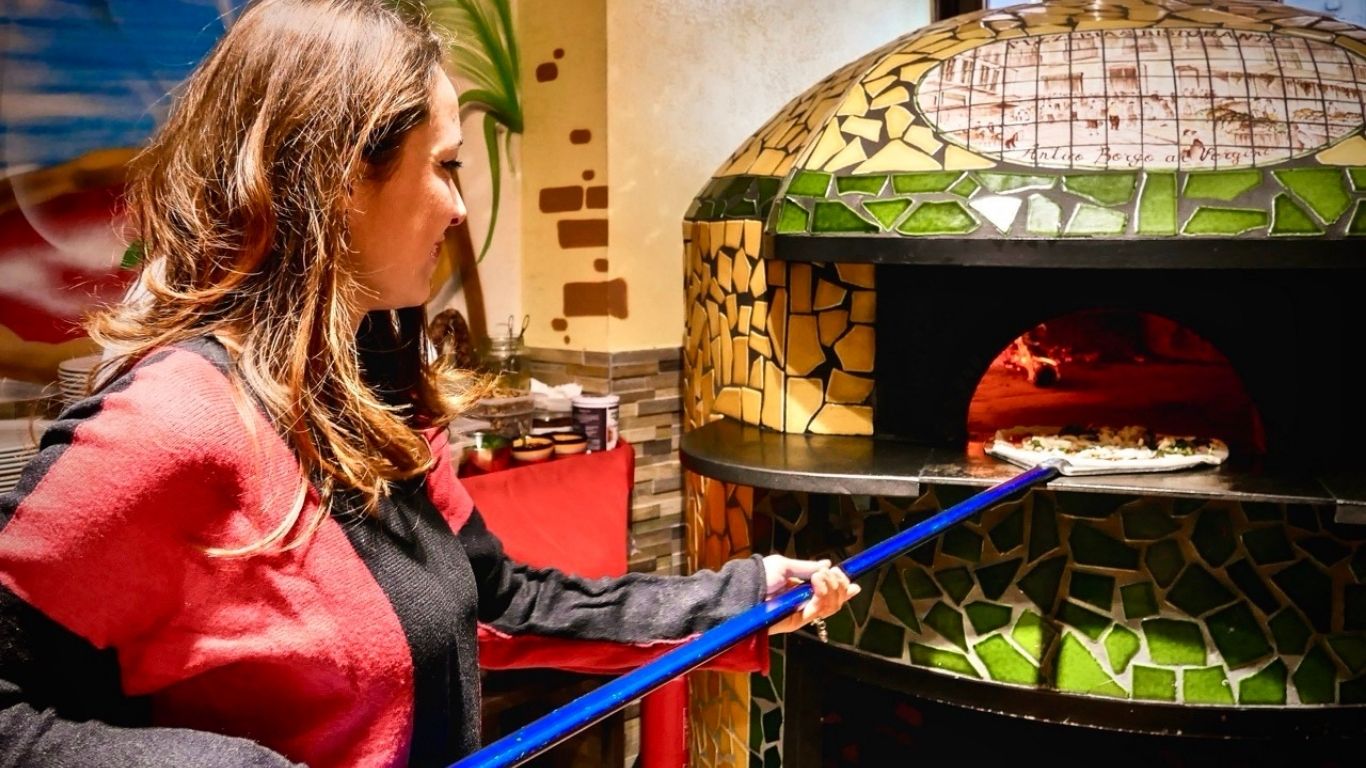
At AVPN’s headquarters near Naples’ historic San Gennaro catacombs, international trainees flock each month to undertake the rigorous nine-day pizzaiolo training course. These aspiring pizza artisans, hailing from Canada to South Korea, immerse themselves in the alchemy of dough hydration, yeast fermentation, topping selection, and the delicate art of sliding a pizza into the infernal heat of a wood-fired oven.
“The final exam is nerve-wracking. You only have three minutes, so there’s no room for hesitation,” recalls Gemma Eldridge, a Canadian trainee. Under the watchful eyes of Naples’ pizza legends like Gino Sorbillo and Paolo Surace, students must flawlessly execute a classic Margherita the gold standard of Neapolitan tradition.
However, AVPN training is only the beginning. For pizzerias seeking official certification, the process becomes even more stringent. Restaurants must employ AVPN-trained pizzaioli, submit detailed documentation of their kitchen setup, ingredient sourcing, and even video evidence of their pizza-making techniques. Only after passing this exhaustive audit can a pizzeria proudly display the coveted AVPN certification badge a global symbol of pizza authenticity.
The Undercover Pizza Spies: Policing Global Pizza Standards
But AVPN’s work doesn’t stop at certification. In a twist straight out of a culinary espionage thriller, the association deploys secret “pizza agents” to conduct surprise inspections of accredited pizzerias worldwide. These incognito operatives, often disguised as regular customers, meticulously assess whether restaurants are upholding AVPN’s sacrosanct standards.
“If a pizzeria is serving a pizza that’s too crispy or using unapproved dough, we’ll find out,” says one anonymous agent. Non-compliant establishments face immediate de-listing. One notorious incident involved AVPN operatives traveling to Osaka, Japan, to forcibly remove a certificate from a rogue pizzeria still flaunting its credentials post-expulsion.
Authenticity or Culinary Myth-Making?
Yet, this rigid codification of Neapolitan pizza isn’t without its critics. Karima Moyer-Nocchi, a food historian at the University of Siena, argues that AVPN’s mission straddles the line between cultural preservation and myth-making. By creating an elite “inner circle” of true-pizza certificate holders, the AVPN elevates Neapolitan pizza from a humble street food into an aspirational culinary symbol.
“They’re not just preserving a tradition; they’re producing it,” Moyer-Nocchi explains. The allure of exclusivity, she argues, makes people crave authentic Neapolitan pizza even more, turning every AVPN-certified slice into a transcendent experience.
A Tradition in Evolution: Balancing Purity and Progress
While the AVPN’s core mission is to preserve Neapolitan pizza’s essence, the association has also shown a surprising willingness to adapt. In 2013, it controversially permitted the use of electric ovens for certified pizzas a decision that sparked outrage among purists.
More recently, Gino Sorbillo shocked traditionalists by debuting a Hawaiian-style Neapolitan pizza, blending age-old methods with taboo toppings. “Pizza does not stop at a certain point,” Sorbillo insists. “It’s always developing, always changing.”
Di Porzio echoes this sentiment, acknowledging that while the AVPN’s rules are steeped in tradition, they are not etched in stone. “If we can improve something, we’ll change it. But we must teach and preserve the skills that define Neapolitan pizza.”
Global Guardians of Pizza Culture
Today, over 1,000 pizzerias from Japan to Siberia proudly bear AVPN’s stamp of authenticity, forming a global network where pizza enthusiasts can taste the true Neapolitan experience. Yet, every pie is a battleground in an ongoing culinary war a fight to ensure that the soul of Naples isn’t lost in a sea of mass-produced imitations.
Through a combination of meticulous training, rigorous certification, and undercover espionage, Italy’s pizza detectives are not only preserving a dish but safeguarding a living cultural legacy.




