

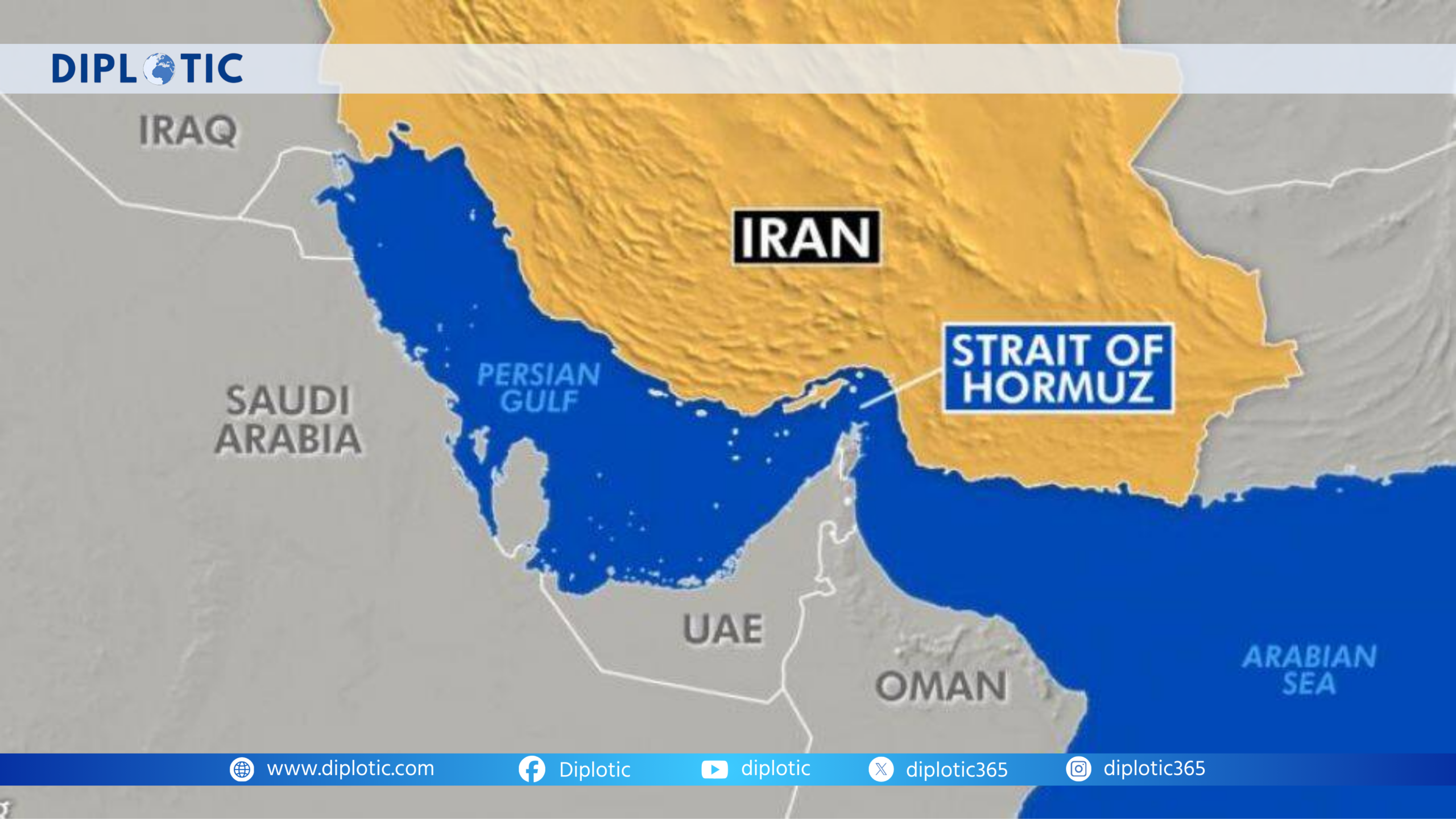
The reopening of the Strait of Hormuz has brought a wave of cautious relief across global markets and conflict-hit regions. After days of disruption linked to escalating tensions between Iran, Israel, and the United States, the announcement followed a ceasefire in Lebanon that allowed shipping routes to reopen. Yet beneath the surface of this apparent calm lies a deeper question: does reopening the world’s most critical oil chokepoint signal stability, or merely a pause before the next disruption? The answer may shape not only regional geopolitics but also global economic security in the months ahead.
Why Does the Strait of Hormuz Matter So Much?
The Strait of Hormuz is not just another maritime passage. It is the narrow gateway through which nearly a third of the world’s seaborne oil supply travels. For decades, it has functioned as a vital artery connecting energy-rich Gulf states to global markets in Asia, Europe, and beyond. Any disruption here quickly moves beyond regional politics and becomes a global economic concern.
Recent tensions demonstrated just how fragile this system can be. As conflict intensified between Iran and a US-backed Israeli campaign, shipping through the strait slowed or halted. Insurance costs surged, tanker routes were disrupted, and global oil prices reacted almost instantly. The blockade threat was not theoretical; it exposed how dependent modern economies remain on a single geographic bottleneck.
Even with the reopening, the conditions are far from normal. Reports indicate that vessels may now require approval from Iran’s Revolutionary Guard before passing through. This introduces a new layer of control that did not exist in the same form before the crisis. It raises a key concern: is the strait truly open, or is it now operating under a different kind of restriction?
Historically, the strait has been a recurring flashpoint. During the Iran-Iraq War in the 1980s, attacks on oil tankers turned the region into a battlefield. More recently, periodic tensions have reminded the world that access is never guaranteed. The current reopening follows that pattern. It restores flow, but not certainty.
For countries heavily dependent on Gulf energy, especially in Asia, this uncertainty is critical. Even a short disruption can trigger inflation, disrupt supply chains, and strain national budgets. The reopening may calm markets in the short term, but the structural risk remains unchanged. The Strait of Hormuz continues to be both a lifeline and a vulnerability.
Does the Lebanon Ceasefire Signal Real De-escalation?
The reopening of the strait is closely tied to the ceasefire in Lebanon, where weeks of conflict had displaced tens of thousands of civilians. As the ceasefire took effect, many residents began returning to southern regions despite warnings from the Israeli military that operations were not fully over. This return itself reflects a fragile hope, rather than confirmed stability.
Statements from regional actors suggest that the ceasefire is limited in scope. Iran has made it clear that it does not accept a temporary pause and is pushing for a complete end to hostilities across all fronts. At the same time, Israeli officials have indicated that their military presence in parts of southern Lebanon will continue. These positions highlight a gap between tactical pauses and strategic resolution.
The role of the Hezbollah further complicates the picture. While the group has signaled caution, it has also warned of possible breaches of the ceasefire. This reflects a broader pattern seen in past conflicts, where ceasefires reduce immediate violence but fail to address underlying tensions.
Meanwhile, diplomatic efforts are intensifying. Meetings involving regional powers such as Turkey, Pakistan, Saudi Arabia, and Egypt aim to preserve the current calm and explore longer-term solutions. Yet diplomacy in such a complex environment often moves slower than events on the ground.
The ceasefire has created space for humanitarian relief and civilian return, but it has not resolved the deeper geopolitical contest. The reopening of the Strait of Hormuz is therefore linked to a temporary alignment of interests rather than a durable peace agreement. If the ceasefire collapses, the strait could once again become a point of pressure.
Is the Global Economy Truly Safe After Reopening?
Markets reacted quickly to the reopening of the Strait of Hormuz, with oil prices stabilizing after days of volatility. For energy-importing countries, this provided immediate relief. However, the underlying risks remain significant.
The crisis has highlighted how quickly energy supply chains can be disrupted. Even short interruptions led to rising fuel costs, increased shipping expenses, and concerns about inflation. For developing economies, these effects are often magnified. Higher energy prices can lead to increased food costs, reduced industrial output, and pressure on government budgets.
Another factor is the continued presence of military forces in the region. The United States has indicated that its naval measures targeting Iran will remain in place despite the reopening. This creates a situation where the strait is technically open but still surrounded by strategic tension.
In addition, new international initiatives are emerging. The United Kingdom and France have announced plans for a joint mission aimed at ensuring safe passage through the strait. While described as defensive, such moves also reflect a growing concern among global powers about the reliability of this critical route.
For businesses and governments, the key issue is predictability. Trade routes depend not only on access but also on confidence that access will continue. The events surrounding the strait have shaken that confidence. Companies may now consider alternative routes, stockpiling strategies, or long-term diversification of supply sources.
The reopening, therefore, reduces immediate pressure but does not eliminate long-term uncertainty. It is a reminder that global economic stability is closely tied to geopolitical developments in a few critical locations. The Strait of Hormuz remains one of the most important—and most vulnerable—of these نقاط.
Could This Crisis Reshape Regional Power and Future Conflicts?
Beyond immediate economic effects, the events surrounding the Strait of Hormuz may influence how regional and global powers approach security in the future. The crisis has shown that control over key chokepoints can provide significant leverage, even without prolonged military engagement.
For Iran, the ability to influence traffic through the strait reinforces its strategic importance. Even temporary restrictions demonstrated how global markets respond to perceived threats. This could shape future negotiations, where control over maritime access becomes a bargaining tool.
At the same time, the response from Western and regional powers indicates a shift toward more coordinated security efforts. Joint missions, increased naval presence, and diplomatic coordination suggest that countries are preparing for similar crises in the future. The involvement of multiple actors also reflects the global nature of the risk.
The situation in Lebanon adds another layer. The conflict there has shown how local tensions can quickly connect to broader regional dynamics. Groups like Hezbollah operate within this complex network, where actions in one area can trigger responses across the region.
Another important aspect is the role of public sentiment. Protests, political pressure, and public reactions in different countries are influencing how governments respond. This adds a domestic dimension to what might otherwise be seen as purely strategic decisions.
Looking ahead, the key question is whether the current crisis will lead to structural changes. Will countries invest more in alternative energy routes? Will diplomatic frameworks be strengthened to prevent future disruptions? Or will the system return to its previous state, waiting for the next shock?
The reopening of the Strait of Hormuz offers a moment of relief, but it also exposes the limits of current arrangements. Stability in such a critical region cannot rely only on temporary ceasefires or reactive measures. It requires a deeper rethinking of how security, trade, and diplomacy interact in a world where local conflicts can have global consequences.
In the end, the strait’s reopening is not a conclusion. It is a pause in a longer story, one that continues to unfold across the Middle East and beyond.




