

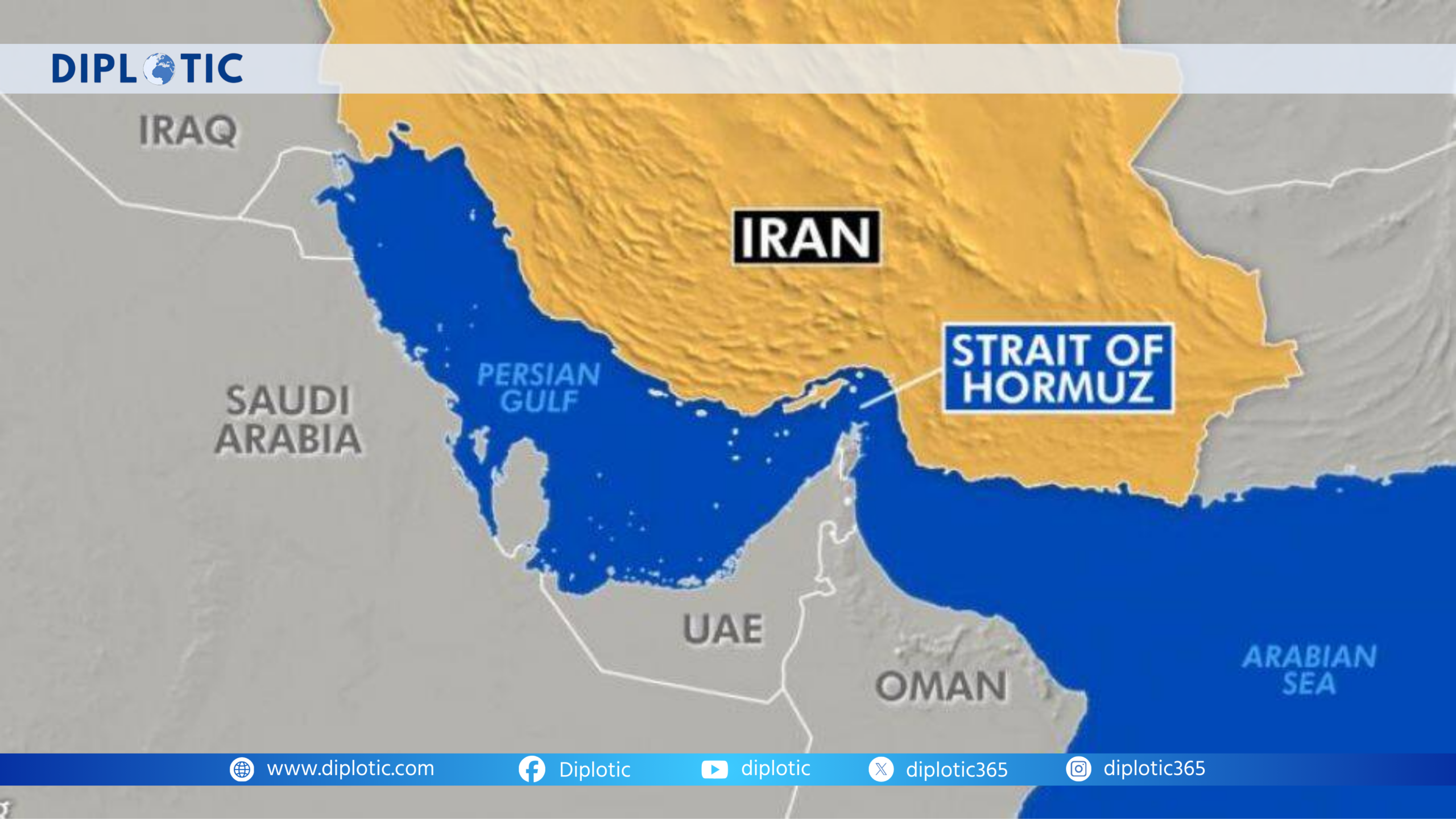
A narrow stretch of water between Iran and Oman carries more weight in global affairs than its size suggests. The Strait of Hormuz handles over 20 percent of the world’s oil and 25 percent of its natural gas each year. It also moves a large share of fertilizers that farmers rely on worldwide. When Iran blocked the strait earlier this month in response to US-Israeli airstrikes, oil prices jumped to around $116 per barrel, and urea costs rose by 26 percent in a short time. This action tests the strength of American control over the seas and highlights a deeper shift. For decades, the United States has kept sea lanes open to support trade and its own power. Now, a single chokepoint shows how fragile that system can be. At the same time, China’s land-based routes offer a different model of connection. These events raise questions about whether the era of US-led globalization, built on sea power, is giving way to something new.
How did control of the seas become the foundation of American power?
The idea that ruling the waves means ruling the world comes from Alfred Thayer Mahan, an American naval thinker from the late 1800s. He studied Britain’s rise and saw that sea power gave a nation trade advantages, reach, and safety. Britain, as an island, built the Royal Navy to protect itself and grow its empire. The US took a similar path after World War II. It set up bases across oceans and made sure ships could move freely. This was not just helpful for others; it served American interests. Open routes let goods, oil, and capital flow smoothly, which supported factories, markets, and growth at home.
Globalization rested on this setup. Container ships, oil tankers, and bulk carriers depend on a few narrow passages: the Strait of Hormuz, the Strait of Malacca, the Suez Canal, and others. The US Navy acted as the main guarantor of safe passage. Even rivals like China gained from this stability as they exported goods worldwide. Mahan’s thinking proved correct long before modern trade terms existed. Control of these sea lanes shaped who could trade, when, and at what cost. For many years, no other power could seriously challenge this order.
Yet the same system that created strength now shows weakness. When Iran closes the strait, even for a short time, the effects spread fast. Oil prices climb, shipping costs rise, and supply chains face delays. Fertilizer shortages can hit farms far away. The US has the strongest navy, but it cannot prevent every disruption in every chokepoint. Geography gives smaller players leverage. Iran uses its location to push back against strikes and pressure for talks. This reveals a basic truth: sea power works best when unchallenged. When a key route faces closure, the whole system feels the strain.
Why does the current blockade expose limits in US maritime strength?
Iran’s response came after US-Israeli attacks that included strikes on leadership and facilities. By blocking the strait, Iran turned geography into a tool. The waterway is only about 21 miles wide at its narrowest, with shipping lanes even tighter. Mines, small boats, missiles, and drones can make passage risky or impossible for a time. Tankers from Saudi Arabia, Iraq, Kuwait, Qatar, the UAE, and Iran itself all pass through here. When traffic stops, alternatives are few and slow. Pipelines exist but cannot handle the full volume. Rerouting around Africa adds weeks and much higher costs.
The economic fallout is clear. Oil at $116 per barrel raises fuel and transport prices everywhere. Urea, key for crops, jumped 26 percent in days. These changes hit consumers and industries hard. The US launched strikes while talks were ongoing in Oman, which some see as a misstep that lost trust. Questions arise about whether leaders expected such a strong reaction or planned for the economic ripple effects.
This situation points to a larger issue. The global order depends on secure sea lanes, but that dependence creates openings for others to exploit. The US has not built enough alternative paths or reduced its own reliance on these routes. Decades of focus on naval dominance did not fully address the risk of one nation disrupting a vital passage. The blockade shows that supremacy on water does not mean invulnerability. It also suggests that future conflicts may target these chokepoints more often as bargaining tools or ways to impose costs.
How is China building a different model of global connection?
While sea routes face pressure, China follows another path through the Belt and Road Initiative. This network links over 140 countries with roads, rails, ports, and pipelines. It includes land routes from inland China to Europe that take about two weeks, half the time of sea shipping. Ports like Gwadar in Pakistan and Piraeus in Greece give China direct access to key areas. These projects go beyond trade; they reshape how regions connect.
This approach challenges the old focus on sea chokepoints. Land routes avoid narrow straits and canals controlled or watched by others. Rail lines cross continents without the same risks from weather, pirates, or blockades. China invests trillions to build this system, setting terms along the way. In a world where safety matters more than speed or cost alone, land connections offer reliability.
This shift echoes ideas from Halford Mackinder, a British thinker who wrote in 1919 about the Heartland Theory. He said control of Eurasia’s central landmass would decide global power. Sea powers might dominate coasts, but land powers could hold the interior. Mackinder saw the future as a contest between those who rule the seas and those who master the land. Today, Iran sits at a key hinge. It links Central Asia, the Persian Gulf, and the Indian Ocean. With large oil and gas reserves, it can act as a bridge or barrier. If Iran leans toward one side, it could tilt balances in energy and trade.
Reports suggest Iran may allow ships to pass if they pay in yuan. Such a step could speed up moves away from the US dollar in oil trade. The strait, long a pillar of dollar-based energy markets, might become a point of change.
What could these changes mean for the future of global trade and power?
The blockade forces a rethink of globalization. For years, the cheapest and fastest routes shaped decisions. Now, companies and countries look first for the safest ones. Disruptions make people question over-reliance on sea lanes. Diversification grows in importance—more pipelines, more rail, more local production.
China’s land focus gains appeal in this environment. It reduces exposure to US naval influence and chokepoint risks. If more trade moves over land, power may follow. The US built its strength on open seas, but that model faces tests it was not fully designed to meet.
Iran’s actions show how one player can challenge the system without matching overall strength. Geography remains a powerful force. The outcome of this moment—whether talks resume, the strait reopens, or tensions spread—will shape what comes next. Yet the deeper trend points to a world where sea dominance alone no longer guarantees control.
Globalization as we knew it was tied to American sea power. If chokepoints become points of leverage instead of smooth passages, that era may fade. A new pattern, with land routes rising and multiple centers of influence, could take its place. The Strait of Hormuz, long a quiet enabler of trade, now stands as a symbol of change. What happens there in the coming weeks and months will help decide whether this is the start of a fundamental shift in how the world connects and who holds the upper hand.




