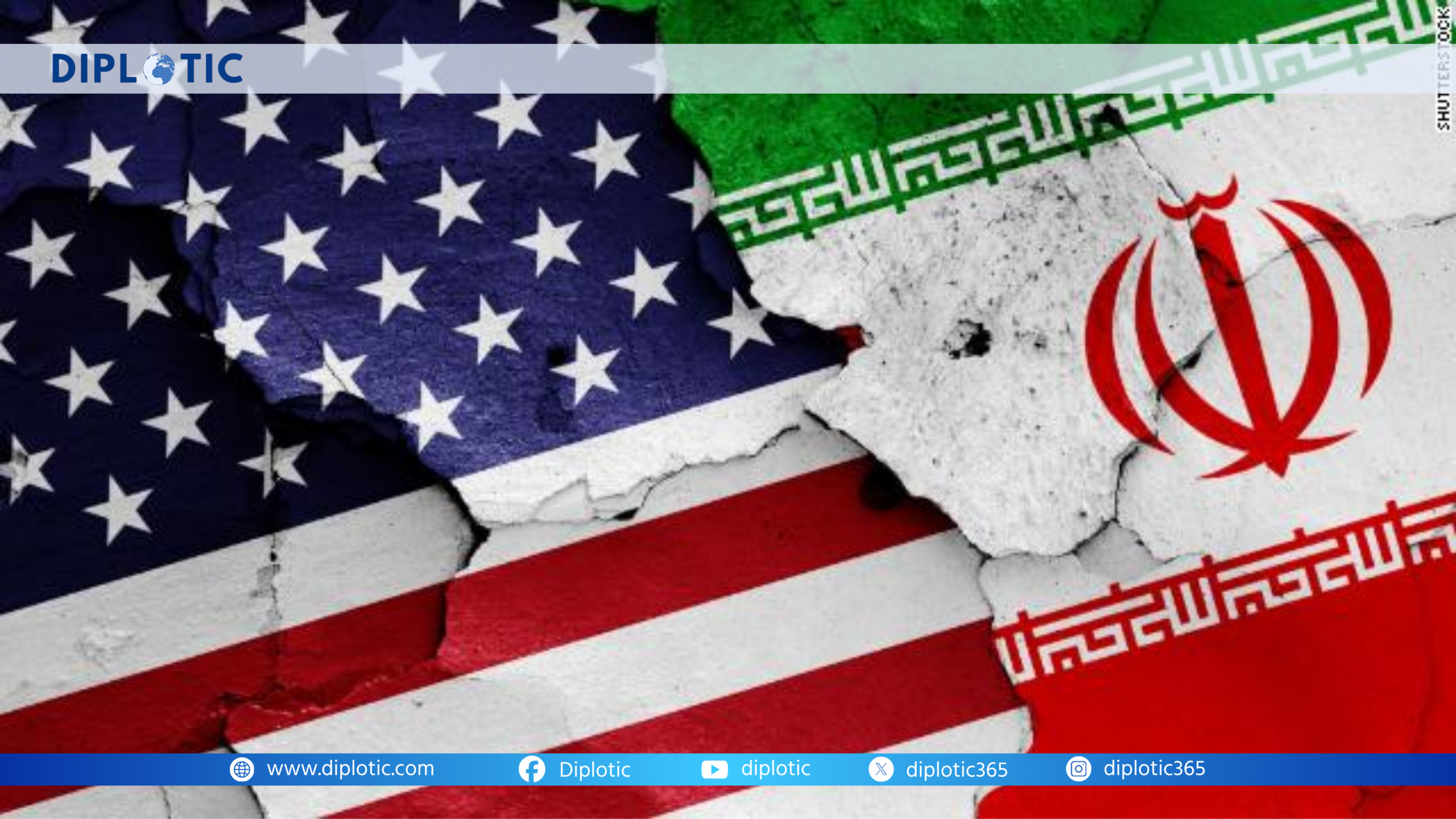
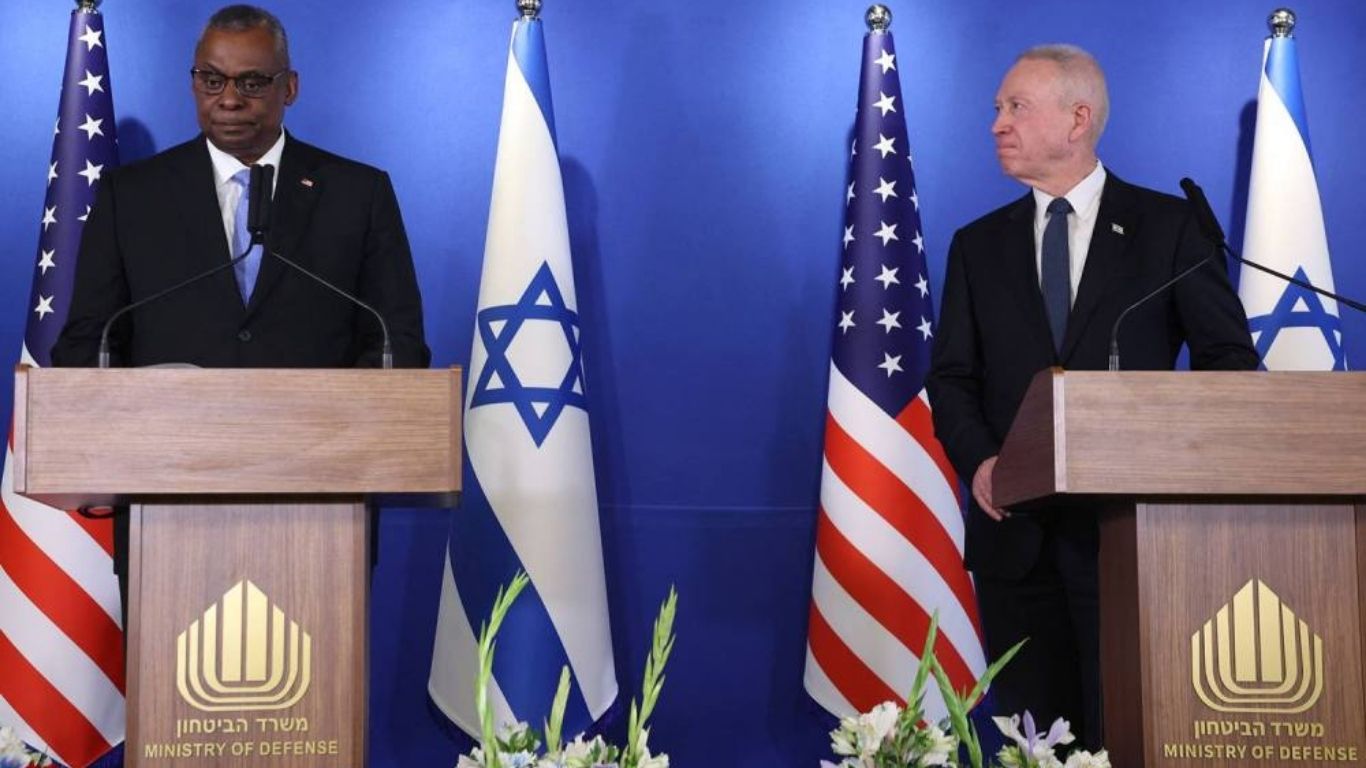
The relationship between the U.S. and Israel, once considered unbreakable, is now facing unprecedented scrutiny and division especially among the American public and within the Republican Party. As Israel’s war in Gaza drags on and tensions with Iran reach a boiling point, the American consensus on Israel is rapidly unraveling. This seismic shift is reshaping U.S. foreign policy calculations and could have profound consequences for the future of Middle Eastern diplomacy.
Trump’s Dilemma: From Promised Peace to Escalation
President Donald Trump, who once promised to deliver quick and easy peace in the Middle East, now finds himself grappling with the fallout from Israel’s massive overnight attack on Iran’s nuclear facilities. Despite publicly urging restraint and pushing for a diplomatic solution to Iran’s nuclear ambitions, Trump described the strikes as “very successful” in a Friday morning phone interview with CNN.
This episode underscores a harsh reality: the world stage is far more complicated than the campaign trail rhetoric. For Trump and his Republican base, the situation with Israel is more nuanced and contentious than it has been in decades.
Waning Support: Americans Rethink Their Alliance
Recent polling data paints a striking picture of shifting public opinion. According to a Quinnipiac University poll released just before Israel’s strikes on Iran, Americans now side with Israel over the Palestinians by a historically narrow margin: 37% to 32%. This represents a dramatic drop from the 61-13% advantage Israel enjoyed after the Hamas attacks in October 2023 a staggering 48-point swing in less than two years.
Further, a March Pew Research Center poll showed that 53% of Americans now hold an unfavorable opinion of Israel, up from 42% before the current Gaza conflict. The same survey revealed a significant lack of confidence in Israeli Prime Minister Benjamin Netanyahu. A Marquette University Law School poll echoed this sentiment, finding Americans evenly split on Israel: 43% favorable, 43% unfavorable.
Perhaps most tellingly, a February Reuters/Ipsos poll found that about 4 in 10 Americans, across Democrats, independents, and Republicans, believe Israel’s problems are “none of our business.” This nonpartisan skepticism signals a profound shift in the American mindset.
Republican Rift: From Unwavering Support to Growing Skepticism
Historically, Republicans have been Israel’s staunchest supporters. But even within the GOP, the ground is shifting. The Quinnipiac poll showed Republican sympathy for Israel dropping from 86% in October 2023 to just 64% today, with most of the shift moving toward neutrality rather than support for the Palestinians.
Unfavorable views of Israel among Republicans and Republican-leaning independents have also risen from 27% in 2022 to 37% in March 2025. Notably, younger right-leaning voters (under 50) are now about evenly split in their views of Israel.
This evolution is fueled in part by the rise of non-interventionism within the conservative movement, a stance popularized by Trump himself. Influential right-wing voices like Tucker Carlson have gone so far as to call for a complete decoupling from Israel, urging the U.S. to let Israel “fight their own wars” without American troops, funding, or weapons.
MAGA Movement Divided: High-Profile Clashes and New Voices
The Republican divide is perhaps best exemplified by the public feud between Fox News host Mark Levin and former Fox colleague Tucker Carlson. Carlson’s call for American disengagement from Israel is a radical departure from traditional GOP orthodoxy. Meanwhile, figures like Tulsi Gabbard, now Director of National Intelligence, have amplified anti-interventionist rhetoric, warning against “elite warmongers” pushing the U.S. toward nuclear conflict.
These debates are no longer confined to the political fringes. Even establishment Republicans are showing signs of discomfort. Senator John Kennedy’s sharp retort to Gabbard’s warnings telling her to “change her meds” reflects just how contentious and personal these debates have become within the party.
The Road Ahead: Uncertainty and Historic Change
The implications of these shifting attitudes are profound. As Israel’s actions in Gaza and its military escalation with Iran dominate headlines, the American public’s patience and support are wearing thin. The once-solid bipartisan consensus on Israel is fracturing, replaced by skepticism, neutrality, and even outright opposition.
For President Trump and the Republican Party, this means navigating a rapidly changing political landscape. Trump has so far remained firmly in Israel’s corner, but the mounting pressure from within his own movement may force a reevaluation of America’s role in the Middle East.
Conclusion: A Turning Point in U.S.-Israel Relations
America’s relationship with Israel is at a crossroads. The power dynamics within the Republican Party, the rise of non-interventionist sentiment, and the growing disillusionment among the broader public are converging to create the most complicated chapter in U.S.-Israel relations in decades.
As the Middle East faces historic escalation and the world watches anxiously, the choices made in Washington will reverberate far beyond American shores. The era of automatic, unwavering support for Israel is over replaced by a new, unpredictable reality that will shape global politics for years to come.