Introduction
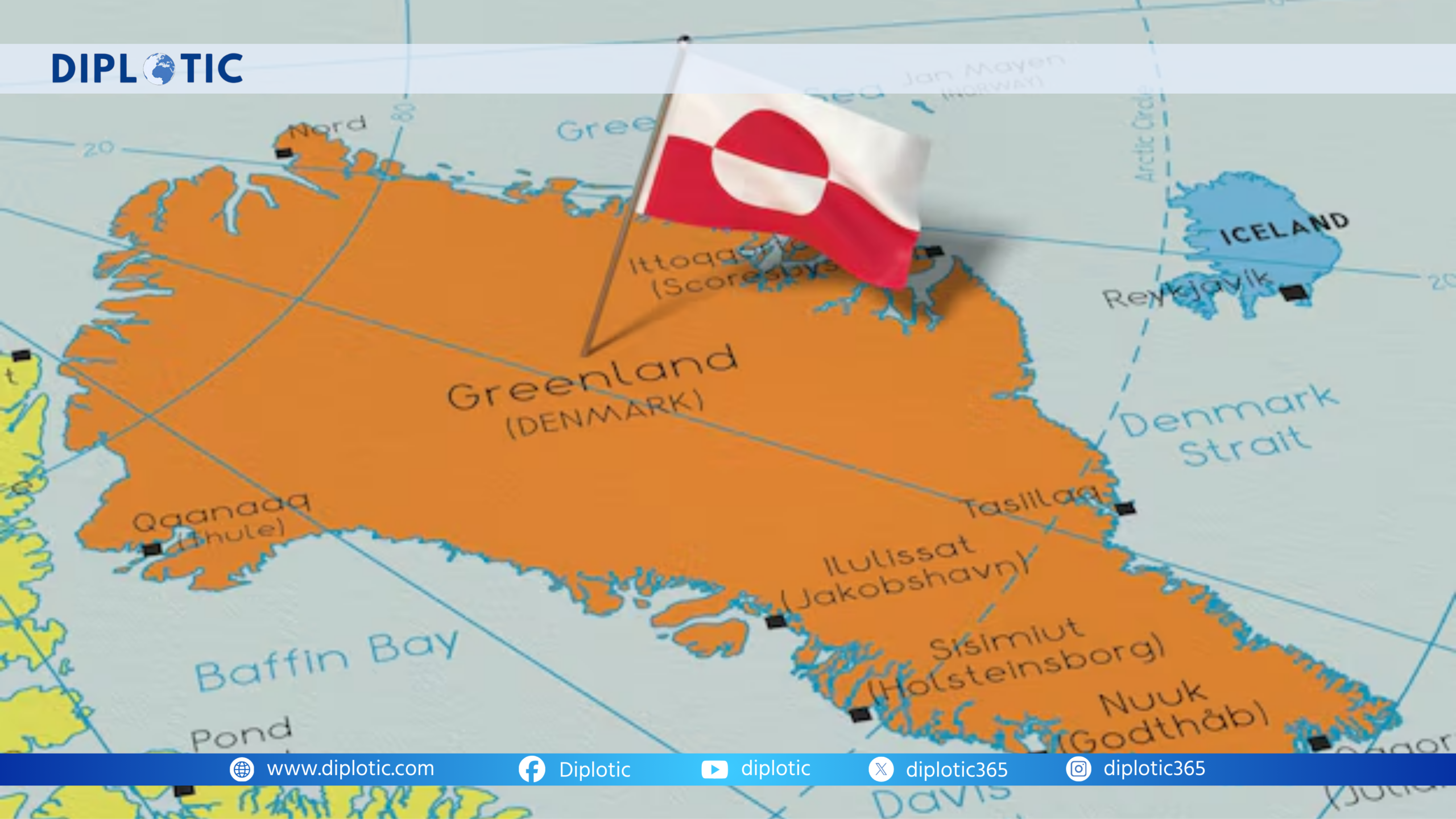
Greenland is the largest Arctic island and a very important geographic location in the emerging global geopolitical setting, lying between America and Europe. Geographically, it is close to Canada and the United States. Greenland has been politically under Denmark, symbolizing Danish strength and sovereignty in the North Atlantic. However, all that has changed recently because of shifting power balances in the North Atlantic and the increasing impacts of climate change on the territorial sovereign status of Greenland. For the major powers, especially the US and Russia, the island has acquired heightened value due to its natural resources, the opening of shipping lanes resulting from melting ice, as well as its close vicinity to other strategic military and economic centers.
Literature Review
Greenland is an autonomous territory within the Kingdom of Denmark that plays a vital role in the fast-changing Arctic region. Historically, Greenland has been a remote and largely isolated backwater whose status has radically changed over time. The fact that it is geographically located between North America and Europe, besides its vast amounts of unutilized natural resources and involvement in power politics, has further concretized its significance for Russia, the United States, international law, military considerations, and Denmark. Over the past decades, diverse scholarship has shaped understanding of these dynamics.
Geopolitical Importance of Greenland
Greenland is a geopolitical hotspot with growing regional significance because of climate change. The territorial issue of Greenland will shape competitive positions in the Arctic region, moving towards increased competition in military and economic aspects. Denmark’s position is central to drawing conclusions about the scholarly connection between Greenland and the geopolitical power held by this self-governing territory. Activities on the island have attracted the interests of world superpowers such as the US and Russia, besides Denmark, which has supervisory authority over the state. The question of what will happen to Greenland regarding potential independence, deeper integration with the West, or strategic neutrality will soon become a key factor in Arctic politics.
Due to the accelerating rate of climate change and increasing global competition in various areas, Denmark has been central to the Danish position and geopolitical strategy in the Arctic. Despite having had home rule since 1979 and extended self-government since 2009, Denmark remains in charge of Greenland’s foreign policy and security matters. This arrangement can be seen as a major contribution to Greenland’s potential engagement with the Arctic Council and its access to developing management systems. Denmark has modernized its defense policy during the past years. Moreover, Denmark is worried about Russia and Russian militarism and believes that the geostrategic position of Greenland is important for tracking events occurring in the Arctic, despite its emphasis on diplomatic cooperation in the region.
United States Position
The US believes that Greenland is one of the most important tactical resources for the US Arctic and global geosecurity system. It became involved in Greenland during World War II when it assumed responsibility to defend the island against Nazi invasion. The United States has since maintained a prominent presence there, mainly due to the Thule Air Base in Northwest Greenland, which serves as a location to monitor space and provide early warning for ballistic missile detection. Besides, Greenland is believed to hold rich untapped mineral reserves like rare earths and uranium, which are valuable for high-tech industries and military supply chains. As climate change accelerates ice melt, resource access and shipping routes become more available. The United States is interested in gaining access to strategic resources and leveraging Greenland’s rich resources and strategic position.
Russia’s Perspective
Russia recognizes one of the major changes in the Arctic as the rising strategic importance of Greenland, which is taking the form of increased cooperation between the US and Denmark. The high level of interest in Greenland’s location pertains to Russia’s national security concerns, as it permits Western military and surveillance assets to extend into the region, despite the fact that the geographical territory of the Russian Federation does not neighbor Greenland. Russia officially states it is not seeking to take control of Greenland, and Russian officials have denied any territorial interests in these areas. They often frame their attention as monitoring security developments rather than pursuing conquest.