As trust in public services erodes and economic stress mounts, Germany faces a growing underground labor crisis. Germany, long considered a model of economic discipline and regulatory efficiency, now finds itself grappling with a growing shadow economy one that is beginning to overshadow even official recovery efforts. In 2024, undeclared work surged to €482 billion, according to labor market expert Friedrich Schneider, and is expected to hit €511 billion in 2025, marking a staggering 6.1% increase. That’s over 11% of Germany’s gross domestic product, a sharp rise in just one year.
This burgeoning underground economy commonly called the “shadow economy” reflects a deeper crisis of confidence. As the official economy contracts and public trust in state institutions weakens, more Germans are turning to off-the-books labor to make ends meet. While this trend isn’t new, its recent acceleration sends a clear signal: many citizens feel the social contract is breaking.
Crumbling Services, Rising Discontent
Germany’s public infrastructure once a source of pride is increasingly cited as a core reason behind declining tax morale, the willingness of citizens to pay taxes. “Trains are unreliable, highways are clogged with crumbling bridges,” Schneider told DW. “People feel they’re paying too much in taxes and receiving too little in return.”
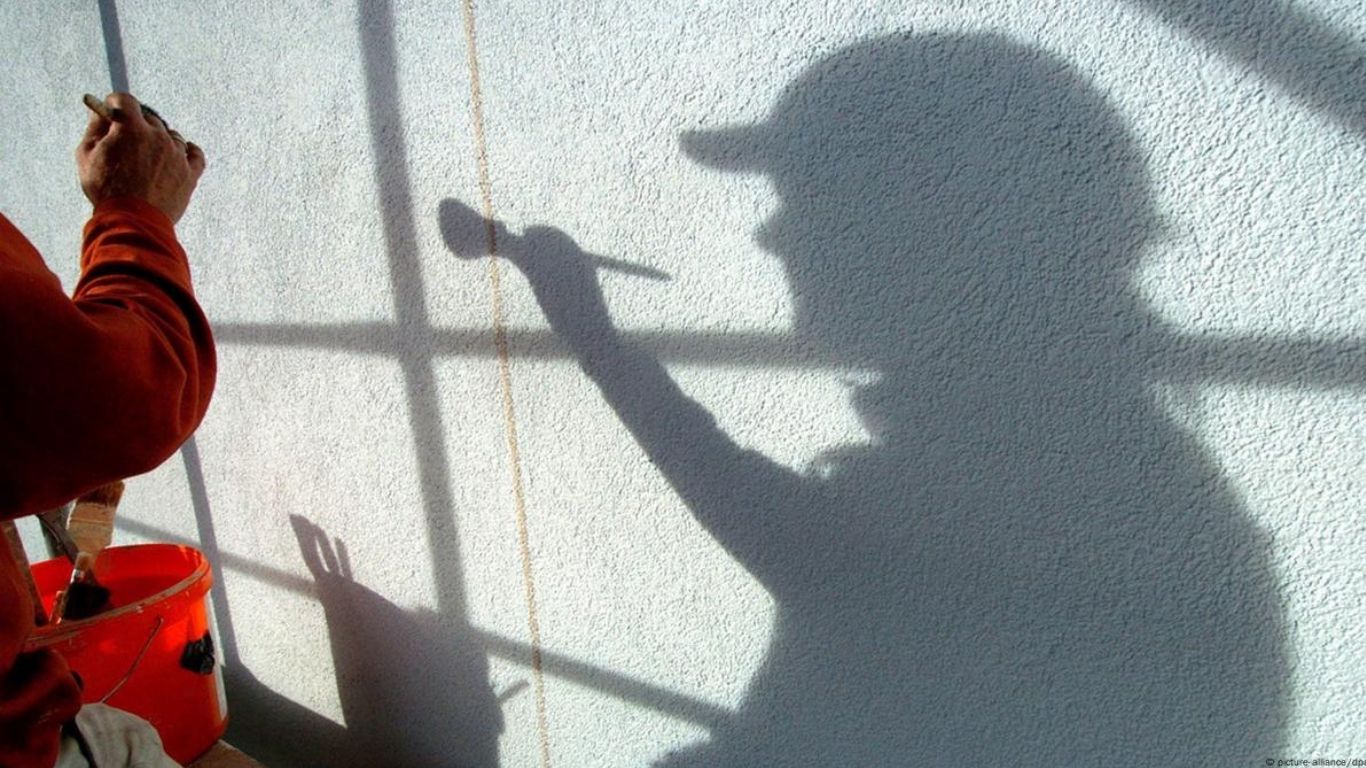
This perceived imbalance is driving what Schneider calls a “tax rebellion of the common man.” From teachers offering private tutoring to tradespeople doing under-the-table renovations, legal services are increasingly being conducted outside legal tax frameworks. And while these acts may seem minor, collectively, they represent a major challenge to the nation’s fiscal integrity.
Europe’s Middle Ground But Catching Up Fast
Compared to other European countries, Germany still sits in the middle of the pack when it comes to its shadow economy. Romania leads with around 30% of GDP in undeclared work, followed by Greece at 22%. But Germany’s recent trajectory is concerning. If left unchecked, its shadow economy could spiral into more deeply rooted systemic dysfunction.
Schneider’s methodology compares cash circulation data with official GDP, offering a reliable picture of hidden economic activity. His findings reflect a broader socio-economic trend: when legitimate work dries up, and public trust erodes, undeclared labor thrives.
Welfare and Work: A Troubling Intersection
Germany’s “Bürgergeld” or citizens’ income has also come under scrutiny. Meant to support the jobless and vulnerable, critics argue it now indirectly fuels undeclared work. With citizens’ income rising by more than 12% in 2024, outpacing inflation and wage growth, Schneider estimates 88,000 to 100,000 people left low-paying mini-jobs. These workers are now “urgently needed” in key sectors.
The implications are serious. In a tight labor market, where businesses are already struggling to fill roles, the combination of generous welfare and unreported income creates a perverse incentive to stay out of formal employment.
Labor Minister Bärbel Bas has acknowledged the problem. She warns of “mafia-like structures” exploiting welfare programs luring migrants, engaging them in illegal labor, and helping them fraudulently claim government benefits. It’s a toxic mix of welfare abuse and undeclared work, creating a system ripe for exploitation.
A Three-Tiered Income Strategy
The reality on the ground is complex. As job coach Markus Karbaum explains, many citizens are engaging in a three-pronged income strategy:
- A low-wage mini-job or part-time employment
- Undeclared cash earnings
- Supplemental income via Bürgergeld
In industries like hospitality, where legal earnings are often too low to survive on, employers themselves allegedly encourage workers to “get the rest from the job center.” This blurring of legal and illegal income streams not only erodes tax revenue but undermines the legitimacy of the welfare state.
Karbaum also points to a troubling entitlement mentality. Some recipients, he says, openly flaunt their misuse of the system showing up to welfare training in luxury cars and planning long overseas holidays while collecting public benefits. Though still isolated cases, he warns these behaviors highlight deeper structural flaws in oversight and coordination between government agencies.
Economic Malaise Breeds Shadow Growth
Germany’s economy has been shrinking for over two years, and growth forecasts for 2025 offer only modest optimism. During economic downturns, history shows that undeclared labor rises. Reduced shifts, fewer overtime hours, and dwindling job orders lead people to seek income elsewhere and the underground economy offers a fast, if illegal, solution.
As Schneider notes, the shadow economy is counter-cyclical: it expands when the formal economy contracts. That’s why tackling it requires more than enforcement it demands robust economic growth, job creation, and rebuilding public trust in government services.
Budget Pressures and the Cost of Welfare
Spending on labor and social affairs now accounts for over a third of Germany’s national budget. The 2025 allocation for citizen’s income alone is set to hit €52 billion, up €5 billion from 2024. With 5.64 million recipients, this includes nearly €30 billion in direct payments, €13 billion for housing subsidies, and €10 billion in administrative and job integration costs.
With such massive expenditures, ensuring efficiency and integrity in welfare delivery is paramount. Calls for better data coordination between job centers and enforcement agencies like customs are growing louder. Without stronger oversight, both the social system and the tax base risk further erosion.
The Road Ahead: Curbing the Crisis
The rise of Germany’s shadow economy is a symptom, not just a cause. It reflects a deeper disillusionment with public institutions, a strained economy, and growing inequity. Solutions will require multifaceted reform from tax incentives and better public services to tighter welfare monitoring and labor market revitalization.
As Schneider underscores, only a booming economy can truly reverse this trend. Until then, Germany’s underground economy will continue to thrive in the shadows, quietly undermining the very foundation of its social and fiscal order.