

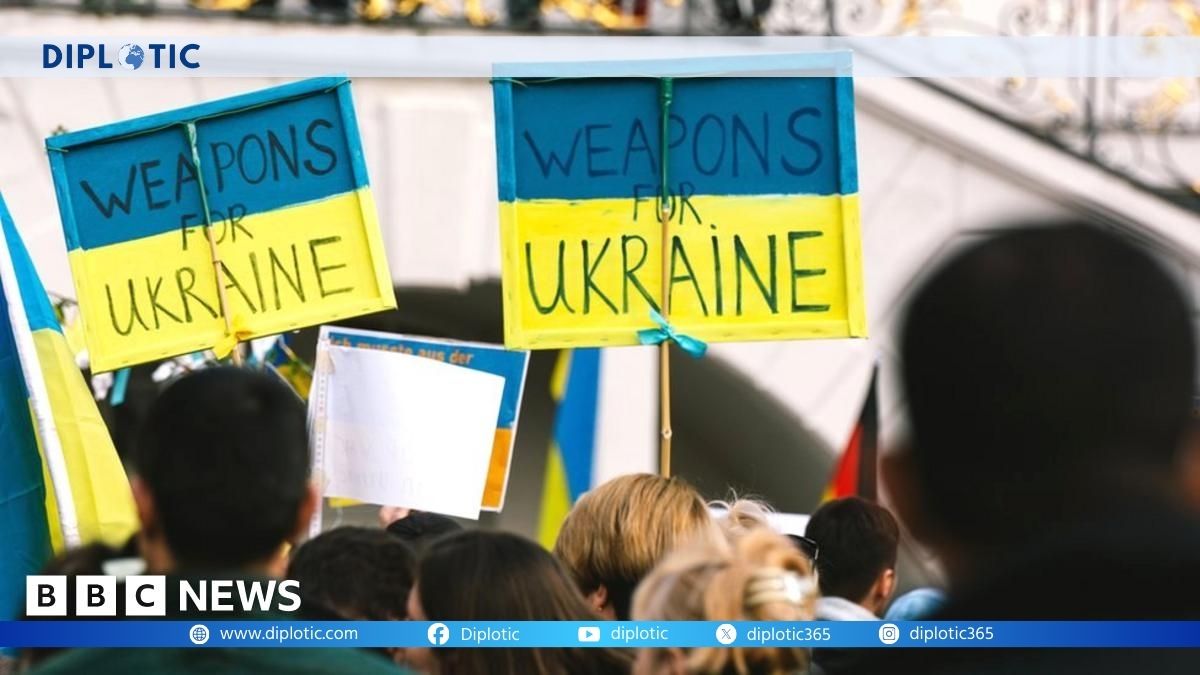
Four years after Russia’s full-scale invasion of Ukraine began on February 24, 2022, the conflict remains one of the defining challenges of the early 21st century. In late February 2026, representatives from the United States, Ukraine, and Russia met in Geneva for a new round of talks aimed at exploring pathways to de-escalation. These discussions, held under Swiss mediation, focused on ceasefire monitoring mechanisms, humanitarian corridors, prisoner exchanges, and possible confidence-building measures along the current line of contact. No major breakthrough was announced, but both sides described the meetings as “serious” and “constructive,” with plans for follow-up sessions in the coming weeks. The Geneva format arrives at a moment when battlefield gains have slowed, economic pressures are mounting on all parties, and public fatigue with the war is growing in many countries. President Volodymyr Zelenskyy has continued to emphasize Ukraine’s goal of full territorial restoration and integration into Western institutions, while Russia insists on recognition of its claimed territories and guarantees against NATO expansion. These latest talks raise a central question: do they represent a genuine opening for diplomacy, or are they another chapter in a long series of stalled negotiations? Understanding the positions, the context, and the broader global dynamics offers a clearer view of whether peace remains possible or if the conflict is settling into a prolonged stalemate.
What Were the Key Positions Presented at the Geneva Meetings?
The United States entered the talks stressing the need for a verifiable and durable ceasefire as a first step toward broader negotiations. American officials reiterated support for Ukraine’s sovereignty and territorial integrity while expressing willingness to discuss security arrangements that could address Russia’s stated concerns about NATO’s eastward presence. They also pushed for immediate humanitarian measures, including the release of civilian detainees and the establishment of safe corridors for grain exports and medical evacuations.
Ukraine’s delegation, led by senior diplomats close to President Zelenskyy, maintained its long-standing line: any ceasefire must be accompanied by a full Russian withdrawal to the internationally recognized borders, including Crimea and the Donbas regions occupied since 2014. Kyiv emphasized that no territorial concessions would be made and that security guarantees—preferably through NATO membership or bilateral treaties with major powers—remain non-negotiable. Ukrainian representatives also highlighted the need for robust international monitoring of any truce, pointing to past violations of earlier agreements such as Minsk I and Minsk II.
Russia’s position, as presented by its negotiators, centered on the recognition of the four regions annexed in September 2022—Donetsk, Luhansk, Zaporizhzhia, and Kherson—as part of the Russian Federation. Moscow also repeated its demand for formal neutrality from Ukraine, limits on the size and capabilities of its armed forces, and legally binding assurances that NATO will not expand further eastward. Russian officials described the current front line as a realistic starting point for discussions and expressed readiness to discuss prisoner exchanges and limited humanitarian steps but rejected any framework that does not address their core security concerns.
The Swiss hosts played a facilitating role, emphasizing the need for incremental progress rather than an all-encompassing deal. No joint statement was issued, but separate briefings from each side indicated agreement on continuing technical-level talks on humanitarian issues while the political questions remain far apart.
How Has the Battlefield Situation Influenced the Timing of These Talks?
The military picture on the ground has stabilized into a pattern of attrition. Russia maintains control over approximately 18–20% of Ukraine’s pre-2014 territory, with incremental advances in the Donetsk region but no major breakthroughs. Ukraine has held key defensive lines, particularly around Pokrovsk and Chasiv Yar, while conducting limited counter-attacks and deep strikes using Western-supplied long-range systems. Casualty rates remain high on both sides, with neither able to achieve decisive maneuver due to extensive fortifications, drone surveillance, and artillery dominance.
Winter conditions have slowed large-scale operations, creating a window for diplomacy. Both sides face resource constraints: Russia relies on North Korean munitions and Iranian drones, while Ukraine depends on sustained Western aid that faces increasing political scrutiny in several donor countries. The economic toll is mounting—Ukraine’s infrastructure is heavily damaged, and Russia faces growing sanctions pressure and labor shortages.
These realities help explain the timing of the Geneva talks. Neither side is in a position to force the other to capitulate, yet both face mounting costs that make a frozen conflict or negotiated pause more attractive than endless escalation. The discussions also reflect external pressures: European governments are seeking ways to stabilize energy markets and reduce migration flows linked to the war, while the United States aims to manage its strategic commitments without abandoning Ukraine.
What Role Are Global Powers Playing in Shaping the Diplomatic Path?
The European Union remains Ukraine’s strongest institutional supporter, providing financial aid, military equipment, and a clear membership perspective. Most EU member states back Kyiv’s position on territorial integrity and push for stronger sanctions on Russia. However, fatigue is visible in some capitals, with debates over the sustainability of aid packages and the need for a negotiated end.
The United States continues to lead Western military support while encouraging Europe to take greater responsibility. Washington has signaled flexibility on security arrangements that could address Russia’s concerns without offering NATO membership in the near term. China has maintained formal neutrality but has increased economic engagement with Russia, providing a lifeline that reduces Moscow’s incentive to compromise. India, Brazil, and several African nations have called for talks without endorsing either side’s maximalist demands, reflecting the Global South’s reluctance to fully align with Western positions.
Turkey has positioned itself as a potential mediator, hosting previous rounds of talks and facilitating grain export agreements. Switzerland, as the host of the Geneva format, brings a reputation for impartiality and a track record in humanitarian diplomacy. These varied roles create a complex diplomatic landscape where bilateral channels coexist with multilateral efforts, making a unified breakthrough difficult but incremental progress possible.
What Does the Future Hold for Ukraine’s European Path and the War’s Endgame?
Four years into the conflict, Ukraine has secured candidate status for EU membership and opened formal accession talks, a remarkable achievement given the ongoing war. Practical integration—through energy market coupling, visa-free travel, and alignment on many EU laws—has advanced faster than the formal process. Yet full membership remains distant, likely requiring a decade or more even if peace is achieved soon.
The war itself shows no clear path to resolution. A negotiated settlement would require compromises that both sides currently reject: Ukraine on territory, Russia on neutrality and security guarantees. A frozen conflict remains the most plausible near-term outcome, with periodic flare-ups and long-term tension along the line of contact. External factors—Western unity, Russian domestic stability, and China’s stance—will heavily influence the trajectory.
The Geneva talks and Ukraine’s EU ambitions connect the immediate realities of war to the long-term vision of a European future. Progress on the diplomatic track remains limited, but the fact that talks continue at all suggests neither side sees endless fighting as sustainable. For Ukraine, the dual pursuit of battlefield resilience and European integration represents a strategy of endurance and anchoring. For the broader world, the conflict tests the durability of the post-1945 European security order and the ability of democracies to support a partner under sustained attack. The coming months will show whether incremental diplomacy can create breathing room or if the stalemate simply hardens. Either way, the anniversary serves as a sobering reminder that peace, when it arrives, will require difficult choices and sustained commitment from all involved.




