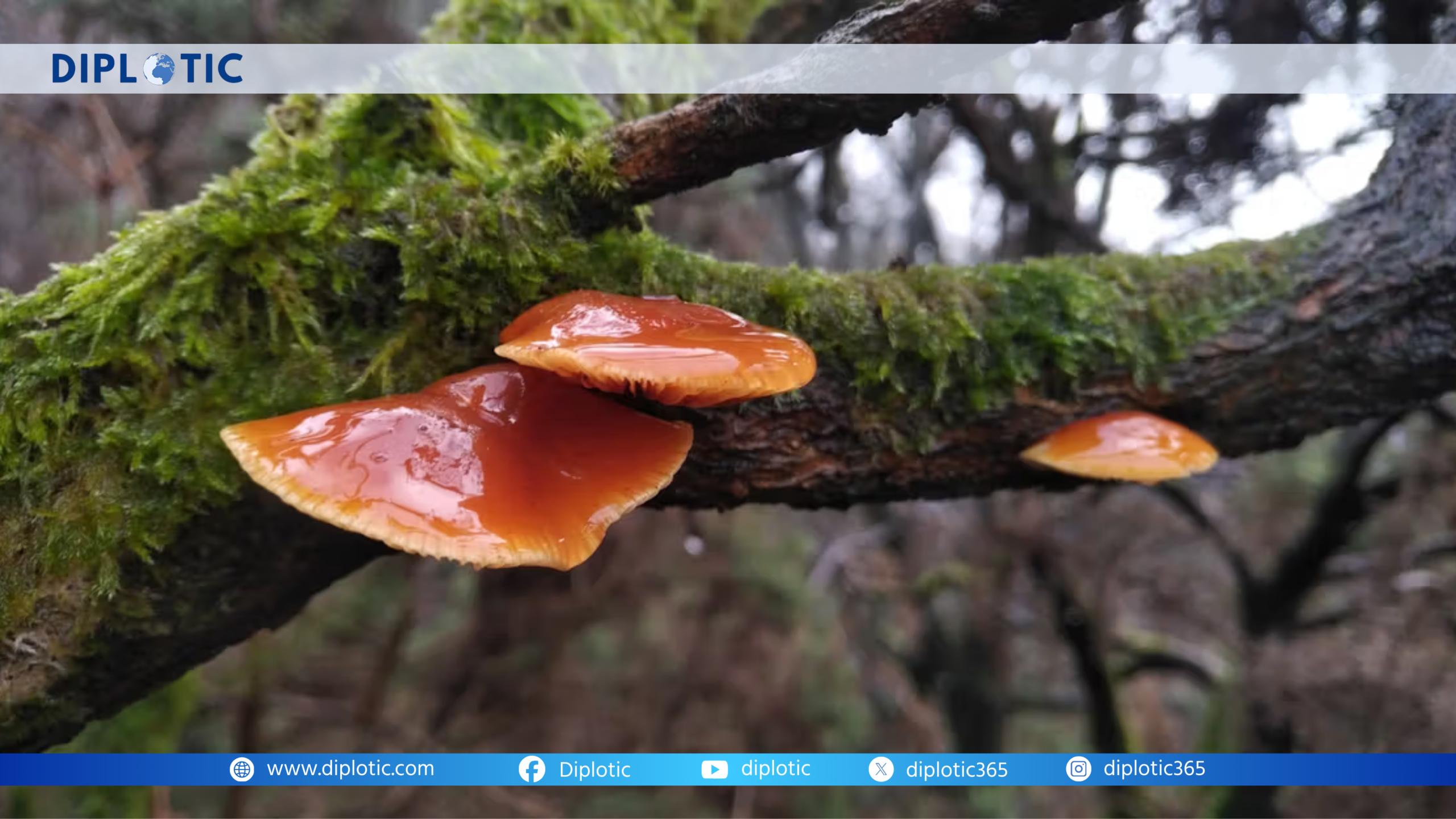
Tiny living things hidden in the soil might play a bigger part in our skies than anyone thought. For years, people have looked for safe ways to make rain fall where it is needed or to keep food fresh in freezers. Now, fresh research shows that some common fungi carry special proteins that turn water into ice at temperatures not far below freezing. Scientists from Virginia Tech and other places around the world found these proteins after careful study of soil fungi. Their work, published just days ago in Science Advances, raises new questions about how nature works and how humans might use it better. The discovery links old natural processes to new tools for weather, food, and health.
How did scientists first spot these water-freezing fungi?
The story starts with simple questions about what lives in the ground. Fungi from the Mortierellaceae family grow in many soils worldwide. For a long time, experts knew some fungi could start ice forming, but they did not know exactly how. Back in the early 1990s, tests showed that certain fungi could make ice crystals appear at warmer cold temperatures than most other things. Yet the exact protein behind it stayed hidden until better tools arrived.
A team led by Boris A. Vinatzer at Virginia Tech, along with Xiaofeng Wang and partners in Germany and elsewhere, took a closer look. They used new DNA sequencing methods to read the full genetic code of these fungi. Computers helped them search through thousands of genes. That is when they found the match. The fungi make a protein that sits outside their cells and works like a starter button for ice. Unlike older findings, these proteins float free in water and do not need the whole fungus cell to act.
This step took years of steady work. The researchers grew the fungi in labs, tested water drops with them, and watched ice form at temperatures around minus five to minus ten degrees Celsius. That is warmer than many natural ice makers need. They also checked related fungi and saw the same ability in several kinds. The finding fits with earlier hints from nature studies, where ice in clouds and rain sometimes traced back to soil life. But until now, no one had pinned down the exact fungal protein or its family link.
One angle stands out here. Most known ice starters come from bacteria that live on plants or in water. Those bacteria need their full cell walls to work well. The fungal version is simpler and cleaner. This difference gives scientists new ways to think about how living things share tricks over time. It also shows how advances in gene reading changed what we can learn. Without those tools, the protein might have stayed unknown for decades more. The team’s careful tests ruled out mistakes and confirmed the proteins work even when separated from the fungus. That clear proof opened the door to real uses ahead.
Could these fungal proteins replace dangerous chemicals used to seed clouds?
Cloud seeding is a process people have tried for decades to bring rain to dry areas or clear fog at airports. The idea is simple. Tiny particles go into clouds to help water droplets turn into ice. Those ice bits grow bigger, fall, and melt into rain on the way down. The usual particle is silver iodide. It works, but it carries risks. Silver iodide can build up in soil and water over time and may harm plants, animals, and people.
The new fungal proteins offer a cleaner choice. They start ice at similar warm cold levels as silver iodide, yet they come from nature and break down more safely. If scientists learn to make enough of the protein at low cost, they could spray it into clouds instead. Vinatzer explained that the goal is safer weather control. The protein is water-soluble and does not need whole cells, so it spreads easily and leaves less waste.
Think about the bigger picture. Many countries use cloud seeding during dry seasons to help farms. Yet worries about chemicals slow wider use. A fungal option changes that conversation. It comes from soil fungi that already float into the air naturally, so adding more of their protein feels closer to what happens in nature every day. Tests show the fungal starter works well in lab clouds, and the team now studies how much it might help real weather systems.
Another angle adds depth. Ice in clouds also affects how much sunlight reaches Earth. More ice means different patterns of heat and rain. Using fungal proteins could let experts fine-tune seeding without adding new toxins. This matters in a time when weather patterns shift and water shortages grow in some places. The research does not promise quick fixes, but it gives a fresh tool that feels more natural and less risky than old methods. Early talks suggest production could start small and grow if safety checks pass.
Where did fungi get this ice-making power, and why does it matter?
The origin story surprises even the scientists. The gene for the fungal protein looks very much like one from bacteria. Evidence points to horizontal gene transfer. That means a fungal ancestor picked up the gene from a bacterium hundreds of thousands or even millions of years ago. Fungi do not often take genes this way, so the find caught the team off guard.
Over long periods, the fungi changed the protein to work even better. It became free-floating and water-soluble, unlike the bacterial version stuck in cell walls. No one yet knows exactly why the fungi kept this ability. Maybe it helped them survive cold snaps or spread spores. The protein might protect the fungus in icy conditions or help it reach new homes.
This transfer story connects to larger ideas about life on Earth. Genes move between different kinds of organisms more than we once thought. Studying it helps explain how fungi and bacteria share survival tricks. It also raises questions about other hidden abilities in soil life. Parallel work on plant bacteria showed similar ice starters, but the fungal version stands apart because it is cleaner for human use.
The timeline adds context. Early 1990s tests spotted fungal ice power, but full gene details waited for modern sequencing. That delay shows how science builds step by step. Now, in 2026, the full picture is clear. The ancient gene move gave us a modern gift. Scientists wonder if other fungi hold similar surprises. This angle makes the discovery feel part of a bigger web of life rather than a single find.
How could this finding improve frozen foods, medical storage, and our view of climate?
Practical uses reach beyond weather. In food factories, quick freezing keeps taste and safety high. Bacterial ice starters need whole cells, which can add unwanted bits to food. The fungal protein is just one clean molecule. Factories could add measured amounts to freeze items faster and safer. That means better ice cream, frozen fruits, or ready meals without extra risks.
Medical freezing brings another clear gain. Doctors store cells, sperm, eggs, and tissues at very low temperatures. The problem is that water inside cells can form damaging ice if cooling happens too slowly. Adding a small amount of fungal protein starts freezing earlier, at warmer cold levels. This protects delicate parts without adding whole bacteria. Vinatzer noted the molecule’s small size makes it ideal here.
Climate models gain too. Clouds hold ice that changes how sunlight bounces back to space. Better knowledge of natural ice starters helps models predict rain, heat, and storms more accurately. Researchers can now test for these fungal proteins in real air samples. Over time, that data could sharpen forecasts and improve understanding of climate shifts.
Different angles tie together. The same protein that might seed clouds safely also helps kitchens and hospitals. It shows how one natural find touches many parts of life. Questions remain about amounts in nature and long-term effects, but the path forward looks promising. The team continues tests to measure real-world impact.
In the end, this work links ancient gene sharing in soil to tools we might use tomorrow. What began as curiosity about fungi in the ground now points to safer rain, better food, and clearer climate pictures. As scientists keep exploring, these small proteins could quietly shape bigger changes in how we live with nature.