A new ECB study finds that Chinese product dumping in Europe began long before U.S. tariffs. Weak domestic demand, excess manufacturing capacity and shifting import behavior are driving Beijing’s export surge. Here’s what it means for Europe’s economy and global trade.
China’s Export Flood: A Deepening Challenge for Europe
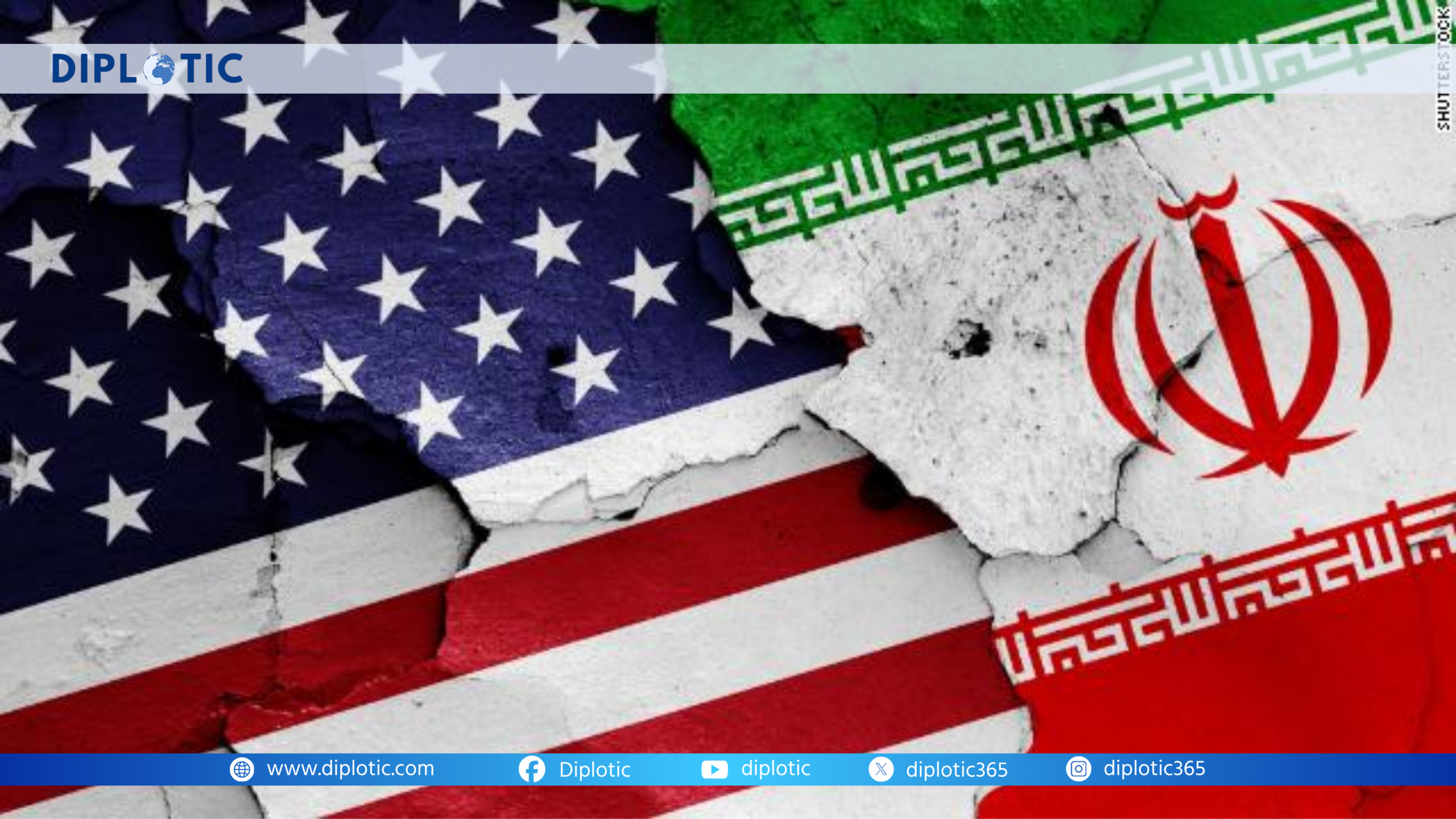
Europe is facing a surge of low-priced Chinese goods, raising fears of market disruption, factory closures and new tensions in global trade. But according to a new study by the European Central Bank, this wave of ultra-cheap imports did not begin with the most recent U.S.-China tariff battles—despite growing political claims that Washington’s aggressive trade actions have pushed Chinese producers into Europe. The ECB argues that the flood started years earlier and is tied far more closely to China’s weakening domestic economy than to any external tariff shock.
This new explanation has serious implications for policymakers in Brussels. If Europe’s import challenges are rooted in China’s economic slowdown, rather than in short-term U.S. policies, the issue may prove deeper and more persistent. The ECB study suggests that Europe is dealing not just with diverted goods but with structural oversupply from a manufacturing giant struggling with slumping demand at home. That means Chinese dumping may continue, even intensify, regardless of future U.S. trade decisions.
The key question now is whether Europe has the tools or political unity to respond. And as China’s internal economic pressures mount, European manufacturers fear a prolonged battle for market share.
China’s Weak Domestic Demand: The Starting Point of the Dumping Trend
The ECB report traces the origins of the dumping surge back to 2021, long before Washington introduced its most recent set of tariffs on Chinese products. In that year, China’s property sector began a steep decline after years of rapid expansion. A housing downturn quickly depressed domestic consumption, hurting industries that rely heavily on new construction, such as steel, cement, appliances and machinery.
These sectors are all import-sensitive, and when demand collapses, the shock spreads throughout the economy. Chinese companies found themselves with rising inventories, falling orders and increased pressure to keep production lines running. The ECB notes that this domestic slowdown—not U.S. tariffs—is when Chinese exports to the European Union began rising at an unusually fast pace.
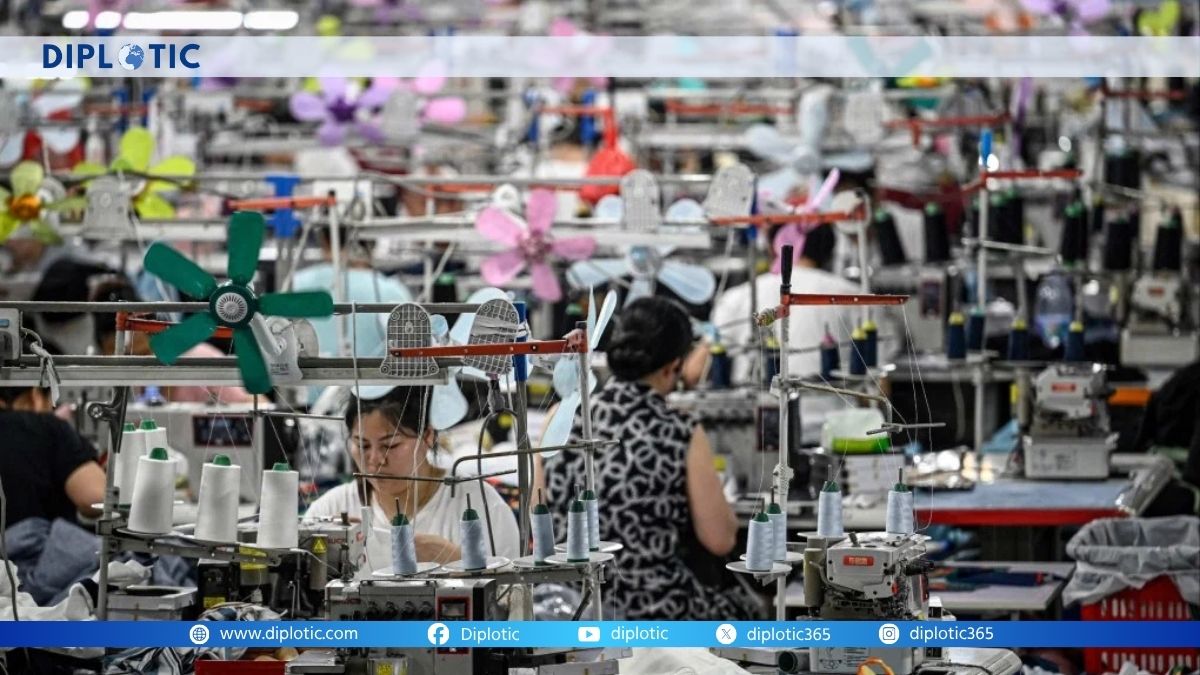
At the same time, Beijing encouraged state-led manufacturing investment as a way to stabilize growth. Local governments and state-backed firms poured money into factories, boosting production capacity even as domestic demand weakened. This produced a classic economic mismatch: too much supply, not enough buyers.
The result was predictable. Companies began lowering prices, engaging in internal price wars and eventually turning to foreign markets to offload excess product. To succeed abroad, firms cut marginal costs, slashed prices and accepted slimmer profits—even losses. This strategy, which the ECB describes as a push for “short-run competitiveness,” has left European manufacturers struggling to compete with goods priced far below market norms.
The U.S. Tariff Narrative: A Partial but Misleading Explanation
For months, Western analysts have argued that U.S. tariffs on Chinese imports—especially those targeting electric vehicles, solar panels, batteries and other strategic goods—forced Beijing to look for alternative markets. The logic is simple: when Chinese goods become expensive in the United States, exporters redirect shipments to Europe, where tariffs are lower and market access is easier.
The ECB does not deny that U.S. trade actions may be intensifying the trend. But the key point is that the pattern began much earlier, before the most recent round of tariffs. The timing matters because it reveals something deeper than simple diversion. It shows that China’s own economic weaknesses are the primary engine behind the export wave.
The ECB’s analysis finds that Chinese export growth to the EU accelerated significantly before the U.S.-China trade tensions reached their latest peak. In fact, the surge aligned almost perfectly with the start of China’s domestic slowdown—not with U.S. tariff announcements.
This also means that even if the United States paused or reversed its trade actions, Europe would still face a surge of low-priced Chinese goods as long as China’s domestic demand remains depressed.
For European industries—from electric vehicles and solar technology to chemicals, steel and manufacturing machinery—that is an unsettling reality.
A New Phase in China’s Import Behavior: Why the Trade Gap Is Still Growing
While exports out of China have surged, imports into the country have been weakening. The ECB identifies several drivers behind this shift, and together they suggest that China’s trade patterns are undergoing a long-term transformation.
First, Chinese households are spending less on consumer goods as economic confidence weakens. A slow labor market, declining property values and rising savings rates point to cautious consumers who buy fewer imported products.
Second, Beijing has doubled down on self-reliance in manufacturing. China is aggressively prioritizing domestic production of strategic goods—batteries, semiconductors, renewable technologies and industrial equipment. This reduces demand for foreign components and shifts public investment toward local alternatives.
Third, trade policies, including new import restrictions and domestic subsidy programs, are reinforcing this inward focus.
Taken together, these factors are widening China’s trade surplus with Europe. When a country imports less and exports more—especially at lower prices—the trade gap grows. The ECB warns that this imbalance is likely to persist, pointing toward a structural shift in China’s role in the global economy.
This shift will shape trade tensions for years, not months.
What Europe Can Expect Next—and Why the Issue Won’t Fade Soon
Europe now faces a difficult challenge. Chinese dumping is not merely a reaction to geopolitical tensions; it is a symptom of China’s broader economic transition. Weak demand, excess capacity and a push for export-led stability mean that Europe is likely to face continued pressure from cheap Chinese goods.
European officials are already debating new defensive measures: anti-dumping duties, stricter import controls and more aggressive industrial subsidies. But any response must consider the scale and persistence of China’s internal problems. Unlike a temporary trade dispute, China’s economic rebalancing could take years, even decades.
The risk for Europe is clear: a prolonged influx of underpriced imports could undermine entire industries, from green technology to heavy manufacturing, at a moment when the EU is trying to build domestic capacity and reduce dependencies.
For now, the ECB’s message is blunt. The export wave is not temporary, and it is not caused only by U.S. tariffs. It is rooted in China’s structural slowdown—and Europe must prepare for a long-term challenge.