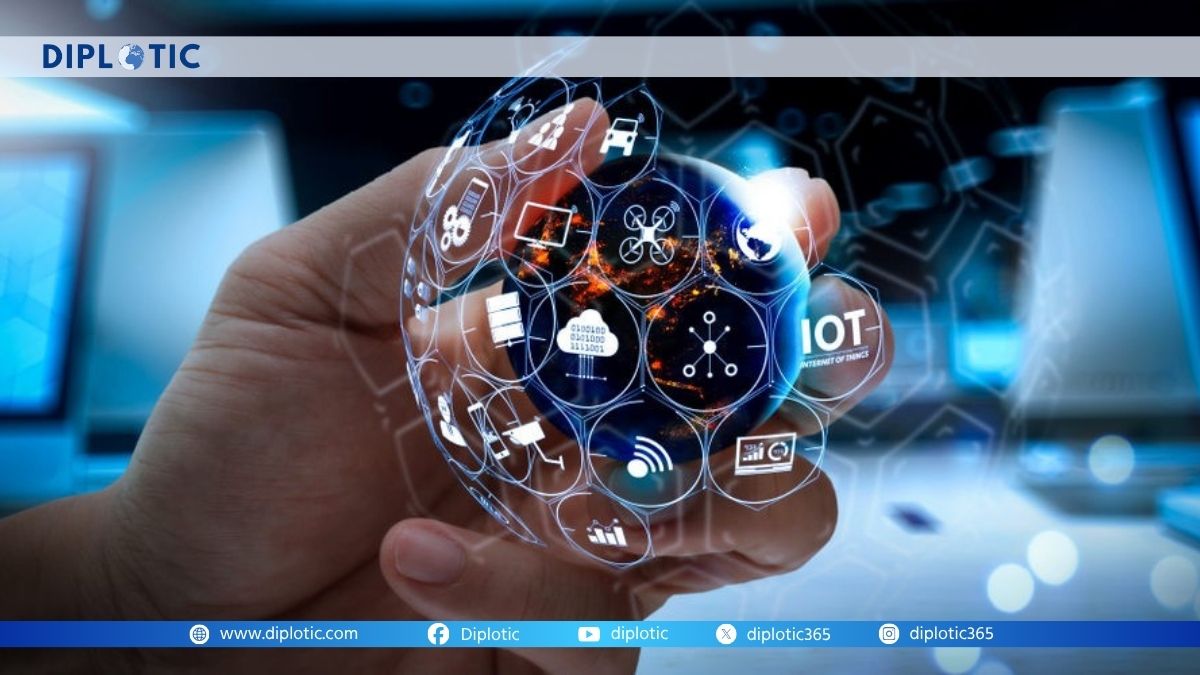
Emerging technologies are rapidly transforming the geopolitical landscape, redefining the balance of power among nations and sparking intense competition for technological supremacy. As innovations in artificial intelligence, quantum computing, cybersecurity, and data sovereignty advance, the stakes and risks of global diplomacy are rising to unprecedented heights.
The Digital Arms Race: Beyond Silicon and Code
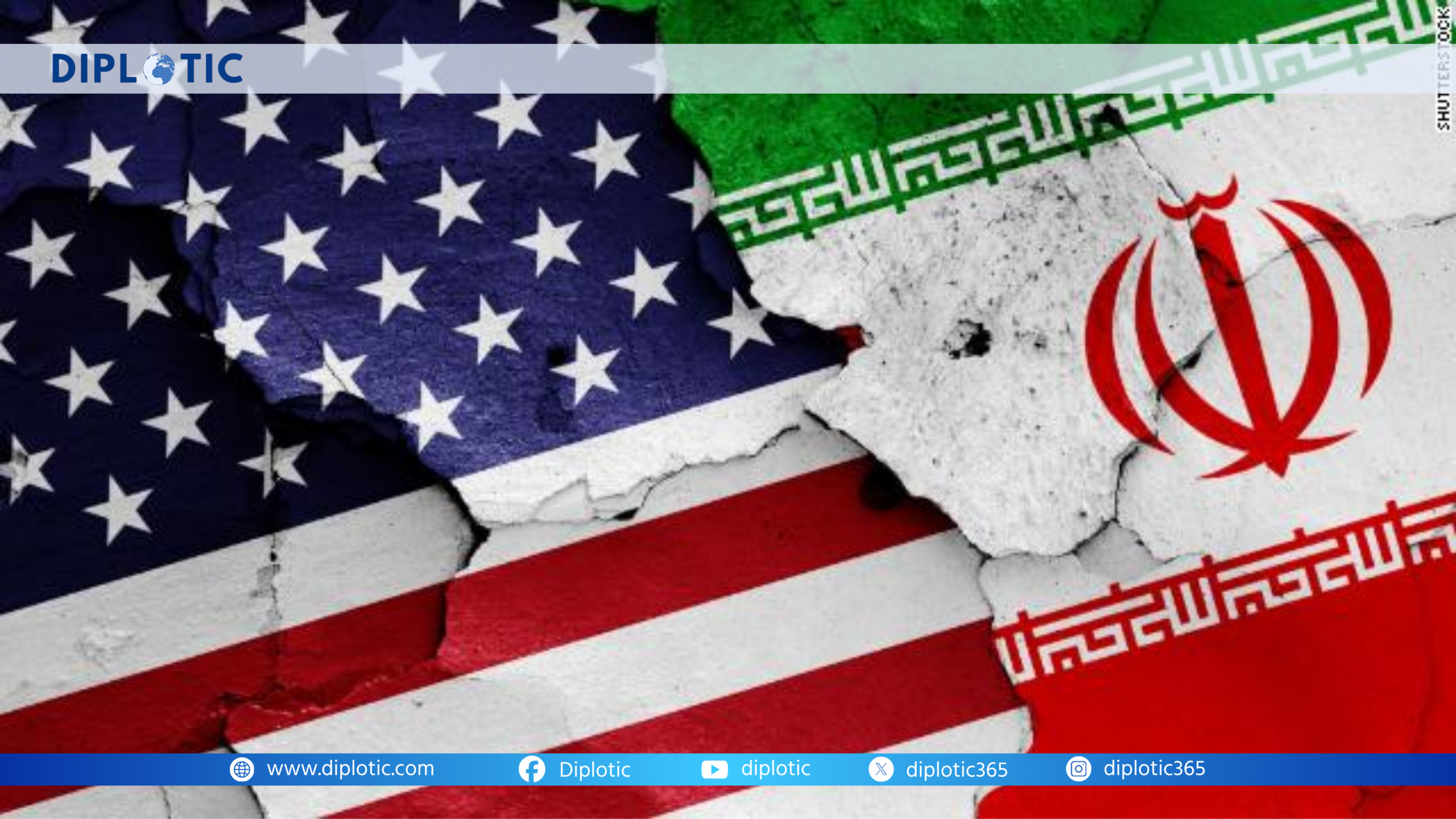
The escalating rivalry between the United States and China is intensifying the race for technological dominance, propelling the world into a new era where data becomes the ultimate strategic asset. Unlike traditional superpower contests over territory or military prowess, today’s battles are fought over algorithms, semiconductor supremacy, and control of digital infrastructure. The struggle for AI and quantum leadership is not only economic it fundamentally influences national security, diplomatic leverage, and ideological influence across continents.
Data Sovereignty and Digital Fragmentation
In 2025, data sovereignty has emerged as a decisive factor in international relations. Countries are exerting greater control over cross-border data flows, introducing tougher regulatory frameworks to protect digital assets, and enforcing “digital sovereignty” to limit foreign influence. This fragmentation threatens the seamless global exchange of information, forcing nations to realign their alliances based on shared technological standards and cybersecurity protocols.
Quantum Computing: The New Frontier of Security
Quantum computing’s disruptive power is rewriting the rules of encryption and digital defense. Nations that lead in quantum technologies gain the ability to break conventional cryptographic codes, compelling rivals to invest in quantum-resistant systems. The potential misuse of quantum computing to disable critical infrastructure or penetrate secure communications has raised the specter of quantum-enabled cyber warfare, necessitating urgent international dialogues on ethical use and control treaties.
Artificial Intelligence: Autonomous Impact
AI continues to penetrate defense, intelligence, and policymaking, introducing both opportunity and risk. The deployment of autonomous weapon systems, enhanced surveillance, and predictive analytics reshapes the capabilities of state and non-state actors. However, unchecked AI proliferation without ethical governance could destabilize security, escalate arms races, and raise concerns about accountability in wartime scenarios.
Blockchain and the Battle for Trust
Blockchain technology, once synonymous with cryptocurrencies, now serves as a backbone for transparent, tamper-resistant digital transactions and supply chain management. Nations harness blockchain to protect diplomatic communications, authenticate defense procurement, and bolster trust in decentralized systems. These innovations not only enhance operational efficiency but also challenge traditional gatekeepers and promote new forms of digital diplomacy.
Cybersecurity: Defending the New Infrastructure
As energy grids, health systems, and transportation networks digitize, their vulnerability to cyberattacks becomes a top geopolitical risk. Incidents targeting national critical infrastructure have demonstrated the capability to disrupt entire economies and expose strategic weaknesses. Governments are now prioritizing cyber resilience in their industrial policies, whether by supporting indigenous semiconductor manufacturing, investing in digital defenses, or forging multilateral agreements for threat intelligence sharing.
Climate Change and Technological Alliances
Climate risk also intersects with technology in shaping global stability. Innovations in renewable energy and climate-focused digital tools are recalibrating international partnerships, with countries vying to become green tech leaders. Disputes over access to these technologies, intellectual property, and control of rare minerals intensify traditional geopolitical tensions and trigger new forms of competition.
Conclusion: The Imperative for Global Governance
The march of emerging technologies has not only disrupted long-standing power structures but also underscored the urgent need for global governance. Treaties addressing AI and quantum ethics, cyber norms, and responsible innovation are essential to mitigate the risks of unchecked technological competition. The quest for digital dominance challenges nations to forge alliances, adapt industrial strategies, and prioritize cyber resilience, reshaping the very foundations of geopolitics for the digital age.
In this era of rapid transformation, those who harness emerging technologies not only secure economic advantage but also redefine the contours of global power. The digital battlefield is dynamic, making collaboration and robust regulatory frameworks imperative for international security and prosperity.