A Lasting Legacy of Tragedy
August 6 and 9, 2025, mark 80 years since the bombings of Hiroshima and Nagasaki. These dates are etched into global memory as moments of both horror and awakening. More than 200,000 people died as a result of the bombings, and survivors—known as Hibakusha—continue to live with the physical and emotional scars. For decades, the world promised “never again,” yet nuclear weapons remain a defining feature of global security policies. While new treaties and movements have emerged, the commitment to total disarmament remains elusive. The anniversaries remind us not only of a past tragedy but of a dangerous present and uncertain future.
Catholic Sisters’ Anti-Nuclear Advocacy
Since the 1980s, Catholic sisters in the United States and abroad have been central figures in the anti-nuclear movement. Many, like Sr. Carol Gilbert and Sr. Pat McCormick, began their advocacy in the Cold War era, organizing vigils, protesting at military bases, and even facing arrest. Their faith-based activism connects deep spiritual conviction with public resistance. Now in their 70s and 80s, these sisters show no signs of giving up. Their efforts have been instrumental in pushing for peace-centered dialogue and have helped keep the issue alive even as it faded from public view. Their persistence is a powerful example of moral clarity and civic responsibility.
Progress and Challenges in Disarmament
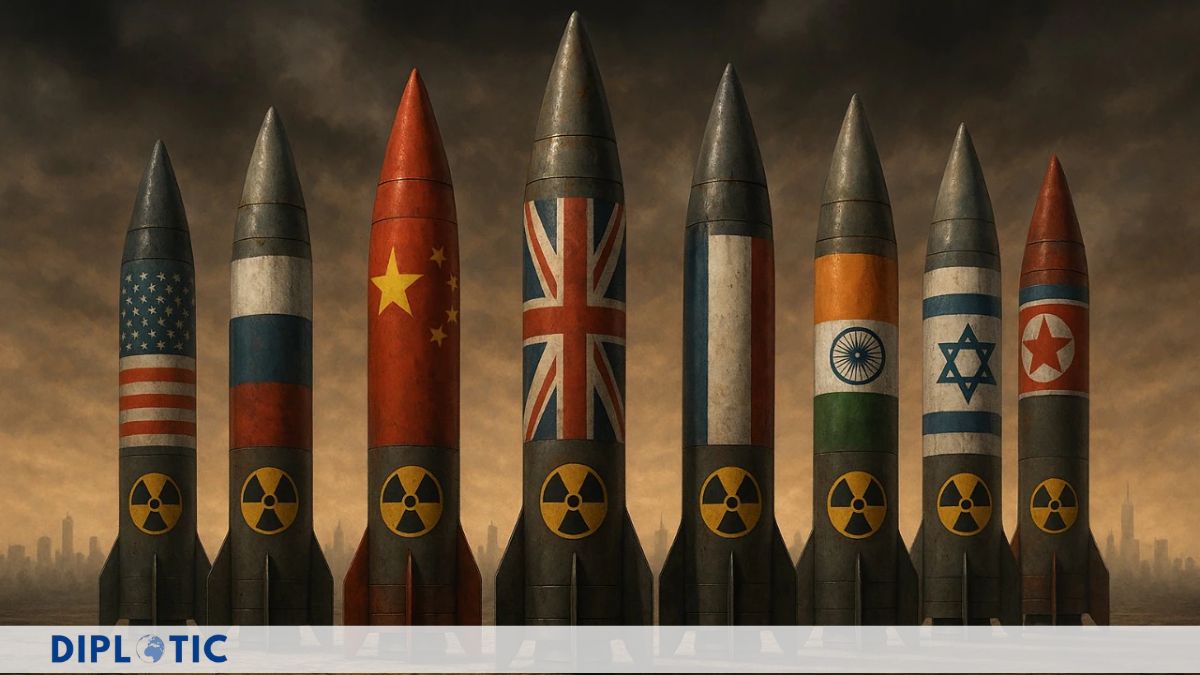
There have been real victories in the global movement to ban nuclear arms. The 2017 Treaty on the Prohibition of Nuclear Weapons (TPNW), backed strongly by the Vatican and celebrated by peace organizations like ICAN, was a major step forward. It showed that global civil society could influence international law. Ninety-four countries have signed the treaty so far, and ICAN received the Nobel Peace Prize the same year. Yet the United States, Russia, and China—all major nuclear powers—have not joined. This limits the treaty’s power and reveals the gap between global aspirations and geopolitical reality. Activists believe that until major powers commit, nuclear abolition will remain out of reach.
Media Fragmentation and Public Awareness
One of the greatest challenges facing the anti-nuclear movement today is the fractured nature of media. In the 1980s, a film like “The Day After” could provoke national reflection. Mass protests could draw millions. But now, with thousands of competing media platforms and polarized audiences, collective conversations are rare. As Sr. Pat McCormick observes, people are overwhelmed by multiple crises: climate change, economic instability, and geopolitical conflict. Nuclear threats no longer dominate headlines. As a result, many citizens remain unaware of ongoing arms development and the rising risk of accidental or intentional use.
Japan’s Complex Role
In Japan, August is a time of solemn remembrance. Sr. Shizue Hirota, based in Tokyo, highlights the importance of listening to the Hibakusha and preserving their stories. Yet she also insists that Japan must confront its full wartime history, including the atrocities committed by its Imperial forces across Asia. She believes Japan must both seek forgiveness and offer it. This dual legacy—of being both aggressor and victim—adds moral complexity to Japan’s anti-nuclear stance. It also deepens the country’s obligation to lead the movement for global disarmament, not just as a nation that suffered, but as one that has learned.
Nuclear Modernization Risks
Current policies in the United States and other nations include billions in funding to “modernize” nuclear arsenals. Officials argue this is necessary for national security, but peace advocates warn it simply increases the likelihood of disaster. Sr. Kathleen Kanet and Fr. John Pawlikowski both stress that building new, more advanced weapons does not make the world safer. Instead, it brings the globe closer to potential catastrophe. The logic of deterrence has not evolved, and until it does, weapons will remain in play—ready to be used either by design, accident, or miscalculation.
Youth and the Future of Activism
Despite these challenges, activists remain hopeful. Young people are stepping up. Pilgrimages to Hiroshima and Nagasaki by Catholic students, along with broader youth interest in global justice, show promise. Many younger activists are linking the nuclear threat with climate justice, indigenous rights, and anti-colonial struggles. Sr. Carol Gilbert says that what gives her hope is that young people “haven’t given up on the world.” They still believe change is possible. As a new generation finds its voice, the legacy of 80 years of struggle may yet inspire a future without nuclear weapons.