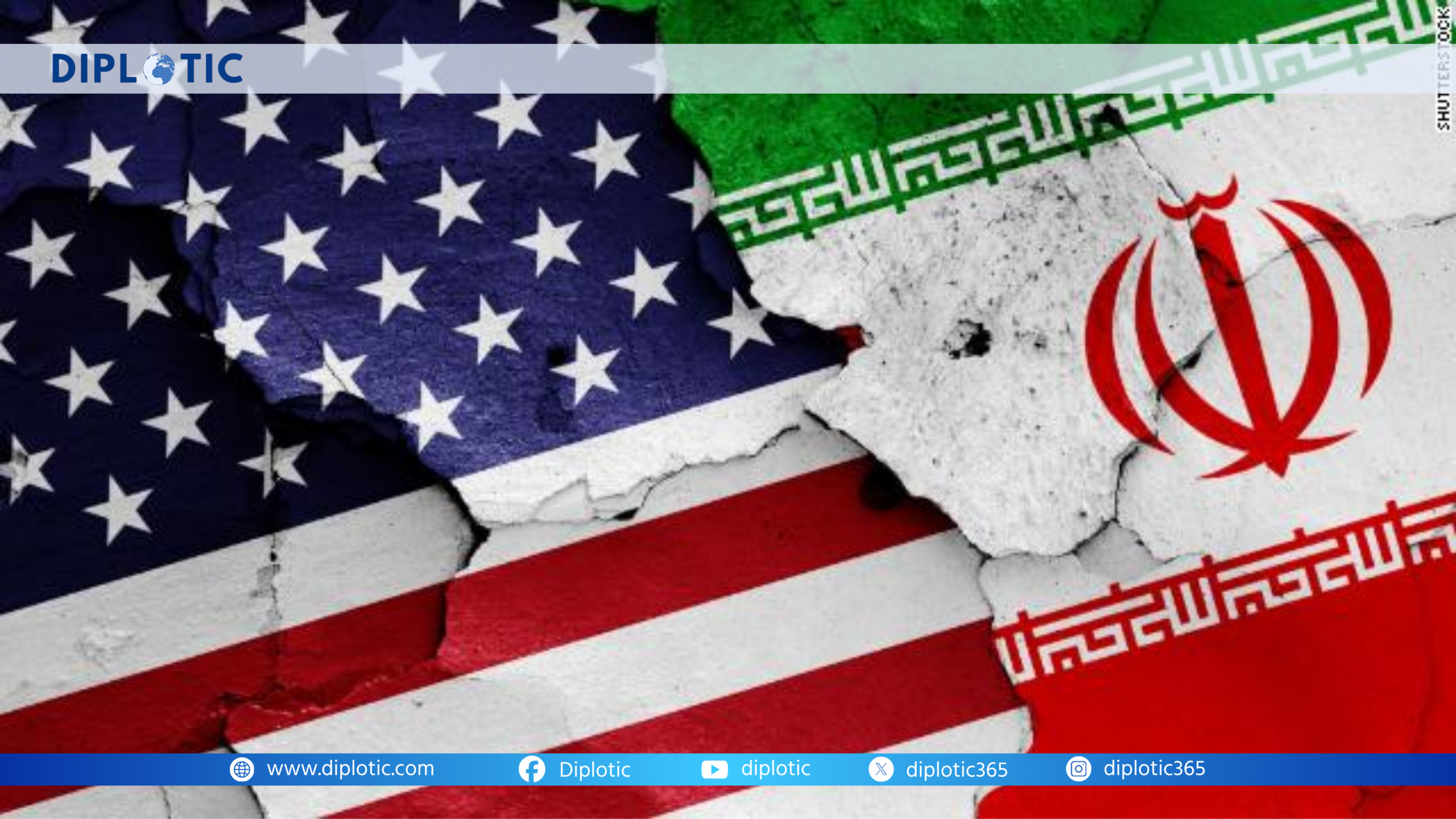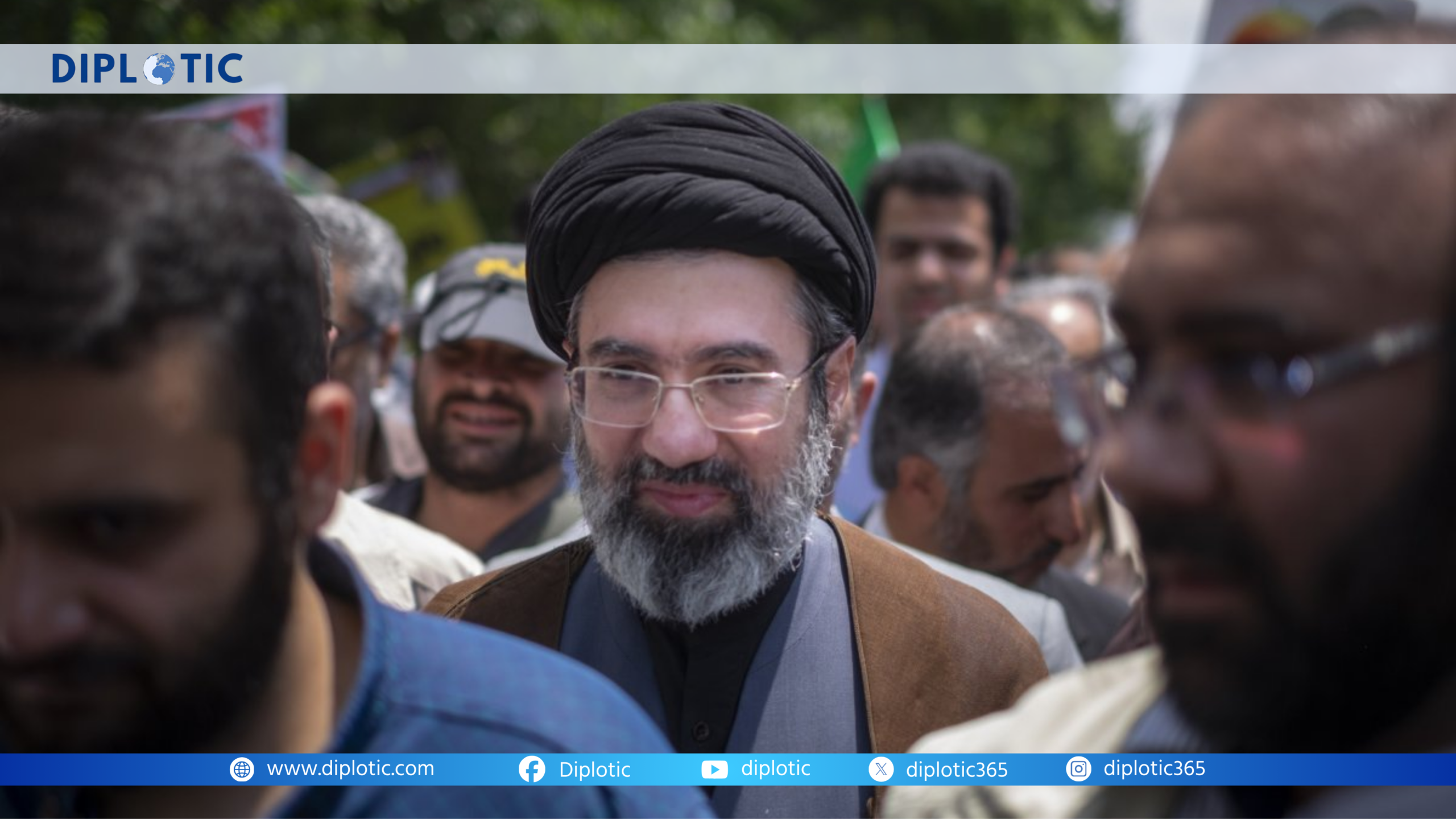
Iran moved quickly after the death of its long-time leader, Ayatollah Ali Khamenei. Within days, the Assembly of Experts announced a successor: his son, Mojtaba Khamenei. On paper, the transition looked orderly. Iran’s constitution provides a mechanism for choosing a new supreme leader, and the clerical body responsible for that decision appeared to act swiftly and decisively.
Yet the speed of the appointment raised deeper questions. Political transitions in revolutionary systems are rarely simple. Titles and formal procedures often mask the real distribution of power. The key question is not just who holds the title of supreme leader, but whether that title still represents the center of authority in Iran’s political system.
For decades, Iran has operated under a structure that mixes religious legitimacy with military power. Clerics provide ideological direction and constitutional authority. Security institutions enforce that authority. In times of stability, the two forces can balance each other. In times of crisis, the balance often shifts.
The appointment of Mojtaba Khamenei comes at a moment when Iran faces one of the most severe crises in its modern history. The country is involved in a growing regional conflict. Several senior political and military figures have been killed in recent strikes. Economic pressure remains intense, and domestic unrest has appeared repeatedly over the past few years.
Under these conditions, the importance of a supreme leader becomes more complicated than the title suggests. Iran’s system has always depended on institutions rather than individuals alone. The current transition therefore raises a deeper issue: whether real power in Iran still lies with the clerical leadership, or whether it has gradually shifted to the country’s powerful security establishment.
Understanding this question requires a closer look at the structure of Iran’s state and the forces that shape decision-making during moments of national stress.
Who Really Holds Power in Iran’s Political System?
Iran’s political system was built after the 1979 revolution around a unique structure. At its center stands the supreme leader, a cleric who holds ultimate authority over the state. The position combines religious legitimacy with political power. In theory, the supreme leader oversees the military, appoints key judges and approves major policies.
However, the reality has always been more complex. Alongside the clerical institutions stands the Islamic Revolutionary Guard Corps, commonly known as the Revolutionary Guards. Originally created to protect the revolution, the organization has grown into one of the most powerful institutions in Iran.
Over the past four decades, the Guards have expanded far beyond a traditional military role. They control major sectors of the economy, including construction, telecommunications and energy projects. They also oversee Iran’s missile program and maintain influence over regional allied groups across the Middle East.
This combination of military strength and economic influence has made the Guards a central force in Iranian politics. Their commanders play a role not only in defense policy but also in internal security and strategic decision-making.
The relationship between clerics and the Revolutionary Guards can be described as a division of responsibilities. Clerical leaders provide ideological guidance and legitimacy for the Islamic Republic. The Guards provide enforcement power and institutional strength.
In normal circumstances, the two institutions operate together. But history shows that during moments of uncertainty, the balance tends to favor the institution that controls security forces.
The appointment of Mojtaba Khamenei illustrates this dynamic. While the Assembly of Experts formally selected him, many analysts believe the decision reflects broader consensus within Iran’s security establishment. Mojtaba has long been known for his connections with senior figures in the Revolutionary Guards.
This does not necessarily mean the clerical system has become irrelevant. Rather, it suggests that Iran’s leadership structure is increasingly shaped by cooperation between religious authority and military institutions.
In that context, the new supreme leader may serve both as a religious figure and as a political symbol representing continuity in a system where the real engines of power operate through multiple institutions.
How War and Crisis Are Changing Iran’s Leadership Balance
The timing of the leadership transition makes the question of authority even more important. Iran is currently facing intense pressure from both external conflict and internal instability.
Recent attacks have targeted senior officials and military commanders. Several key figures in the government and security apparatus have been killed in airstrikes. These losses have forced Iran’s leadership to adapt quickly in order to maintain continuity.
In a wartime environment, decision-making often becomes more centralized within security institutions. Military organizations are designed to respond rapidly and operate under clear command structures. Political institutions, by contrast, rely on consultation and debate.
Iran’s political system traditionally works through complex internal discussions. Presidents, clerics, military commanders and advisors all participate in shaping policy. This method allows different factions to balance each other, preventing any single group from dominating the state.
However, such consultation takes time. During an active conflict, leaders may rely more heavily on organizations capable of immediate action. In Iran’s case, that means the Revolutionary Guards.
The Guards control the country’s missile forces and oversee many strategic operations across the region. They also manage networks of allied groups that operate outside Iran’s borders. These capabilities give the organization a decisive role in wartime strategy.
As a result, the current conflict may strengthen the influence of the Guards even further. Decisions about military operations, defense planning and regional alliances are likely to pass through their command structure.
This does not eliminate the role of the supreme leader. The position still holds constitutional authority and symbolic importance. But the balance between institutions may shift when survival and national security become the immediate priorities.
Under these conditions, the supreme leader may act more as a coordinator among powerful institutions rather than as the sole center of power.
Can Mojtaba Khamenei Build Authority Like His Father?
The question of Mojtaba Khamenei’s influence also depends on historical comparison. His father, Ali Khamenei, ruled Iran for nearly four decades. Over that time he developed strong authority within the political system.
When Ali Khamenei became supreme leader in 1989, many observers initially viewed him as a relatively weak successor to the revolutionary founder Ayatollah Ruhollah Khomeini. At that time, the Islamic Republic was still adjusting to the loss of its founding leader.
However, Ali Khamenei gradually expanded his influence by managing relationships among competing institutions. He balanced clerical groups, political factions and the Revolutionary Guards, ensuring that no single organization gained complete control.
This careful management allowed him to consolidate authority over time. By the 2000s, he had become the central figure in Iranian politics.
Mojtaba Khamenei begins his leadership under very different circumstances. The country faces greater economic pressure, more intense regional conflict and stronger public dissatisfaction than during the early years of his father’s rule.
Another difference lies in legitimacy. Ali Khamenei’s authority developed gradually over decades. Mojtaba’s position depends heavily on institutional support from the beginning.
This means his influence will likely depend on maintaining cooperation with powerful organizations, particularly the Revolutionary Guards. Rather than balancing institutions against each other, he may need to rely on them more directly.
The Guards themselves are not a single unified group. Different commanders represent different generations and strategic views. Some emphasize expanding regional influence. Others focus on maintaining internal stability.
Recent leadership changes within the Guards have added further complexity. Israeli strikes over recent years have killed several senior officers, accelerating generational turnover within the organization.
These internal dynamics could shape Iran’s future direction as much as the identity of the supreme leader.
What Iran’s Leadership Transition Means for the Future
Despite the dramatic headlines surrounding the appointment of a new supreme leader, the immediate impact on Iran’s policies may be limited. Governments do not change direction overnight, especially during ongoing conflict.
Iran’s strategic decisions are made through institutions that continue functioning regardless of leadership changes. Military operations, economic management and diplomatic strategy rely on networks of officials rather than a single individual.
This institutional continuity explains why the system has survived previous transitions. When Ayatollah Ruhollah Khomeini died in 1989, many analysts predicted the collapse of the Islamic Republic. Instead, the system adapted and gradually stabilized.
However, Iran today faces a more complicated environment than it did in the late twentieth century. Economic sanctions have weakened the country’s economy. Public dissatisfaction has increased, with protests emerging periodically in major cities.
At the same time, Iran’s regional conflicts have expanded. The country remains involved in a broad network of alliances and rivalries across the Middle East. Military pressure from external powers continues to shape its security policies.
These pressures create uncertainty about the future balance of power inside the country. The leadership transition may represent not a single turning point but part of a longer process of institutional adjustment.
For now, Mojtaba Khamenei appears to represent continuity rather than transformation. His appointment signals that Iran’s political system intends to preserve its existing structure despite the shock of leadership loss.
Whether he becomes a long-term leader like his father or serves as a transitional figure will depend less on personal ambition and more on the stability of the institutions around him.
In Iran’s political system, authority has always emerged from the interaction between religious legitimacy and security power. The coming years will show whether that balance can endure under the weight of war, economic pressure and domestic change.