China’s Q1 GDP beats forecasts at 5.4%, powered by robust retail sales and industrial output. But can this economic momentum withstand the escalating U.S.-China tariff war? Dive into the data, forecasts, and what lies ahead for the world’s second-largest economy.
China’s Q1 GDP Smashes Expectations at 5.4% as Growth Outpaces Tariff Fears
China is kicking off 2025 with a bang. The world’s second-largest economy grew by 5.4% in the first quarter, topping analysts’ expectations of 5.1%, signaling that Beijing’s aggressive stimulus strategy is paying off at least for now.
This better-than-expected performance reflects a recovery path that began in late 2024, driven by broad policy support, including monetary easing, infrastructure acceleration, and efforts to revive consumer sentiment. But even as the data paints a glowing picture, storm clouds are gathering in the form of a deepening U.S.-China trade conflict that threatens to undercut growth in the coming months.
Retail Rebound & Factory Strength Lead the Charge
The March economic snapshot delivered across-the-board upside surprises:
- Retail Sales soared by 5.9% year-on-year, crushing forecasts of 4.2%. This signals a revival in consumer confidence a crucial pillar for sustainable growth.
- Industrial Output jumped 7.7%, well ahead of the 5.8% median estimate, showcasing resilience in China’s manufacturing backbone.
- Fixed Asset Investment rose 4.2%, supported by stronger infrastructure and manufacturing investment. However, real estate investment continued its drag, plunging 9.9% year-on-year as of March.
- Urban Unemployment Rate: Declined to 5.2% in March, a rebound from February’s two-year high of 5.4%.
Officials described the economy as “off to a good and steady start,” but noted persistent challenges, including weak domestic demand and a rapidly deteriorating external environment.
“The stimulus was very effective in boosting consumption and supporting investment,” noted Tianchen Xu, senior economist at Economic Intelligence Unit.
Unemployment Eases as Labor Market Stabilizes
Another positive sign came from the labor market:
The urban unemployment rate fell to 5.2% in March, down from a two-year high of 5.4% in February. This decline reflects improving business confidence and stronger hiring momentum across key sectors.
The National Bureau of Statistics (NBS) described the Q1 performance as “a good and steady start”, with innovation now “playing an increasingly leading role” in economic development. One notable example is AI startup DeepSeek, which unveiled a breakthrough in January rivaling U.S.-based OpenAI showcasing China’s tech ambitions on the global stage.
Tariff Tensions: The Trade War Threat Returns
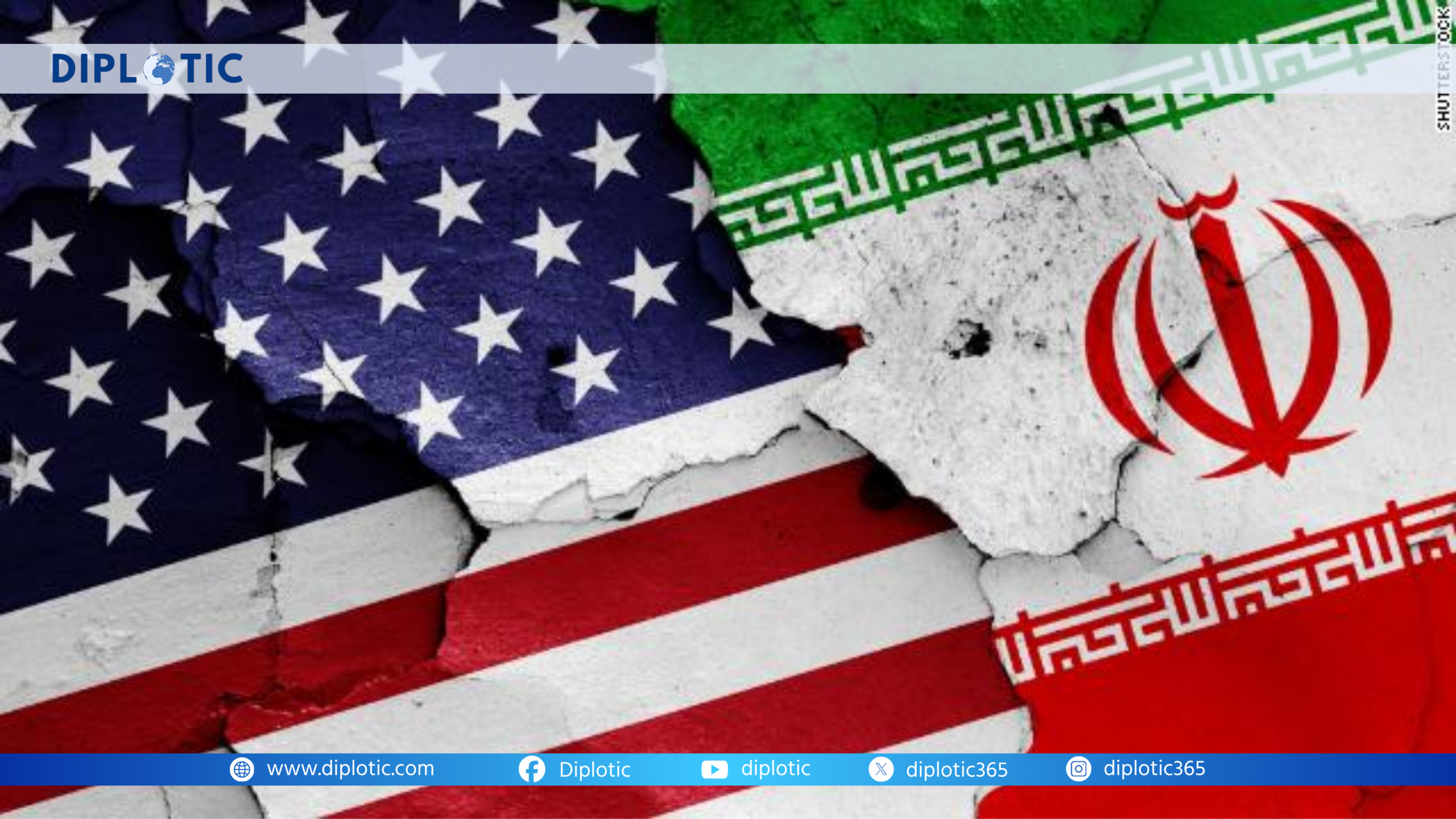
Despite the upbeat numbers, there’s growing anxiety over the escalating U.S.-China tariff war. President Donald Trump’s latest move to hike tariffs on Chinese imports to 145% triggered immediate retaliation from Beijing, which raised duties on U.S. goods to 125%.
“Trade war 2.0, where China and the U.S. are effectively imposing trade embargos on each other, will have a sizeable impact on China’s export sector,” warned Xu.
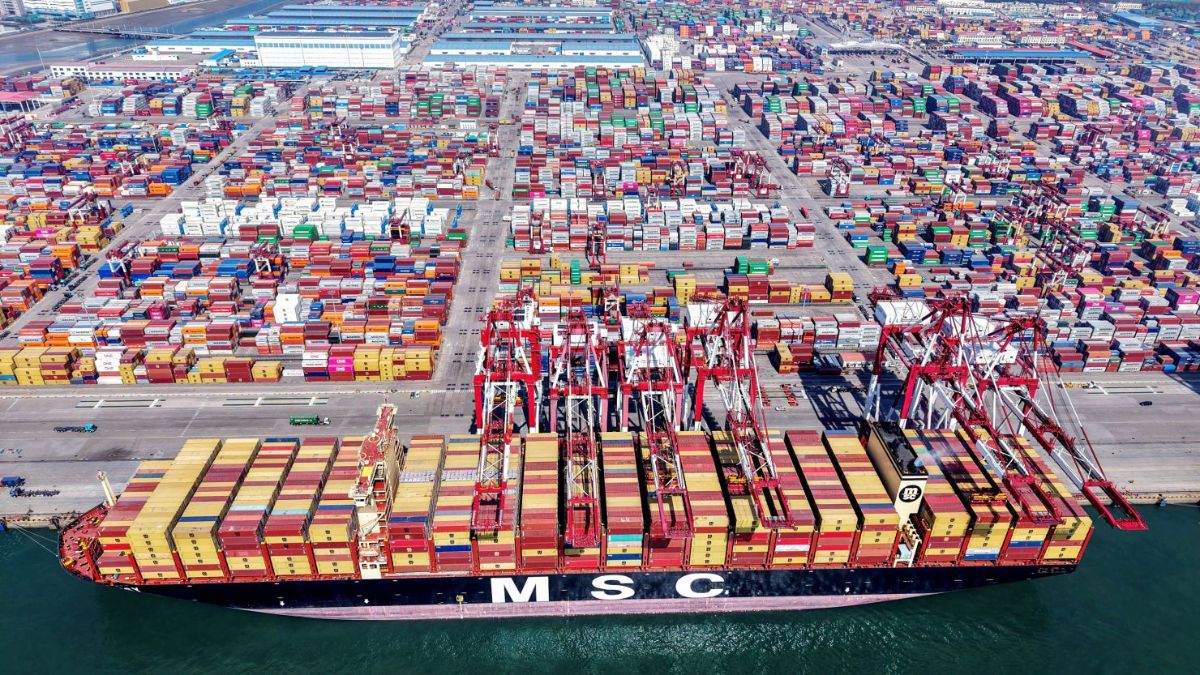
Economists fear these elevated tariffs will soon bleed into the macroeconomic data. Exports are already showing signs of deceleration, with high-frequency indicators flashing red.
Growth Downgrades & Forecast Warnings
Major banks are now slashing their 2025 outlooks despite Q1’s momentum:
- UBS cut its growth forecast to just 3.4%, the most pessimistic among its peers.
- Morgan Stanley projects a 10% decline in total exports, expecting China’s shipments to the U.S. to fall by two-thirds.
- Most analysts agree that Beijing’s “around 5%” official growth target will be difficult to achieve unless further policy support is rolled out swiftly.
Beijing’s Response: More Stimulus on the Way?
To counter the external drag, Chinese policymakers are preparing to double down on stimulus:
- Monetary Easing is expected in Q2, including a 50-basis-point reserve requirement ratio cut and 15-basis-point interest rate cut, according to Morgan Stanley.
- 1–1.5 trillion yuan ($136.5–204.7 billion) in fiscal stimulus is anticipated in the second half of the year.
- Broader consumer subsidy programs and a push for local governments to destock housing inventory are also in the pipeline.
- Faster issuance of construction bonds will aim to stabilize infrastructure momentum.
“Fiscal expansion will likely do most of the heavy lifting to stabilize growth,” said Goldman Sachs’ Lisheng Wang, “though it may still fall short of fully offsetting the external shocks.”
Resilience vs. Risk: The Road Ahead
The data shows clear signs of strength resilient consumer demand, factory robustness, and improving employment. But these early gains could be short-lived if the tariff conflict escalates, especially with limited prospects for near-term diplomatic resolution.
Still, Chinese officials remain cautiously optimistic.
“China has decades of experience handling crises from the pandemic to U.S. tensions,” said NBS Deputy Commissioner Sheng Laiyun. “While the pressure is real, our economy will remain resilient.”
The big question now is: Can China sustain this momentum when the trade headwinds pick up speed?