

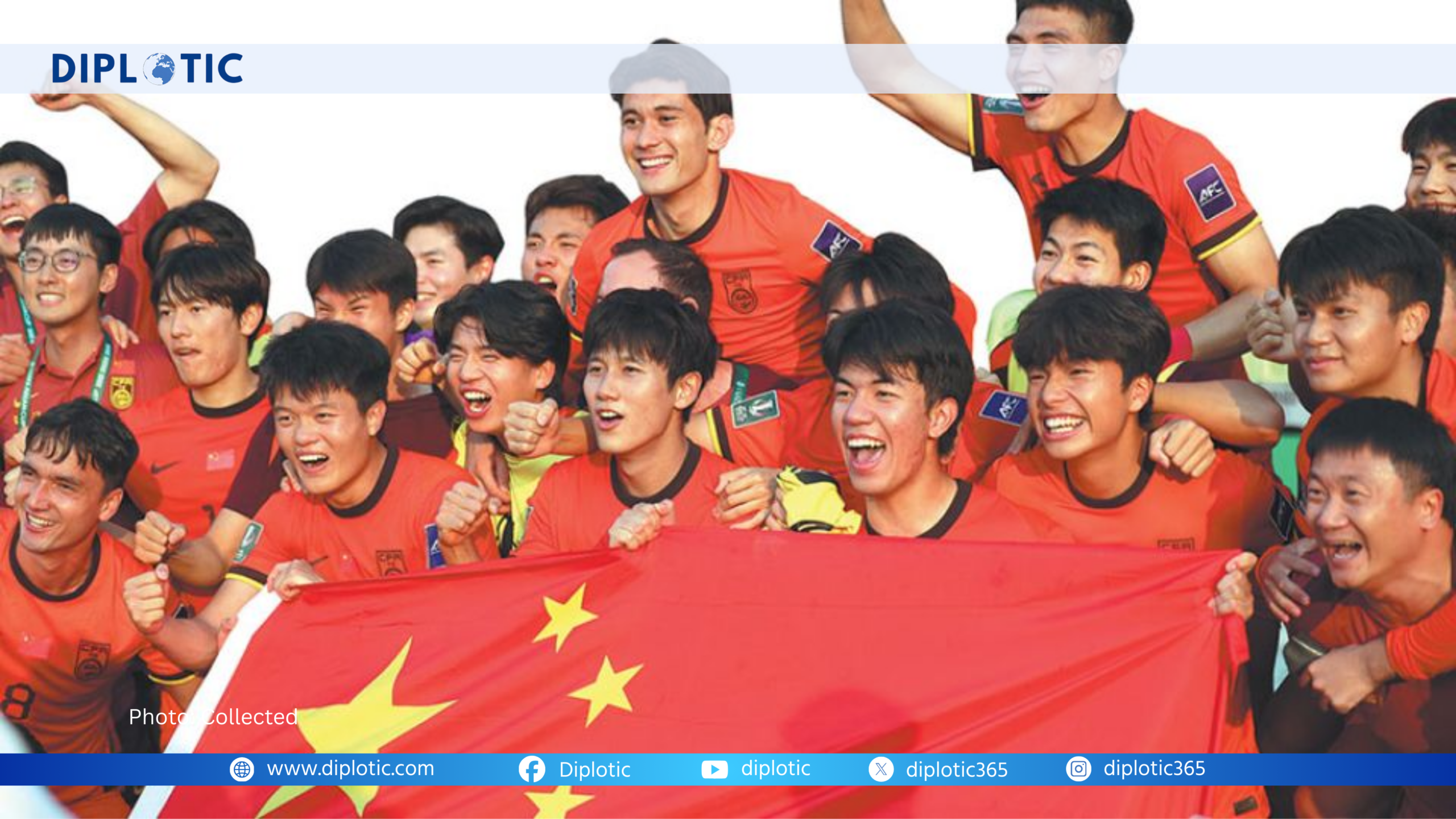
China’s soccer scene entered 2026 with a surge of optimism after years of underperformance and scandals. The U23 men’s team made history by reaching the AFC U23 Asian Cup final in Saudi Arabia, losing 4-0 to Japan but earning praise for their grit. At the senior level, new coach Shao Jiayi has started rebuilding the national team through intensive training camps. Meanwhile, grassroots leagues like the Suchao exploded in popularity last year, drawing millions of fans and inspiring similar competitions across provinces. These developments have boosted morale and raised hopes for a return to major tournaments like the World Cup or Olympics. Yet Chinese soccer has seen false dawns before, from big-money investments in the 2010s to repeated failures on the international stage. With the U23 success not tied to Olympic qualification and the senior team facing tough qualifiers ahead, questions linger about whether this momentum marks a genuine turnaround or just another cycle of hype. As the country pushes for revival, examining the recent achievements and ongoing challenges offers insight into soccer’s future in China.
What Sparked the U23 Team’s Historic Run in the Asian Cup?
China’s U23 team arrived at the 2026 AFC U23 Asian Cup with low expectations, given past group-stage exits. Under Spanish coach Antonio Puche, they stunned observers by advancing unbeaten through the group phase without conceding a goal. Knockout wins followed, including a penalty shootout victory over Uzbekistan in the quarterfinals and a gritty semifinal triumph. The final against Japan ended in a 4-0 defeat, but Puche called the campaign a breakthrough, praising his players’ spirit despite the score.
Goalkeeper Li Hao emerged as the star, making 33 saves across six matches and keeping five clean sheets before the final. His one-handed penalty save against Uzbekistan became a viral moment, symbolizing the team’s resilience. Li, 22, credits mentors like Shao Jiayi for his growth, having risen from Atletico Madrid’s youth academy to a starting role in the Chinese Super League. The squad’s defensive solidity and fighting attitude addressed long-standing criticisms of Chinese teams lacking mental toughness.
This performance rewrote history: it was the first time China progressed beyond the U23 group stage. While not directly qualifying for the 2028 Olympics—the next U23 Cup offers only two spots—the result improves seeding for future draws. Players like Wang Yudong and Kuai Jiwen remain eligible, blending with prospects like Liu Chengyu. The run has rekindled fan interest, with social media buzzing about a new generation. Yet it builds on a troubled past: Chinese youth teams often shine early but fade at senior levels due to poor development pathways. The U23 success prompts curiosity: can this cohort avoid that fate and lift the senior program?
How Is the Senior National Team Rebuilding Under New Leadership?
At the senior level, change arrived with Shao Jiayi’s appointment as head coach in late 2025. A veteran of China’s 2002 World Cup team and a successful club player in Germany, Shao brings experience and a focus on fundamentals. His first camp in Zhaoqing, Guangdong, followed by Dubai training, emphasized physical fitness with twice-daily sessions. In March 2026, the team faces Australia, Cameroon, and Curacao in the FIFA Series, Shao’s competitive debut.
Shao speaks of excitement mixed with pressure, calling World Cup qualification a shared ambition but stressing patience. China’s last World Cup was in 2002, and recent qualifiers ended in early exits amid coaching changes and scandals. The team aims to qualify for 2030, but gaps with top Asian sides remain. Shao’s approach prioritizes unity and steady progress, drawing from his time guiding Qingdao West Coast through league survival battles.
Parallel efforts include youth integration, with U23 stars like Li Hao eyeing senior call-ups. The rebuild addresses systemic issues: overreliance on foreign talent in leagues, weak grassroots, and corruption that plagued the sport in the 2010s. Big investments under President Xi Jinping’s 2015 plan brought stars like Oscar but failed to build depth. Now, with domestic focus, the question is whether Shao can create cohesion and deliver results that satisfy fans tired of disappointment.
What Role Are Grassroots Leagues Playing in Soccer’s Revival?
Away from national teams, grassroots soccer is booming. The 2025 Suchao—Jiangsu Football City League—drew 2.43 million stadium fans and 2.2 billion online views across 85 matches. Its success inspired leagues in Guangdong (Yuechao), Zhejiang (Zhechao), and others. The Northeast China City League launches in May 2026, covering Liaoning, Jilin, Heilongjiang, and Inner Mongolia.
Chinese Football Association data shows 2025 growth: 980,000 amateur players nationwide, up 95 percent; 4,324 tournaments and 144,000 matches, rises of 88 and 140 percent. Provinces now tie soccer to performance goals, blending it with cultural and economic development. Suchao refines rules for 2026 to boost local identity and youth training.
This surge counters top-down failures. Past big-money eras focused on elites but ignored the base. Now, mass participation builds skills, fans, and community ties. It could feed talent pipelines, addressing youth development gaps. Yet challenges remain: uneven resources across regions, potential for corruption in local setups, and ensuring inclusivity. The grassroots wave raises hopes that bottom-up energy can sustain revival where top efforts faltered.
What Challenges Could Hinder China’s Soccer Progress?
Despite positive signs, hurdles loom. The U23 team’s success was impressive but against peers; senior gaps with Japan or South Korea persist. Qualification paths tighten, with only two Olympic spots in 2028. Corruption scandals, like those in 2023, eroded trust and need ongoing reforms.
Leagues face sustainability issues: high spending in the Super League led to club collapses in the 2020s. Grassroots growth is uneven, with rural areas lagging. Women’s soccer, once strong, needs revival after recent slumps. Broader factors like education priorities and limited facilities slow mass involvement.
International ties matter: collaborations with Spain (Puche) and Germany (Shao’s experience) help, but isolation from global trends hurts. Xi’s vision for soccer power by 2050 sets high bars, but patience is key.
China’s recent soccer steps connect past struggles to current promise. From U23 breakthroughs and senior rebuilds to league booms, momentum builds. Yet true revival needs sustained effort beyond hype. If addressed, these developments could end decades of disappointment and fulfill long-held dreams. The coming years will test whether this reboot lasts or fades like those before.




