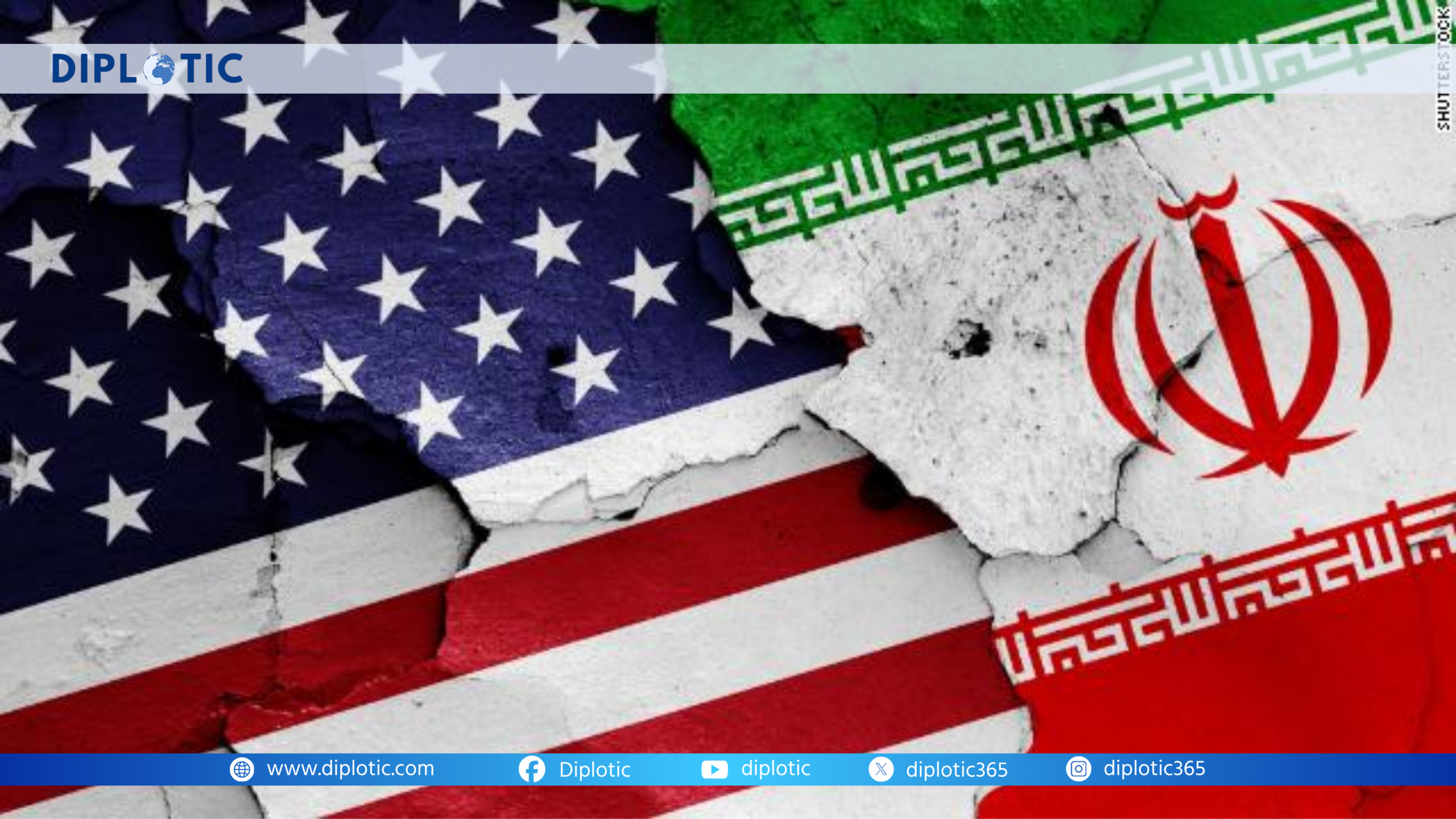
The latest war involving Iran and the United States has quickly moved beyond the Middle East. What began as a military confrontation between Washington and Tehran is now forcing major powers to reconsider their strategies, alliances, and economic risks. Conflicts in the Middle East have often triggered global consequences in the past. The oil crisis of the 1970s, the Gulf War of 1991, and the Iraq War of 2003 all reshaped global politics in different ways. The current conflict shows signs of producing a similar ripple effect.
The military decision taken by U.S. President Donald Trump has added a new layer of uncertainty for global powers already dealing with multiple crises. The war in Ukraine continues to dominate European security planning. Strategic rivalry between Washington and Beijing remains intense. Meanwhile, regional powers such as Turkey and Gulf states are carefully calculating their next steps.
What makes this conflict different is the number of actors watching closely without directly entering the battlefield. Major countries are measuring risks rather than rushing into confrontation. Energy routes, regional alliances, and long-term geopolitical influence are all being quietly assessed.
China, Russia, Turkey, and Europe each face different pressures from the conflict. Some may gain strategic advantages, while others fear instability spreading across borders. The result is a complex diplomatic landscape in which the outcome of the war could shift global power balances far beyond the Middle East.
Understanding how these major players are reacting helps explain why the conflict is being watched so carefully in capitals around the world.
Why Is China Choosing Strategic Patience Instead of Direct Support?
Among the major powers observing the war, China has taken the most cautious approach. Beijing maintains strong economic ties with Iran and often criticizes U.S. military actions abroad. Yet it has avoided direct military involvement and limited its response largely to diplomatic statements.
This restraint is not accidental. China’s leadership under President Xi Jinping has long followed a principle of avoiding formal military alliances. Instead, Beijing prefers flexible partnerships that protect economic interests without creating military obligations.
The most important Chinese concern in the Iran conflict is energy security. Nearly half of China’s imported oil passes through the Strait of Hormuz, a narrow waterway that could be disrupted if the war expands. Any long-term closure or instability in this route could increase energy prices and slow China’s already fragile economic recovery.
However, China has prepared for such risks. Over the past year it has expanded strategic oil reserves, storing supplies that could cover more than three months of imports. This buffer allows Beijing to wait and observe rather than react quickly.
China also continues to buy Iranian oil, often through indirect channels that avoid sanctions pressure. Because Iran relies heavily on these sales for revenue, Beijing maintains influence without providing direct military help.
Another strategic benefit for China lies in the diversion of U.S. attention. American military resources and diplomatic focus are now partly directed toward the Middle East. This reduces pressure on China in other areas, including tensions in the South China Sea and around Taiwan.
For these reasons, Beijing is likely to continue its current approach: diplomatic criticism of the war, quiet economic cooperation with Iran, and careful avoidance of direct confrontation. By staying on the sidelines, China protects its energy supply while keeping strategic options open.
Is Russia Losing Influence in Iran or Quietly Expanding It?
The response from Russia reflects a different calculation. Moscow has long maintained close relations with Tehran, particularly through military cooperation and shared opposition to U.S. influence in the region. Yet Russia has also avoided direct involvement in the current conflict.
President Vladimir Putin condemned the U.S. strikes as aggression but stopped short of promising military support for Iran. This measured response highlights the limits of Russia’s partnership with Tehran. Although the two countries signed strategic agreements in recent years, those agreements do not include a mutual defense commitment.
Russia has several reasons for caution. It remains heavily engaged in the war in Ukraine and cannot risk a direct military confrontation with the United States in another region. At the same time, Moscow maintains working relationships with countries that oppose Iran, including Israel and several Gulf states.
Still, the conflict may offer strategic opportunities for Russia. Rising oil prices caused by regional instability could benefit the Russian economy, which depends heavily on energy exports. Higher prices increase revenue and reduce the impact of Western sanctions.
Russia may also attempt to position itself as a diplomatic mediator. Moscow has already maintained contact with several Middle Eastern leaders while emphasizing its willingness to facilitate negotiations. Acting as a mediator allows Russia to remain influential in the region without committing troops.
Another possible advantage for Moscow is the diversion of Western political focus. Continued instability in the Middle East could reduce the amount of attention and resources the United States and Europe devote to the war in Ukraine.
Russia’s approach therefore combines caution with strategic patience. Even if the conflict weakens Iran in the short term, Moscow may still find ways to maintain influence by offering limited security assistance or diplomatic engagement.
Why Is Turkey Walking a Diplomatic Tightrope?
For Turkey, the war presents a particularly difficult challenge. The country shares a long border and centuries of rivalry with Iran. At the same time, Turkey is a member of NATO and maintains complex relations with the United States.
President Recep Tayyip Erdogan must balance several competing interests. Ankara does not want Iran to develop nuclear weapons, which could upset the regional balance of power. Yet Turkey also fears that the collapse of the Iranian state could trigger instability across its borders.
One major concern involves Kurdish militant groups. If Iran were weakened significantly, regions near the Turkish border could become ungoverned areas where armed groups reorganize. Turkish officials worry that such developments could revive militant movements that Ankara has spent years trying to suppress.
Another factor shaping Turkey’s response is its improving relationship with Washington. After several years of tensions, recent diplomatic efforts have helped rebuild cooperation between the two countries. Turkey therefore has incentives to avoid directly opposing U.S. policy in the region.
At the same time, Ankara does not want to appear openly aligned with a military campaign against Iran. Turkish officials have instead issued balanced statements calling for restraint from all sides.
However, the situation could change if Iranian attacks affect Turkish territory. Reports of missile or drone incidents near Turkish airspace have already raised concerns within the government. If such incidents increase, Turkey may feel pressure to take a stronger diplomatic position.
In the long run, Turkey may attempt to play a mediating role between Iran and Western powers. Ankara has often positioned itself as a regional negotiator in conflicts involving neighboring states. If the war moves toward negotiations, Turkey will likely seek a place at the diplomatic table.
Will Europe Be Forced Into a Larger Security Role?
The response from Europe has been shaped by both security concerns and political caution. Countries within the European Union broadly share concerns about Iran’s regional activities, particularly its military cooperation with Russia. At the same time, European leaders remain wary of military actions that appear to bypass international legal frameworks.
Recent developments have complicated Europe’s position. When a drone linked to Iranian forces struck territory in Cyprus, a member state of the European Union, the conflict suddenly moved closer to European security interests.
This incident highlighted a difficult reality for Europe. Even if European governments prefer a diplomatic solution, regional instability may force them to take a more active role in defense operations.
Several European countries have already taken limited steps. France has deployed fighter aircraft to intercept drones threatening allied airspace. The United Kingdom has allowed U.S. forces to use its military bases for defensive operations in the region.
These actions remain limited, but they show how the conflict is slowly drawing Europe into a security role. At the same time, European resources are already stretched by ongoing support for Ukraine’s defense against Russia.
Another major concern for Europe is the possibility of wider instability in Iran itself. A breakdown of state authority could lead to refugee movements similar to those seen during the Syrian civil war. European governments still remember the political and social impact of those migration waves.
For these reasons, European leaders are trying to maintain a careful balance. They support efforts to prevent Iranian missile and drone attacks, but they also continue calling for diplomatic engagement and restraint.
If the conflict continues for a long period, Europe may find it increasingly difficult to remain on the sidelines.
The Iran war is therefore not only a regional conflict but a global strategic test. China is observing carefully while protecting its energy interests. Russia is balancing caution with opportunities created by rising oil prices and shifting diplomatic dynamics. Turkey is navigating complex security concerns along its borders. Europe is slowly being pulled toward a larger role in regional defense.
History shows that wars in the Middle East rarely remain confined to the region. Energy markets, security alliances, and diplomatic relationships are all affected when major powers become involved.
Whether the current conflict expands or moves toward negotiations will determine how far these global consequences reach. What is already clear is that the war has reopened a familiar question in international politics: how local conflicts can reshape the global balance of power.