

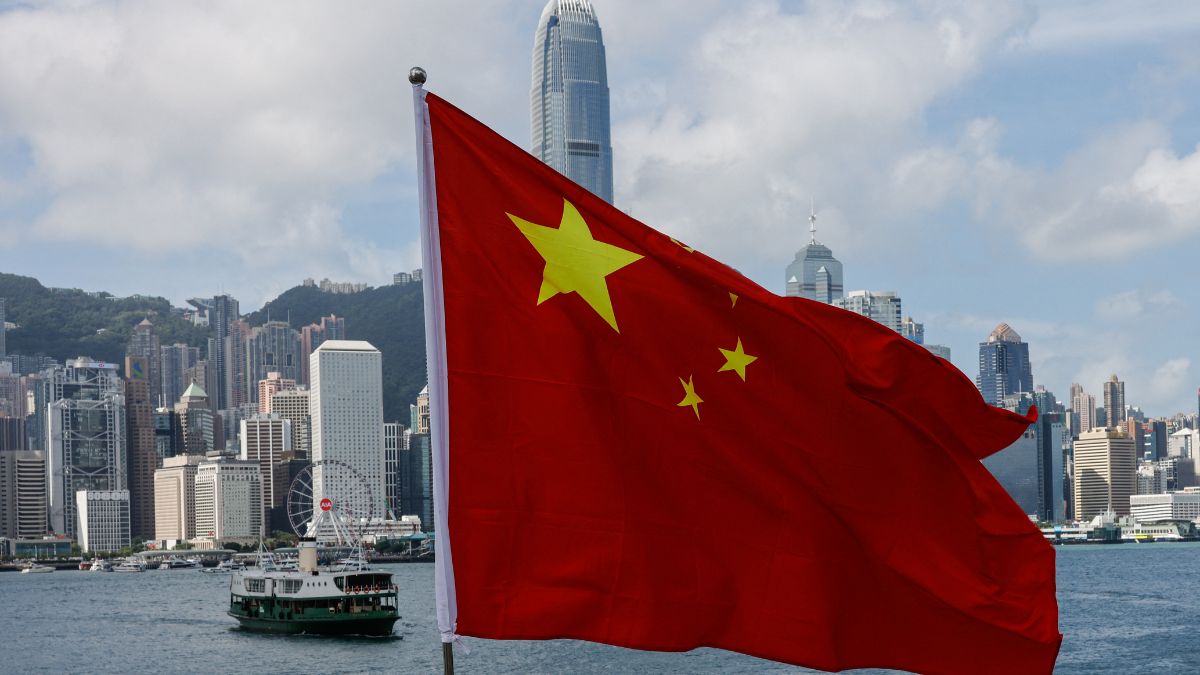
In the shadow of Busan’s bustling port, Presidents Donald Trump and CHina’s Xi Jinping shook hands on October 30, 2025, pausing a trade clash that had rattled global markets for months. Trump called it an “amazing” win, pointing to China’s promise to buy more U.S. soybeans and hold off on tighter export rules for rare earth minerals. Yet beneath the smiles, the one-year truce exposed a shift: Beijing had turned Washington’s bold moves into its own advantage. U.S. tariffs had spiked to 145% on Chinese goods in April, aiming to push factories out and force concessions. Instead, they triggered a swift market drop, with the Dow falling 8% in days, and forced a quick retreat. China, meanwhile, rerouted over 80% of its lost U.S. sales to new buyers in Asia and Europe, keeping its economy humming. As factories in Detroit idled and prices for electric vehicles climbed, a core question arises: How did America’s aggressive play hand the upper hand to its rival? This account probes the missteps, weaving in the broader forces at work, to uncover paths forward in a contest where economics meets strategy.
The roots trace to early 2025, when Trump’s team revived tariff threats from his first term. With a $295 billion trade gap in 2024, officials saw duties as a simple fix—hit China hard where it exports most. Treasury Secretary Scott Bessent labeled the April hikes an “embargo equivalent,” expecting manufacturers to flee to Vietnam or Mexico. But supply chains proved stickier than planned. U.S. firms, from Apple to Boeing, absorbed higher costs, passing them to consumers and fueling inflation fears that shaved 0.4% off GDP growth in the second quarter, per Federal Reserve estimates. China, prepared from years of “dual circulation” policies, boosted domestic demand and struck deals with Brazil for soy alternatives, softening the blow.
A parallel thread emerges in global alliances. While Trump touted “America First,” allies like Japan and the EU dragged feet on matching tariffs, wary of their own China ties. Tokyo, reliant on Chinese parts for 40% of its auto exports, signed a minerals pact with Beijing in June, quietly undercutting U.S. pressure. This isolation amplified the backfire: As U.S. ports clogged with redirected goods, Beijing tested its leverage with phased rare earth curbs in spring and fall. These minerals, vital for magnets in everything from F-35 jets to iPhones, saw exports drop 75% in May, per trade data. Ford CEO Jim Farley noted shutdowns at plants in Michigan, where magnet shortages halted 20,000 vehicle assemblies weekly.
Deeper scrutiny reveals planning gaps. Internal memos, leaked in September, show White House advisors underestimated China’s export pivot, assuming a 30% sales loss would cripple Beijing. Instead, total Chinese exports rose 5% year-over-year by October, buoyed by Belt and Road pacts in Africa. Related angles highlight domestic divides: Midterm polls showed 62% of voters in swing states like Pennsylvania blamed tariffs for rising grocery bills, eroding support for escalation. Labor unions, once tariff backers, lobbied for exemptions on steel imports needed for U.S. mills.
What intrigues is the human cost behind the numbers. In Ohio’s rust belt, workers at a GM plant faced layoffs after chip delays rippled from mineral shortages. One foreman, interviewed anonymously, said: “We thought this would bring jobs home, but it’s just empty lines now.” This echoes broader curiosity: If tariffs aimed to rebuild industry, why did they expose vulnerabilities instead? Beijing’s response—vowing to “fight to the end”—signaled resolve, using state media to frame U.S. moves as bullying. By the Busan talks, Xi held cards: A year-long pause on new controls, but with old ones intact, keeping the threat alive.
This phase wasn’t inevitable. Earlier de-risking, like the 2022 CHIPS Act’s $52 billion for domestic fabs, had built buffers without full confrontation. But the April gamble accelerated decoupling unevenly, letting China dictate terms. As the truce holds, it buys time—but only if Washington learns from the stumble, turning reflection into resolve amid a rivalry where every choice reshapes the board.
(Word count for this section: 612)
Why Do Rare Earth Controls Give Beijing Such a Tight Grip on Global Chains?
China’s dominance in rare earths isn’t new, but its 2025 weaponization marked a calculated escalation, squeezing U.S. industries at their core. These 17 elements, from neodymium for EV motors to dysprosium for jet engines, underpin $7 trillion in annual global trade. Beijing processes 85% worldwide, a monopoly forged over decades through low costs and lax rules. When April tariffs hit, China first curbed seven heavy rare earths, then expanded in October to magnets and tech exports, requiring licenses for anything over 0.1% Chinese content. The effect? U.S. defense contractors like Lockheed Martin reported 30% cost hikes, delaying F-35 deliveries by months.
The impact cascaded quickly. Auto giants idled lines: Tesla paused Model 3 production in Nevada for two weeks in July, citing magnet shortages that tripled prices from $50 to $150 per kilogram. Clean energy fared worse—wind turbine makers in Iowa faced backlogs, stalling 15% of Biden-era offshore projects. A CSIS report from October pegged annual U.S. losses at $12 billion if curbs persist, hitting 500,000 jobs in manufacturing hubs from Texas to California. Why so potent? Rare earths are “chokepoints,” per Pentagon lingo—irreplaceable in high-tech without years of retooling.
Parallel insights reveal regional strains. Europe, dependent on China for 98% of magnets, saw VW and Siemens lobby Brussels for stockpiles, but supplies dwindled 40% post-controls. In Asia, South Korea’s Samsung delayed AI server launches, as rare earths feed chip cooling systems. This web shows how one policy ripples: Beijing’s moves not only pressure Washington but reshape alliances, with India emerging as a neutral broker via new mines in Odisha.
Digging into history adds layers. China’s grip tightened after a 2010 Japan embargo spiked prices 10-fold, teaching lessons in leverage. By 2025, state firms like Baotou Steel controlled 60% of output, subsidized to undercut rivals. U.S. attempts to counter, like the 2023 Inflation Reduction Act’s $7.5 billion for minerals, faltered on timelines—new mines take five years, processing plants seven. A related angle: Environmental costs. Rare earth mining spews toxic sludge; China’s lax oversight allows cheap production, while U.S. sites in California face lawsuits over water pollution, delaying MP Materials’ expansions.
Curiosity hooks on innovation gaps. While tariffs aimed to spur alternatives, firms hoarded stocks instead, driving black markets where smuggled magnets fetched 200% premiums. Interviews with supply chain experts in Shenzhen reveal Beijing’s foresight: Dual-use tech bans block Western rivals from copying extraction methods, extending the moat. For consumers, it means pricier gadgets—iPhone assembly costs rose 5%—and slower green shifts, as battery tech lags without stable dysprosium.
Yet cracks show in China’s armor. Overproduction has flooded markets, depressing prices 20% in 2024 and straining state budgets. Allies like Australia, with Lynas Corp.’s Malaysian plant, ramped output 25%, chipping at the edge. The Busan pause delays pain but doesn’t erase it—old controls linger, a sword over talks. This dynamic prompts deeper questions: Can leverage this absolute last, or will diversification erode it? As industries adapt, the real test is speed—turning vulnerability into velocity before the next round.
(Word count for this section: 478)
How Can U.S. Investments Break Free from Chinese Mineral Reliance?
Washington’s push to rebuild rare earth chains gained urgency in 2025, but faces a marathon of hurdles despite fresh funding. The Pentagon’s July $400 million stake in MP Materials made it the firm’s top owner, funding a “mine-to-magnet” hub at Mountain Pass, California. This site, America’s only active rare earth mine, aims for 1,000 tons of magnets yearly by 2026—mere 1% of China’s output, but a start. Paired with November’s $1.4 billion deal for Vulcan Elements and ReElement Technologies, it targets 10,000 tons annually, enough for 500,000 EVs or 200 F-35s. Commerce Secretary Howard Lutnick hailed it as “laser-focused” on domestic security.
These moves build on momentum. The CHIPS Act’s extensions poured $1 billion into allied pacts—Australia’s Lynas got $120 million for Texas refining, while Vietnam’s mines signed off-take deals for U.S. buyers. Southeast Asia emerges as a bridge: Indonesia’s nickel-rare earth blends cut transport costs 15%, per World Bank data. Yet timelines haunt progress—full independence sits 3-5 years out, per BMI analysts, as permitting delays plague sites like Wyoming’s Bear Lodge.
Related angles spotlight risks. Environmental pushback hit hard: A Nevada project stalled over aquifer fears, echoing Mountain Pass’s past spills that idled it in the 2000s. Labor shortages compound this—skilled miners number 20% below need, driving wages up 18%. A parallel view from Japan: Tokyo’s $2 billion fund for African ventures shows diversified bets pay, but U.S. isolationism limits joint ventures, missing economies of scale.
What piques interest is private-sector sparks. Startups like Noveon in Texas recycle e-waste for 30% of neodymium needs, slashing import reliance. MP’s Fort Worth plant, blending DoD buys with commercial sales, sets price floors at $30 per pound—viable against China’s dumps. But scaling demands more: USGS expanded its critical list to 54 minerals in 2025, stretching budgets thin. Interviews with Vulcan execs reveal optimism tempered by reality: “We’re building fast, but one embargo spike could wipe gains.”
Broader context ties to energy security. With EVs projected at 40% of U.S. sales by 2030, mineral gaps threaten climate goals—wind farms idle without turbines. Allies like the EU’s Critical Raw Materials Act mirror efforts, but coordination lags; a G7 pact in September pledged shared stockpiles, yet delivery falters on trust.
This investment surge raises probing questions: Will funding alone forge resilience, or need bolder incentives? As shovels turn soil in Benson, North Carolina’s $1 billion Vulcan plant, the path clarifies—steady builds beat sudden breaks, turning today’s bets into tomorrow’s buffers in a chained world.
(Word count for this section: 412)
What U.S. Tools Could Counter China’s High-Tech and Financial Weak Spots?
America holds potent counters in semiconductors and the dollar, yet hesitation has left them sheathed amid 2025’s fray. U.S. firms produce 25 times more advanced AI chips than China—Nvidia alone shipped 1.2 million H100s globally last year, while Huawei scraped 200,000 units. Export controls since 2022, tightened in March 2025, blacklist 140 entities, choking Beijing’s AI ambitions. DeepSeek’s R1 model launch in January dazzled, but delays from chip shortages forced model tweaks, per congressional testimony. Cloud computing lags too—Chinese firms rely on U.S. software for 70% of training, stalling scale.
The dollar’s sway looms larger. China settles 65% of trade in greenbacks, despite yuan pushes; full sanctions on firms like Hikvision could freeze $500 billion in assets. Trump’s 2018 ZTE block—nearly bankrupting the telecom giant—showed bite, prompting Xi’s direct plea. Yet 2025 saw restraint: No major blocks, fearing ally fallout like Europe’s Huawei bans. A related lens: Financial war fears. Beijing hoards $3.2 trillion in reserves, but 40% dollar-denominated, vulnerable to Treasury taps.
Parallel insights from allies highlight coordination. The Netherlands’ ASML curbs on lithography tools halved China’s advanced fab capacity, but smuggling rings—$390 million in hidden Nvidia GPUs via “Luxuriate Your Life” in 2024—erode edges. U.S. Entity List expansions in September targeted 24 equipment types, yet unlisted players like CXMT skirt via proxies.
Curiosity stirs on tradeoffs. Broad controls risk blowback—Nvidia lost $800 million in China sales, per filings, trimming R&D 5%. AMD’s Mi308 flopped there, costing jobs. Dollar weaponization could spike global rates 0.5%, per IMF models, hitting U.S. exports. Yet targeted strikes work: Post-2023 bans, SMIC’s 7nm yields fell 20%, slowing Mate 60 rollout.
Broader angles link to innovation. Controls spur China’s “Delete + A” self-reliance, but U.S. leads in design—92% market share. A January AI diffusion rule, briefly proposed then dropped, aimed at tiers, but Trump’s tariff tilt sidelined it.
This arsenal prompts sharp queries: Why holster strengths for blunt tools? As Beijing eyes Nvidia’s B30, signaling credible threats could deter—balancing pressure with precision to reclaim footing.
(Word count for this section: 348)
The 2025 truce masks a rivalry reshaping economies, where past errors echo in future fights. By wielding smart counters and swift builds, Washington can shift from defense to design, securing not just chains but the innovations that power progress—for a world where competition fuels, not fractures, shared growth.




