

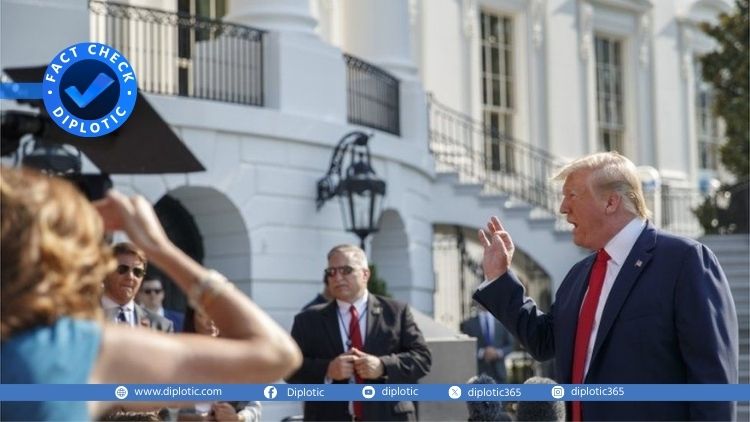
American comedy has long served as a sharp mirror to power, poking at presidents with punchlines that cut through the pomp. But as Donald Trump’s second term unfolds in 2025, that tradition faces an unusual shadow: the Federal Communications Commission, the nation’s broadcast watchdog, amplifying calls to silence the jesters. On a crisp November Saturday, Trump unleashed on Truth Social against NBC’s Seth Meyers, branding him talentless and deranged, demanding his immediate firing over a ratings slump and perceived bias. Hours later, FCC Chairman Brendan Carr—a Trump appointee—reposted the rant without a word, stirring a storm of questions about regulatory overreach. This isn’t isolated; it echoes September’s clash with ABC’s Jimmy Kimmel, where Carr’s veiled threats led to the host’s temporary suspension after comments on a political assassination. As satire meets scrutiny, the lines blur between free speech and federal pressure. What happens when the referee joins the game? This pattern probes deeper: Is the FCC evolving from neutral arbiter to enforcer of executive grudges, and at what cost to the airwaves that define public discourse?
How Did Trump’s Feud with Seth Meyers Spark FCC Involvement?
Late-night television thrives on roasting the powerful, a ritual as old as television itself, but few targets bristle like Donald Trump. Meyers, host of NBC’s “Late Night” since 2014, has built a career on dissecting Trump’s gaffes—from catapult obsessions to poll woes—with wry precision. On November 14, 2025, Meyers skewered Trump’s recent barbs at unemployed workers, quipping about inherited wealth and magnet mishaps, drawing laughs amid slumping viewership. Trump, never one to laugh last, fired back two days later on Truth Social: “NBC’s Seth Meyers is suffering from an incurable case of Trump Derangement Syndrome (TDS). He was viewed last night in an uncontrollable rage, likely due to the fact that his ‘show’ is a Ratings DISASTER. Aside from everything else, Meyers has no talent, and NBC should fire him, IMMEDIATELY!” The all-caps fury wasn’t new; earlier in November, Trump had dubbed Meyers “the least talented person to ‘perform’ live in the history of television” and a “truly deranged lunatic.” Meyers parried coolly on air: “You can say I’m untalented. You can say I’m deranged. But I’m not the one who talks endlessly about catapults on aircraft carriers!”—reeling clips of Trump’s military musings.
What elevated this spat from tweetstorm to potential crisis was Carr’s swift amplification. The FCC chair, appointed in 2025 after penning the agency’s chapter in the conservative Project 2025 blueprint, shared a screenshot of Trump’s post on X, his platform of choice for policy jabs. No commentary accompanied it—just the raw demand for dismissal, reaching Carr’s 150,000 followers. This move rippled online, with critics like NPR’s David Folkenflik labeling it the “nation’s top broadcast regulator amplifies President Trump’s call for network to fire satirist who mocked him.” Conservative voices, too, raised flags; legal veteran Gregg Nunziata queried, “Why in the world is the FCC chairman posting this?” NBC stayed mum, with a spokesperson dodging comment requests, while Meyers held fire, perhaps heeding his own creed: ignore the rants, they’ll pivot soon.
This incident fits a broader canvas of Trump’s media skirmishes. Late-night hosts like Meyers, Kimmel, and Stephen Colbert have long needled him, but 2025 marks a shift: executive power now funnels through regulators. Carr’s repost, innocuous on surface, hints at leverage—the FCC oversees broadcast licenses, a lifeline for networks like NBC. Stations must serve the “public interest,” a vague standard ripe for interpretation. Parallel to this, Trump’s weekend at Mar-a-Lago with Carr, posted Sunday, underscores their alignment; the chair, a 2017 Trump nominee, has voiced eagerness to execute the president’s vision, railing against “censorship” of right-wing views. Yet, irony abounds: Carr once tweeted in 2022, “Political satire is one of the oldest and most important forms of free speech,” decrying its suppression. Now, his actions seem to invert that, prompting whispers of selective enforcement. Broader context reveals a polarized airscape; conservative outlets like Fox thrive on Trump praise, while liberal-leaning late-night draws ire. Ratings data shows Meyers’ show dipping below 1 million viewers nightly, fueling Trump’s claims, but experts note comedy’s cyclical dips amid streaming wars. As OSINTdefender noted on X, Carr’s share broadcast Trump’s demand to a regulatory audience, blurring lines between personal beef and policy signal. The core puzzle: Does this embolden networks to self-censor, or is it mere bluster in a free-speech fortress? With no FCC probe announced, the chill lingers, inviting scrutiny of how personal vendettas infiltrate public oversight.
(Word count: 612)
What Role Did the Jimmy Kimmel Controversy Play in Shaping This Dynamic?
To grasp Carr’s Meyers repost, rewind to September 2025, when a monologue on ABC’s “Jimmy Kimmel Live!” ignited the year’s fiercest media-regulatory clash. Charlie Kirk, the conservative activist and Turning Point USA founder, was assassinated on September 13 by Tyler Robinson, a 22-year-old with leftist leanings, per early reports. The killing shocked political circles, sparking finger-pointing across divides. Four days later, Kimmel addressed it in his opener: “We had some new lows over the weekend with the MAGA gang desperately trying to characterize this kid who murdered Charlie Kirk as anything other than one of them and with everything they can to score political points from it.” Conservatives pounced, accusing Kimmel of inflammatory falsehoods—official probes later confirmed Robinson’s anti-right motives, not MAGA ties. Fox’s Greg Gutfeld called it “delusions,” predicting fallout.
Enter Carr, who on September 17 blasted the remarks on Benny Johnson’s right-wing podcast as “some of the sickest conduct possible.” He escalated: “We can do this the easy way, or the hard way. These companies can find ways to change conduct, to take action, frankly, on Kimmel, or there’s going to be additional work for the FCC ahead.” Invoking rare “news distortion” rules, he floated license revocations for ABC affiliates, tying it to public interest obligations. Hours later, ABC suspended Kimmel indefinitely; affiliates like Nexstar (32 stations) and Sinclair (38) preempted episodes, citing viewer backlash and “offensive” content. Sinclair demanded an apology to Kirk’s family and donations to his group—conditions unmet when Kimmel returned September 23 amid uproar, including Disney+ cancellations.
Carr later downplayed threats, claiming on CNBC they stemmed from ratings woes, not federal fiat: “Jimmy Kimmel is in the situation that he’s in because of his ratings, not because of anything that’s happened at the federal government level.” Yet, even Republicans recoiled; Senator Ted Cruz likened it to “mafioso” tactics on his podcast, quoting Carr’s “easy or hard way” line before intoning “no, no, no, no, no.” “It might feel good right now to threaten Jimmy Kimmel… but when it is used to silence every conservative in America, we will regret it,” Cruz warned, highlighting First Amendment perils. Trump backed Carr as a “great patriot,” but the episode exposed rifts; Senator Thom Tillis called it “unacceptable.”
This saga sets the template for Meyers: informal pressure yields swift network capitulation, no formal FCC action needed. FCC Commissioner Anna Gomez, the sole Democrat, decried it as “jawboning”—coercing private firms via threats—to preempt oversight. Historical parallels emerge; under Obama, the FCC probed newsrooms in 2014, sparking bias cries, but Trump’s era amps the volume. Carr’s Project 2025 roots advocate dismantling Section 230 shields for platforms, framing bias as censorship. Post-Kimmel, Carr targeted “The View,” signaling escalation. Broader angles reveal market forces at play—affiliates fear license woes amid mergers like Nexstar-Tegna—but the chill is palpable. Kimmel’s return didn’t erase the precedent; it emboldened, as Carr told Fox: “We at the FCC are going to force the public interest obligation.” For Meyers, the repost evokes this playbook: a nod that networks ignore at peril. Yet, questions persist—does satire’s edge justify regulatory shadowboxing, or does it erode the very discourse democracy demands?
(Word count: 548)
Why Are Even Conservatives Alarmed by Carr’s Regulatory Tactics?
Brendan Carr’s ascent to FCC chair in January 2025, fresh from Project 2025 authorship, positioned him as Trump’s media enforcer, but his tactics have fractured even GOP ranks, unearthing tensions between retribution and restraint. A onetime telecom lawyer, Carr entered in 2017 railing against net neutrality and “Big Tech censorship,” aligning with Trump’s free-speech crusade. By 2025, his toolkit expanded: informal warnings, podcast broadsides, and X posts wield “public interest” like a cudgel, pressuring without votes from the split commission. The Kimmel saga crystallized this; his “easy way or hard way” quip drew mafia analogies from Cruz, who chairs the Senate Commerce Committee overseeing the FCC. “I think it is unbelievably dangerous for government to… threaten to take you off air if we don’t like what you’re saying,” Cruz said, affecting a mobster drawl on his podcast. Tillis echoed: “Absolutely right… just unacceptable behaviour.”
This unease stems from precedent’s peril. Cruz, a Trump ally, sees hypocrisy: he lambasted Biden’s “jawboning” of tech firms via CISA to suppress COVID dissent, releasing a 2025 report on secret censorship. Now, Carr’s playbook mirrors it—threats yielding self-censorship. In October hearings, Cruz previewed the JAWBONE Act: Justice Against Weaponized Bureaucratic Outreach to Network Expression, granting “robust right to redress” for government-targeted speech, with damages up to $5,000 per violation. “No government official—regardless of party—should be engaged in jawboning,” he urged, bipartisan in intent but born of right-wing scars. Democrats like Rep. Jasmine Crockett countered with the Free Speech Act of 2025, barring FCC viewpoint coercion. FIRE’s Will Creeley termed Carr’s moves “indirect censorship every bit as damaging,” citing Kimmel as iceberg tip.
Related angles illuminate risks. Former FCC chair Tom Wheeler, an Obama appointee, praised Carr’s savvy but warned of exploiting “vagaries” in public interest standards, achieving results sans formal votes. Post-Kimmel, Sinclair backtracked demands without concessions, hinting threats’ bluff—but the pattern persists. Carr’s Mar-a-Lago weekend with Trump, posted amid Meyers’ row, fuels perceptions of loyalty over independence. Conservatives like Nunziata fret long-term: today’s foe could tomorrow’s ally. X chatter amplifies; News Corpse called Trump a “fragile flower,” Carr his parrot. Yet, Trump doubled down, cheering Kimmel’s “Great News for America” suspension and urging NBC firings. Carr’s glee—a dancing GIF to Kimmel’s pull—betrays delight in leverage. As bipartisan bills brew, the query sharpens: Can reforms curb this drift, or does it signal a regulator captured by the Oval, where satire’s sting invites systemic swats?
(Word count: 512)
Could Legislative Fixes Prevent Future FCC-Media Clashes?
As Carr’s shadow lengthens over broadcasts, 2025’s legislative pushback offers a counterweight, probing whether Congress can reclaim regulatory neutrality amid polarized airwaves. Cruz’s JAWBONE Act, slated for introduction post-October hearings, targets “jawboning” head-on: it mandates transparency in government-media contacts, empowers lawsuits for coerced censorship, and caps damages at treble for proven violations. Born from Biden-era probes—where White House emails showed CISA flagging “misinformation” for deplatforming—Cruz frames it universally: “That’s why I will soon introduce new legislation… to provide a robust right to redress when Americans are targeted by their own government.” Hearings revealed tech capitulation, like Twitter suppressing Hunter Biden stories; now, it eyes broadcasters, with Kimmel as Exhibit A.
Democrats pivot similarly; Crockett’s Free Speech Act bars FCC actions compelling viewpoint alignment, drawing from FAIRNESS Doctrine ghosts—Reagan’s 1987 repeal that freed airwaves from “balance” mandates. Bipartisan calls mount; McCormick backed Cruz on X, while Gomez pushes internal checks. Wheeler notes Carr’s CEO-like sway—agenda-setting sans consensus—amplifying solo threats. Fixes could include whistleblower protections for stations resisting Oval edicts or audits of “public interest” claims.
Yet, hurdles loom. Trump’s veto pen hovers; he dismissed Cruz’s qualms, lauding Carr. Partisan gridlock—Democrats decry selective outrage—mirrors 2014’s net neutrality wars. Broader context: streaming’s rise dilutes FCC clout, but locals still rely on licenses amid mergers. Kimmel’s backlash—cancellations, ratings dips—shows market self-correction, per Carr, but critics argue it masks coercion. Parallel reforms, like Section 230 tweaks in Project 2025, could boomerang, exposing conservative voices to liberal regulators. As Meyers’ silence holds, NBC weighs risks; affiliates might preempt sans orders. The deeper hook: Will laws like JAWBONE fortify speech’s ramparts, or fracture further in echo chambers? With Cruz eyeing hearings, the arena heats—balancing critique’s bite with broadcast’s bounds.
(Word count: 378)
From Eisenhower-era jabs at Nixon to Stewart’s Bush takedowns, late-night has weathered storms, but 2025’s FCC fusion of fire and fury tests resilience. If unchecked, it risks a muted monologue, where punchlines pale under license fears. Yet, rising reforms whisper hope: a First Amendment fortified against fleeting feuds. As Carr’s posts proliferate and bills build, America’s airwaves hang in balance—reminding that true power lies not in silencing laughs, but letting them echo freely, lest the republic’s wit wither.




