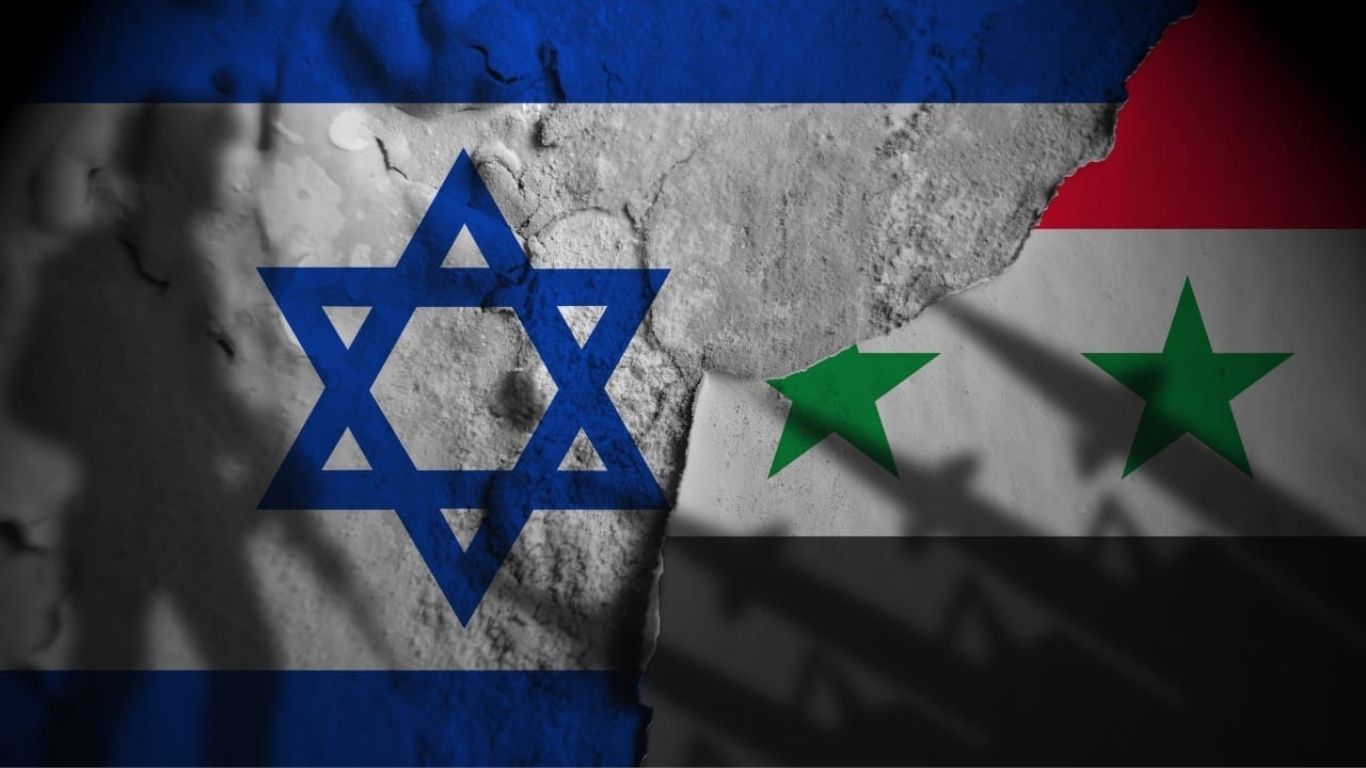
For decades, Israel and Syria have been defined by hostility, mistrust, and conflict. These two neighbors have fought multiple wars since Israel’s creation in 1948, clashed over the Golan Heights, and remained bitter rivals in Middle Eastern geopolitics. Yet today, against the backdrop of shifting regional alliances and global pressure for stability, both sides are reportedly exploring the unthinkable: a potential security pact.
If such an agreement materializes, it could be one of the most significant geopolitical shifts in the Middle East in decades. But can sworn enemies really build a framework of security cooperation? And what would it mean for the region and the world?
A History of Enmity
The roots of Israel-Syria tension run deep. Syria was among the Arab states that attacked Israel after its founding. They fought again in the 1967 Six-Day War, when Israel captured the Golan Heights, a strategically vital plateau that remains a point of dispute to this day. In 1973, Syria launched a surprise assault during the Yom Kippur War. Since then, there has been no peace treaty, only an uneasy ceasefire line patrolled by UN forces.
Even during quieter decades, Syria hosted Palestinian militant groups and aligned itself with Israel’s fiercest adversaries, such as Iran and Hezbollah. The rhetoric has often been uncompromising: Israel viewed Syria as a direct threat, while Damascus treated Israel as an illegitimate occupier.
Why Talks Now?
So why would Israel and Syria even consider a security pact now? Several shifting dynamics may explain:
Regional Realignment: The Abraham Accords normalized ties between Israel and several Arab states. This opened the door for previously unimaginable conversations across the region. If Saudi Arabia edges closer to normalization, Syria may fear being left behind.
Syrian Recovery Needs: After more than a decade of civil war, Syria’s government is desperate for reconstruction, international legitimacy, and economic relief. Opening dialogue with Israel, even indirectly, could be a bargaining chip to ease sanctions and unlock aid.
Security Concerns: Both countries face threats from non-state actors. Israel worries about Iran’s military footprint in Syria and Hezbollah’s weapons pipelines. Syria, meanwhile, struggles with extremist groups along its borders. A pact could theoretically include intelligence-sharing or border arrangements.
Global Pressure: The United States, Russia, and regional powers like Turkey all have an interest in calming tensions in Syria. Quiet diplomacy could be pushing both parties toward confidence-building measures.
What a Security Pact Could Look Like
A “security pact” does not necessarily mean full peace or diplomatic recognition. It could begin with limited, pragmatic steps, such as:
Border Stability: Agreements to avoid clashes in contested areas, particularly around the Golan Heights.
Counterterrorism Cooperation: Shared intelligence on extremist movements that threaten both sides.
Deconfliction Mechanisms: Systems to prevent accidental military escalation, similar to existing arrangements between Israel and Russia in Syrian airspace.
Humanitarian Channels: Coordinating aid deliveries, prisoner exchanges, or cross-border medical support.
Even modest steps would represent a dramatic departure from decades of hostility.
The Golan Heights Question
No article on Israel-Syria relations is complete without addressing the Golan Heights. For Syria, reclaiming this territory has been a core national demand. For Israel, which annexed the area in 1981, giving it up is seen as a red line for security and settlement reasons.
A security pact might bypass this issue temporarily, focusing instead on practical cooperation while shelving territorial disputes. But in the long run, the Golan question will resurface. Any durable agreement would eventually have to address it, directly or indirectly.
Challenges and Skepticism
While the prospect of a pact makes headlines, the obstacles remain enormous:
Mutual Distrust: Decades of enmity cannot be erased overnight. Hardliners on both sides will resist concessions.
Iran’s Role: Syria’s alliance with Iran complicates matters. Israel views Iran’s presence on Syrian soil as an existential threat. For Damascus, breaking ties with Tehran could be politically and militarily costly.
Domestic Politics: In Israel, any pact involving Syria would ignite fierce debate. In Syria, Assad risks appearing weak if he engages openly with Israel.
Regional Reactions: Hezbollah, Hamas, and other actors may attempt to sabotage any warming ties.
These barriers explain why past peace efforts collapsed, and why skepticism is warranted even now.
Why It Still Matters
Despite the doubts, the very idea of Israel and Syria discussing a pact is worth watching closely. It signals a broader transformation in the Middle East: pragmatism is replacing ideological rigidity in some corners. States are prioritizing stability, economic survival, and international legitimacy over endless hostility.
For ordinary citizens, even small steps toward security cooperation could mean fewer skirmishes along the border, more aid reaching vulnerable populations, and less risk of another devastating regional war.
Conclusion
Israel and Syria are still sworn enemies. Their history is marked by war, occupation, and decades of mistrust. Yet today, shifting regional dynamics are forcing both to consider conversations that once seemed impossible.
A full peace treaty remains unlikely in the near future. But a limited security pact focused on borders, deconfliction, and counterterrorism may not be entirely out of reach. If achieved, it could reshape not just their relationship, but also the strategic landscape of the Middle East.
For now, the world watches cautiously. History suggests failure is more probable than success. But in a region defined by surprise shifts, the mere fact that enemies like Israel and Syria are even talking is a story in itself.