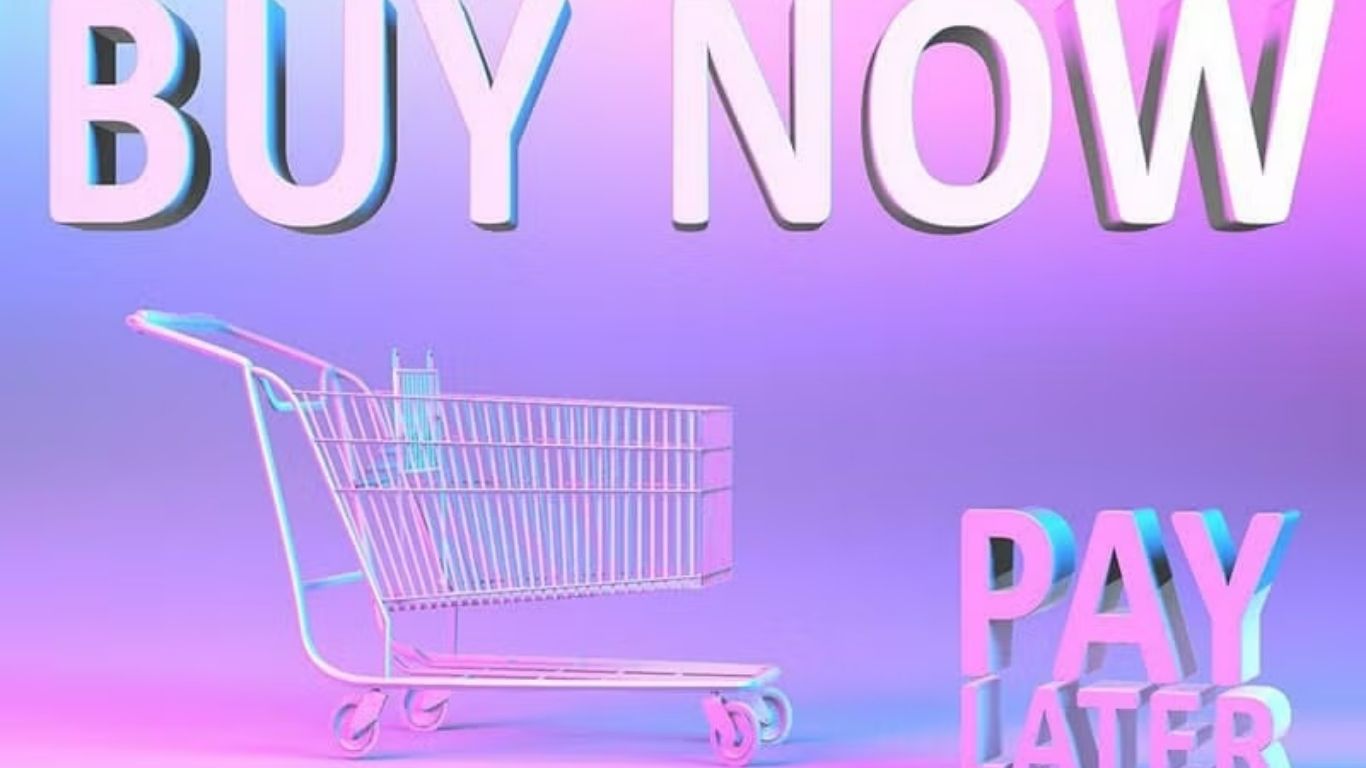
BNPL has surged in popularity over the past few years, particularly among Gen Z and millennials. At the online checkout, a new option has quietly become a staple for millions: the chance to split your purchase into four easy payments instead of paying the full price upfront. “Buy now, pay later” (BNPL) services like Klarna, Afterpay, and Affirm are reshaping how Americans, especially younger consumers, shop, spend, and manage their finances. But beneath the convenience and digital ease lies a more troubling story about impulse, affordability, and the widening gap between financial reality and aspiration.
BNPL: The New Face of Consumer Debt
BNPL has surged in popularity over the past few years, particularly among Gen Z and millennials. Unlike traditional credit cards, most BNPL plans don’t charge interest (at least initially), and until recently, they rarely impacted users’ credit scores. This has made them especially appealing to a generation already burdened by student loans, medical bills, and the pressures of a volatile job market.
The appeal is clear: you can buy what you want now, even if you don’t have the cash. Social media is awash with testimonials from users who see BNPL as a lifeline or, at least, a way to rationalize purchases they might otherwise forgo. But this ease of access is not without consequences. Klarna, a leading BNPL provider that recently partnered with DoorDash, reported that its net losses from unpaid loans more than doubled in a single quarter, a worrying sign of rising defaults.
A Symptom of a “Poor-Impulse-Control Economy”
Kyla Scanlon, a prominent Gen Z economic commentator, has called the rise of BNPL a symptom of what she describes as a “poor-impulse-control economy.” In a recent interview, Scanlon explained that the convenience and impulsivity enabled by BNPL are feeding a cycle where people spend money they don’t have on things they don’t need. “What I worry about is that the convenience and the impulsivity that it allows for allows for the expansion of the grift economy, of a world where people are spending money on things that they don’t need to and they’re just totally lost in that cycle,” Scanlon told Today, Explained.
Scanlon points out that for Gen Z, debt is not just a fact of life it’s a normalized part of daily existence. Student loan debt, medical bills, and the omnipresence of credit scores have made debt seem almost inevitable. The ease with which young people can access BNPL often with just a few taps on their phones only reinforces this perception.
The Structural Drivers of BNPL’s Rise
The popularity of BNPL is not just about consumer psychology; it’s also a reflection of broader economic trends. Real wages have stagnated for years, the entry-level labor market is more competitive than ever, and the cost of living especially housing and groceries has soared. For many young Americans, the prospect of ever owning a home or achieving financial stability feels increasingly out of reach.
In this environment, BNPL offers a temporary reprieve a way to enjoy small luxuries or even cover essential expenses when cash is tight. According to recent surveys, a quarter of BNPL users in the U.S. now use these services for groceries and household items, not just discretionary purchases. For many, BNPL is less about indulgence and more about survival in an economy that feels stacked against them.
The Risks and Realities of BNPL
Despite its growing ubiquity, BNPL is not without risks. While most plans are interest-free if paid on time, missed payments can trigger late fees and, in some cases, high interest rates. Some users even put their BNPL payments on their credit cards, creating a “double whammy” of debt that can be difficult to escape. The lack of regulation and transparency in the BNPL sector has also raised concerns. Many users don’t realize how much they owe across different providers, and the ease of access can lead to overextension and financial distress.
Recent regulatory changes, such as new Consumer Financial Protection Bureau rules requiring BNPL providers to offer dispute and refund rights, are a step in the right direction. But experts argue that more needs to be done to protect consumers from the pitfalls of these services.
The Bigger Picture: Debt, Stability, and the American Dream
The rise of BNPL is a microcosm of a larger trend in the American economy: the normalization of debt as a way of life. For Gen Z and millennials, debt is not just a tool it’s a structural reality shaped by stagnant wages, high living costs, and the erosion of traditional pathways to financial security.
As Kyla Scanlon puts it, telling young people to “just wait” to buy something is increasingly seen as out of touch. In an economy where the ladder to stability feels broken, BNPL and other forms of credit offer a psychological buffer a way to exert some control and enjoy small pleasures in a world that often feels unaffordable.
But this reliance on debt comes at a cost. The convenience of BNPL can mask deeper issues of financial insecurity and impulse control, and the long-term consequences for individuals and the broader economy remain uncertain. As BNPL becomes a permanent fixture of American commerce, policymakers, consumers, and companies alike will need to grapple with its implications for financial health, stability, and the future of consumer culture.