

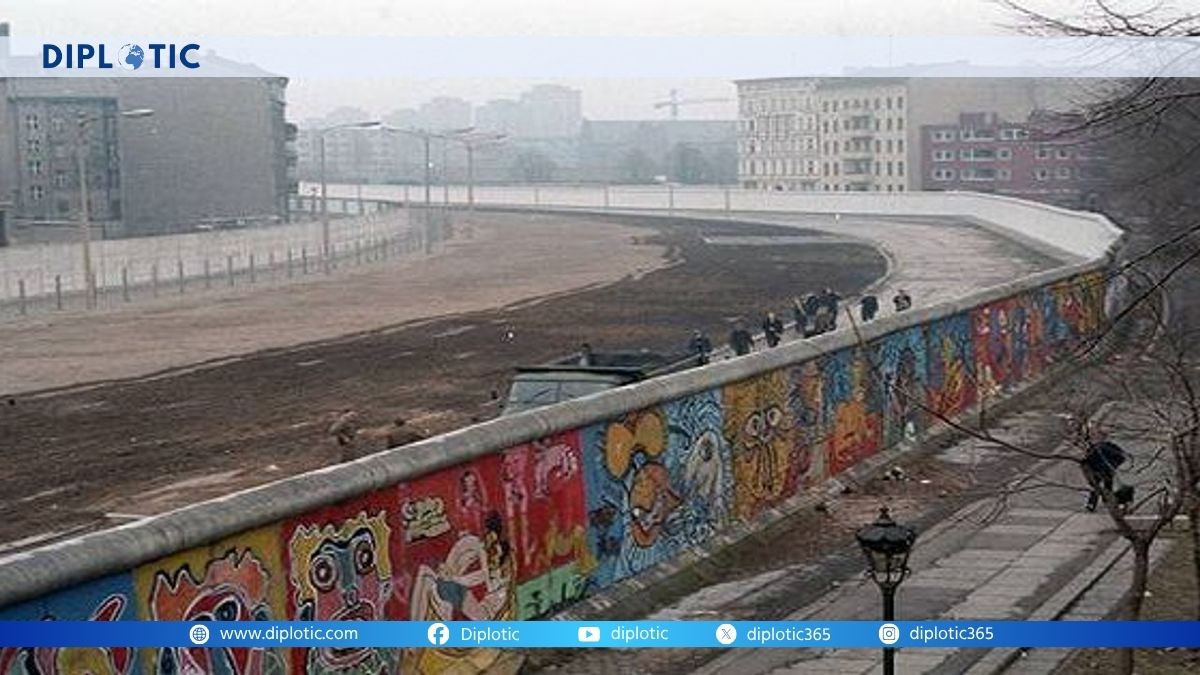
On a chilly November night in 1989, crowds surged across a crumbling line of concrete in Berlin, hammers chipping away at slabs that had scarred the city for nearly three decades. The Berlin Wall‘s fall marked the end of a dark chapter, but not its final act. Fragments of that barrier—once a deadly symbol of Cold War division—were scooped up, shipped out, and planted in corners of the globe, from quiet parks in Asia to busy streets in America. By 2025, as the world grapples with new walls of tension, these relics stand as quiet witnesses, each slab whispering stories of escape, loss, and hard-won freedom. Why did they travel so far? And in a time of rising borders and old rivalries, do they still carry the power to remind us of unity’s fragile cost? This journey traces the wall’s global footprint, uncovering how a single structure’s shards became mirrors for divided nations and personal triumphs, blending history’s weight with today’s echoes.
How Did a Symbol of Iron Division Scatter to the Ends of the Earth?
The Berlin Wall wasn’t just bricks and barbed wire—it was a calculated cage, rising overnight on August 13, 1961, to stem the tide of 3 million East Germans fleeing to the West. Picture families split at checkpoints, whispers silenced by surveillance, and a “death strip” patrolled by guards who shot to kill. Stretching 155 kilometers around West Berlin, this fourth-generation fortress of 45,000 concrete panels, each 3.6 meters tall and laced with trenches, watchtowers, and even “Stalin’s carpet” nail beds, claimed at least 140 lives from 1961 to 1989. Escapees tunneled, ballooned, or swam past it—about 5,000 succeeded—but for most, it loomed as an unbreakable divide, severing streets, phone lines, and dreams.
When protests toppled the communist bloc that fall, the wall’s demise was swift and chaotic. East Berliners danced on its ruins, West Germans joined the frenzy, and by 1990, reunification sealed the era. But demolition wasn’t total. Berlin kept treasures like the 1.3-kilometer East Side Gallery, a vibrant canvas painted by 118 artists from 21 nations, and the stark Berlin Wall Memorial on Bernauer Strasse, where a preserved death strip evokes the site’s ghosts. Elsewhere, the rush to claim souvenirs turned frenzy into a global scramble. The GDR’s interim government, eyeing cash, teamed with a West Berlin firm to auction painted segments—prices soared to $185,000 apiece in Monaco sales, sparking outrage over profiting from a killer. Protests rang out: How could architects of death now hawk their handiwork?
Governments, museums, and private buyers pounced. The U.S., as Cold War victor, snagged the lion’s share—more slabs than Berlin itself, per the Federal Foundation for the Study of Communist Dictatorship. Presidents from Kennedy to Reagan invoked it in speeches; soldiers stationed there felt its chill personally. By 2025, the foundation logs pieces in 57 countries beyond Germany, from Iceland’s fjords to Chile’s Andes. Some arrived as gifts from Berlin’s Senate, others via shady deals—estimates peg over 600 segments worldwide, totaling 140 memorials. A 2025 calendar project by RethinkTANK laments their odd placements: luxury lobbies, faded bus stops, even restrooms, often sans context, diluting the terror they once embodied.
These travels reveal parallel paths. In former Eastern Bloc spots, they honor democracy’s dawn; in divided lands like Korea, they fuel unification hopes. Private tales add color: Artist Thierry Noir, who dodged guards to paint defiant faces on the West side pre-1989, now adorns celebrity yards. Yet, requests have plunged this decade—world events march on, the wall’s punch softens. Still, in 2025’s fractured globe, these stones probe: Do they unite or just decorate? As one X post from November 9 notes, amid anniversary tributes, “Pieces scattered remind us: Walls fall when people rise.” Their spread isn’t random—it’s a map of memory, tracing how one city’s scar became the world’s shared scar.
What Stories Do These Far-Flung Fragments Tell in America’s Heartland and Beyond?
America’s haul of wall pieces reads like a road trip through Cold War nostalgia, each stop a nod to the U.S. role in staring down the Soviets. Langley, Virginia, hosts a slab outside CIA headquarters, a stark reminder of spy games and Berlin’s frontline stakes—acquired post-1989 as the agency that once smuggled defectors claimed its trophy. In New York, a segment guards the United Nations’ flank, its grey bulk urging diplomats to heed division’s toll; photos from 2025 show tourists snapping selfies, plaques faded but message sharp: Walls split worlds, not just cities. Then there’s Las Vegas—a chunk in a men’s restroom at the Rio hotel, of all places, blending high-roller glitz with grim history. Donated in the 1990s, it draws odd stares: How does a death trap end up amid slot machines? One 2025 visitor review calls it “surreal—a pee break with politics.”
California shines brighter. Heidi Klum’s Beverly Hills yard cradles a Noir-painted panel, gifted by her East German-born husband—a personal bridge over the old divide, its cartoonish figures mocking the regime that built it. Los Angeles claims the longest U.S. stretch: 10 panels, 25 tons strong, fronting the Variety Building on Wilshire Boulevard since 2009. Donated by a German bank, it’s etched with Reagan’s “Tear down this wall!”—a 2025 exhibit ties it to Hollywood’s spy flicks, drawing film buffs pondering freedom’s script. Dallas’s Hilton Anatole flaunts two Jurgen Grosse-painted slabs amid 1,000 artworks, lobbied as “division’s end” for conventioneers. Wichita, Kansas, borrows one for the Museum of World Treasures, loaned by expat school groups—kids in 2025 touch replicas, learning escapes via tunnels.
These spots weave American angles: Victory pride in Langley, global harmony at the UN, pop excess in Vegas. But shadows lurk—many arrived via auctions, commodified like souvenirs, echoing 1990s sales where asbestos-laced chunks fetched fortunes. A 2025 RethinkTANK piece critiques this: “Monuments to terror in malls? Context lost, horror cheapened.” Parallel to U.S. excess, other Western hauls add irony. London’s Imperial War Museum guards segments beside WWII relics, linking fascist walls to communist ones—2025 tours highlight shared scars of totalitarianism. In Truro, Nova Scotia, six panels bloom amid a butterfly garden on Cobequid Trail, Canada’s largest cluster; locals in 2025 reviews call it “humble history,” relocated from a vacant lot to honor Cold War’s quiet Canadian watchers. Jamaica’s Up-Park Camp got one via Usain Bolt in 2009, a sprinter’s sprint from division’s shadow. These tales question: Are they educators or curios? In America’s sprawl, they humanize the abstract—Reagan’s echo in LA, a spy’s grit in Virginia—yet risk fading to footnotes without stories told.
Why Do Eastern Echoes Make Wall Pieces Feel Like Beacons of Hope?
In lands once shackled by similar irons, Berlin’s shards glow as democracy’s defiant sparks, their placements deliberate pleas against forgotten freedoms. Bulgaria’s Sofia cradles a grey, unpainted slab beside the Victims of Communism Memorial, gifted in 2006 by Berlin’s Senate. Plaques in Bulgarian and German etch the tale: “A wall divided Berlin… Bulgaria trapped on the east side—until the people brought it down.” Nestled in a leafy park, it’s a sober nod to Sofia’s 1989 velvet revolution, where crowds toppled statues like Berlin’s panels. In 2025, amid EU tensions, visitors linger, tracing fingers over text—a quiet vow that “reunified Europe proves Bulgarians are free.” Its dull hue honors the original dread, shunning graffiti’s gloss for raw truth.
South Korea’s six sites pulse with parallel pain, none brighter than Dorasan Station’s Unification Platform, the railway’s northern tip kissing the DMZ. Unveiled in 2015 by President Gauck, the segment bears his words: “To find and create a life of freedom together,” beside a plaque dreaming “a reunited Korea… more peaceful world.” Trains halt here symbolically, tracks rusting toward Pyongyang—2025 photos show hikers pondering, as inter-Korean talks stutter. Uijeongbu, 30 kilometers south, hosts five more, symbols of thawing hopes amid missile tests. These aren’t relics; they’re roadmaps, echoing how Hungary’s 1989 border openings cracked the Iron Curtain, funneling East Germans west.
Georgia’s Tbilisi displays one with red graffiti before ancient bricks, a post-Soviet bridge from Stalin’s shadow to Rose Revolution light—its story ties Berlin’s fall to Tbilisi’s 2003 streets, where crowds felled another regime. In Budapest, a panel fronts the House of Terror Museum on Andrassy Avenue, unveiled in 2010 for reunification’s 20th; it marks Hungary’s picnic that pierced the curtain, letting thousands flee. 2025 reviews praise its spot: “Front of Terror House—reminds us Hungary opened the Wall.” Eastern Bloc angles deepen the pull: Bulgaria’s entrapment narrative mirrors Romania’s 1989 bloodshed; Korea’s DMZ vigil parallels Cyprus’s green line. Yet, commercialization creeps—Norway’s Trondheim Museum skewers it with Lars O. Ramberg’s “Kapitalistischer Realismus,” a “SALE”-tagged slab critiquing 1990s profiteers. As one 2025 X thread muses, “From death strip to hope stone—these pieces scream: People, not powers, end divides.” In these shadowed lands, walls aren’t past; they’re prods to unfinished fights.
Where Have Odd Corners of the Globe Turned Wall Slabs Into Unexpected Teachers?
From Pacific shores to Antarctic chills, Berlin’s concrete has washed up in the unlikeliest spots, each a quirky lesson in history’s wanderlust. Australia’s Canberra parks a 3.5-ton behemoth—once Potsdamer Platz guard—before the Harmonie German Club in Narrabundah, its bulk a suburban salute to mateship amid division. Donated in the 1990s, 2025 barbecues buzz nearby, locals toasting “no walls down under.” Indonesia’s a mystery gift, perhaps to a Jakarta museum, symbolizing archipelago unity post-Suharto. Chile’s segment, amid Andean echoes of Pinochet’s barriers, stands in Santiago—2025 activists link it to border migrant crises, a call against new divides.
Iceland’s Reykjavik harbors one in a peace garden, its icy isolation mirroring Berlin’s enclave—gifted post-1989, it nods to Nordic neutrality. New Zealand’s Wellington displays a slab at Te Papa museum, tying Antipodean calm to Europe’s storm; kids in 2025 touch it, learning of far-off flights. Canada’s Dartmouth waterfront encases one at the World Peace Pavilion, beside global icons—Halifax’s salt winds weather it, a maritime memorial to divided seas. Manitoba’s Mennonite Heritage Village in Steinbach keeps another, linking Anabaptist pacifism to GDR escapes; 2025 exhibits add defector tales, resonating with prairie immigrant roots.
These outliers probe globalization’s whims: Why a bus station in some U.S. town, per RethinkTANK’s 2025 calendar? Or Up-Park Camp’s Bolt handover in Jamaica, sprinting from colonial chains? Angles multiply—Australia’s as anti-isolationist, Iceland’s as climate-wall metaphor amid 2025 melts. Private quirks abound: A Japanese firm’s $185,000 Monaco buy vanished to a vault; Clinton’s lost Baltimore stash, pre-Lewinsky, echoes scandals swallowing symbols. X chatter in 2025 ties them to borders anew: “Wall bits in Jamaica? Proof history hops oceans, begs no repeats.” Odd as they seem, these teachers whisper: Walls travel, but lessons stick if we listen.
Can Fading Relics Still Bridge Yesterday’s Scars to Tomorrow’s Warnings?
As 2025 marks 36 years since the hammers fell, Berlin’s wall fragments—scattered like confetti from a revolution—face a quiet fade. The East Side Gallery’s murals weather graffiti wars, its 1.3 kilometers a tourist magnet yet victim to vandals; Berlin’s Memorial on Bernauer Strasse, with its death strip reborn as park, draws 1.5 million yearly, but 2025 renovations close towers, urging fresh eyes on old pains. Globally, 140 memorials stand, but requests dwindle—Anna Kaminsky of the Federal Foundation notes in November: “History moves; the icon recedes.” Yet, in Korea’s DMZ vigil or Sofia’s grey vigil, they pulse relevant, mirroring Ukraine’s fronts or U.S.-Mexico fences.
These pieces aren’t frozen; they’re evolving. 2025’s RethinkTANK calendar spotlights decontextualized slabs in malls—”terror in luxury, horror hushed”—sparking debates: Restore narratives? Digitize for VR escapes? X posts anniversary musings: “From 140 deaths to global gifts—walls warn, if we heed.” Broader ties? They echo 1961’s economy-driven flight in today’s migrant waves; commercialization critiques fuel anti-capitalist art like Trondheim’s “SALE.” For divided souls—from Klum’s yard to Canberra’s club—they personalize: Freedom’s not given, it’s chipped out.
In this noisy now, with digital divides rising, these concrete ghosts connect 1989’s joy to 2025’s urgencies. They fell once by people’s will—may their shards ensure no new ones rise unchallenged. As Berlin’s scars heal, the world’s borrowed bits remind: Unity’s the real unbreakable.




