

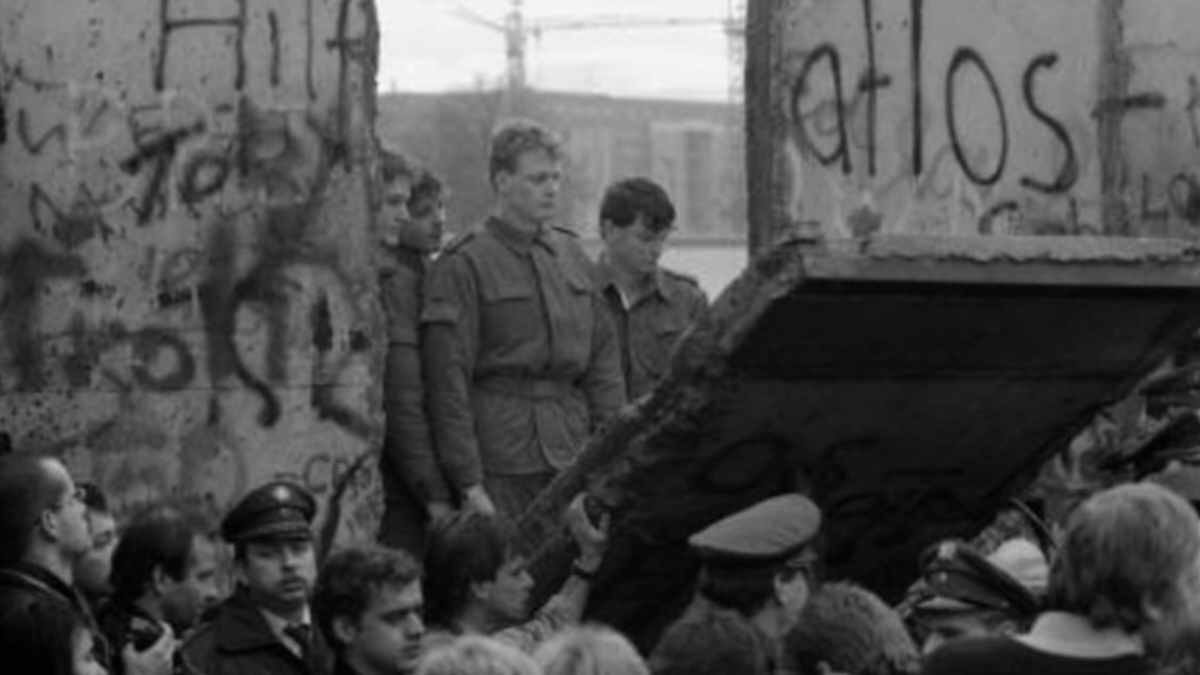
On the evening of November 9, 1989, Europe witnessed an intense transformation as the Berlin Wall—an enduring symbol of division, repression, and the Cold War—was finally collapsed. This moment marked the end of an era and became written forever in history. For over 28 years, the Wall stood as both a physical and ideological barrier between East and West Berlin, breaking apart families and epitomizing the sharp divide between communism and democracy.
The Backdrop of Division
Erected in August 1961 by the German Democratic Republic (GDR), the Berlin Wall aimed to stem the tide of East Germans fleeing to the democratic West. While the GDR’s Soviet-aligned government described it as a “protective barrier” against Western fascists, in reality, it worked as a prison wall, confining millions within an oppressive regime.
For nearly three decades, the Wall not only severed Berliners but also symbolized Cold War tensions. Guarded by barbed wire, watchtowers, and armed patrols, any attempt to cross it often ended in tragedy. Over 100 individuals lost their lives in the pursuit of freedom—a grim testament to the Wall’s cruelty.
Prelude to Change
By the late 1980s, cracks began to appear in the Iron Curtain. The Soviet Union, under Mikhail Gorbachev, introduced sweeping reforms such as glasnost (openness) and perestroika (restructuring), encouraging greater freedom of expression and economic liberalization. Across Eastern Europe, pro-democracy movements gained momentum. In Poland, the Solidarity movement set an inspiring example, while East Germans increasingly took to the streets to demand reform.
On the global stage, the United States, led by President Ronald Reagan, coupled pressure on the Soviet bloc. Reagan’s iconic 1987 speech near the Wall—where he boldly said, “Mr. Gorbachev, tear down this wall!”—resonated as a rallying cry for freedom. Simultaneously, economic stagnation and growing dissatisfaction with communist regimes further accelerated calls for change.
The Historic Night
The unimaginable unfolded on November 9, 1989. During what seemed like an ordinary press conference, an East German official inadvertently announced that border crossings would be opened “immediately.” The vague and unprepared statement created an unprecedented surge of East Berliners rushing toward border checkpoints.
Faced with overwhelming crowds and confusion, border guards had no choice but to yield, opening the gates to the West. Jubilant scenes followed as Berliners from both sides climbed the Wall, armed with hammers and chisels to tear it down. Tears of joy, uncontrollable laughter, and resounding cheers filled the air. Families that had been separated for decades were reunited, and the divided city was made whole once more.
The Aftermath and Impacts
The fall of the Berlin Wall represented more than the reunification of Berlin—it symbolized the collapse of communism across Eastern Europe. Within a year, Germany was officially reunited on October 3, 1990. This historic event acted as a domino effect, sparking revolutions and democratic movements in countries like Czechoslovakia, Hungary, and Romania.
Political Impacts
1. End of the Cold War: The Wall’s fall became a critical turning point, accelerating the dissolution of the Soviet Union in 1991 and bringing nearly half a century of Cold War tensions to an end.
2. Democratization: Eastern European nations embraced democratic governance, transitioning from authoritarian regimes to systems grounded in free elections and human rights.
3. NATO Expansion: Former communist states aligned with Western powers, seeking membership in NATO and the European Union, fundamentally reshaping the global balance of power.
Economic Impacts
1. Economic Growth in Germany: Reunification posed significant challenges, particularly the need for massive infrastructure investments in East Germany. Yet, it also unlocked new economic opportunities for the united nation.
2. Global Markets: The reintegration of Eastern Europe into global markets spurred trade, investment, and innovation, marking a transformative era for the region.
3. Economic Disparities: Despite these advancements, reunification exposed stark inequalities. East Germany continued to lag behind the West in wages and development—a gap that persists to this day.
Cultural and Social Impacts
1. Reunification of Families: The fall of the Wall reunited thousands of families and friends, healing wounds caused by decades of separation.
2. Symbol of Freedom: Globally, the fall became an enduring symbol of triumph over oppression, inspiring movements for liberty across the world.
3. Cultural Integration: The blending of Eastern and Western German cultures enriched the nation’s identity, despite the challenges of integration.
Aspects to Reflect Upon
The fall of the Berlin Wall offers invaluable lessons for humanity. It underscores the power of ordinary people to bring about extraordinary change. The peaceful protests leading to its collapse highlight the strength of unity and nonviolent resistance.
Moreover, the Wall’s fall reminds us of the dangers of division—both physical and ideological. In today’s world, where new barriers continue to arise, its legacy serves as a cautionary tale. It urges leaders and citizens alike to prioritize dialogue, understanding, and cooperation over conflict.
A World Transformed
The events of November 9, 1989, reshaped the global landscape. This pivotal moment marked the end of the ideological battle between communism and capitalism, giving the rise of a era of globalization. However, the path forward was far from smooth.
For many East Germans, reunification brought a mix of emotions. While it opened doors to democracy and economic opportunities, it also revealed cultural and economic disparities. Nostalgia for the GDR, known as Ostalgie, lingers among those who feel alienated by rapid changes.
Globally, the fall of the Wall exposed the fragility of oppressive regimes. It demonstrated that even the most imposing barriers cannot withstand the collective will of the people.




