A Nation on Edge After a Leader’s Death
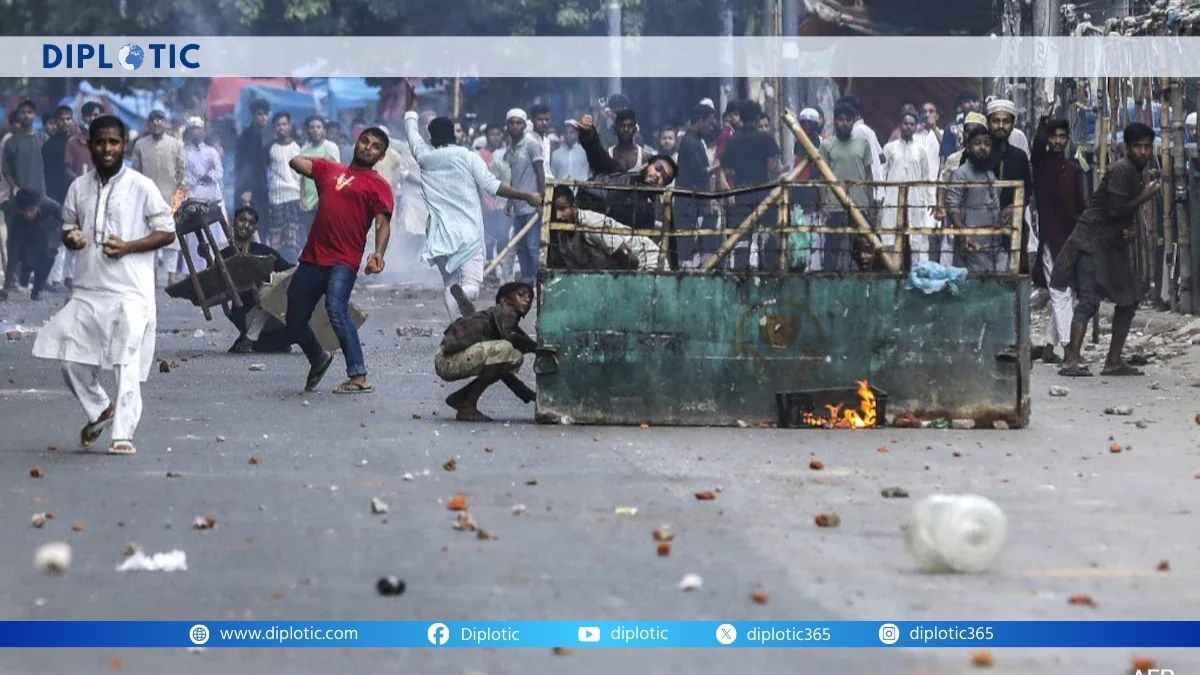
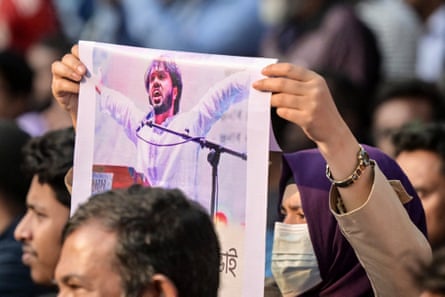
In the crowded streets of Dhaka, Bangladesh, where protests once toppled a long-ruling prime minister, fresh unrest erupted in December 2025. The death of Sharif Osman Hadi—a 32-year-old student leader and spokesperson for Inqilab Moncho, shot on December 12 and dying in Singapore on December 18—sparked nationwide violence. Thousands mourned him as a martyr of the 2024 July Uprising, but protests quickly turned chaotic: offices of major newspapers Prothom Alo and The Daily Star were attacked, vandalized, and set ablaze on December 19. Cultural centers faced assaults; historical sites were targeted. Protesters accused media of pro-India bias and enabling the ousted Sheikh Hasina regime, while demanding justice and Hasina’s extradition.
The Yunus interim government declared national mourning, held a state funeral on December 20, and urged calm, blaming “fringe elements.” Yet critics see deeper currents: rising extreme-Islamist influence, media suppression, and power struggles ahead of February 12, 2026 elections. Hadi, known for his vocal words, embodied youth voices. His killing—shooter Faisal Karim Masud at large, rumors of India flight—fueled anti-India scapegoating. Amid BNP leader Tarique Rahman’s planned December 25 return and Jamaat-e-Islami’s growing sway, fears mount of a “silent coup” by radicals, pushing Bangladesh toward division—or worse.
This turmoil, sixteen months after Hasina’s fall, exposes fragile transitions: reforms promised, but violence, exclusions, and polarization persist.
————————————————————
Hadi’s Rise and Mysterious Death: Catalyst for Chaos
Little known before 2024’s uprising, Sharif Osman Hadi emerged as a fiery voice in Inqilab Moncho, one of many groups from the July protests. Anti-India, critical of Hasina and Mujib legacy, he drew crowds with sovereignty claims.
Shot December 12 by motorcycle assailants leaving a mosque, transferred to Singapore, died December 18 despite efforts. Funeral drew tens of thousands; Yunus attended, promising justice.
Protests followed: Shahbagh blocked, media offices torched—journalists trapped hours, rescued by army. Attacks spread provincially; cultural sites hit.
Accusations flew: supporters blamed India/Hasina remnants; police identified Masud (Awami-linked yet oddly released earlier), lookout issued, location unknown.
Hadi’s legacy: martyr for some, radical for others—his death amplified divisions.
————————————————————
Islamist Ascent: From Margins to Mainstream Influence
Post-Hasina, politics tilted right. Awami League banned, leaders tried; Yunus excluded parties from dialogue.
Jamaat-e-Islami, banned under Hasina, reinstated June 2025, student wing dominant campuses. Released extremists, lifted restrictions.
ISIS/Al-Qaeda flags surfaced; minority attacks rose. Yunus denies radicalism surge, but critics see alignment: media gagged, dissent labeled “fascist.”
Exiled voices like Pinaki Bhattacharya fuel mobs. Mahmudur Rahman, Turkey exile returned 2024, linked to propaganda.
Tarique Rahman, BNP heir London-exiled, returns December 25 amid mother Khaleda Zia’s illness—signals BNP push, but Islamist pressures noted.
Elections February 12 with reforms referendum; delays feared for Islamist consolidation.

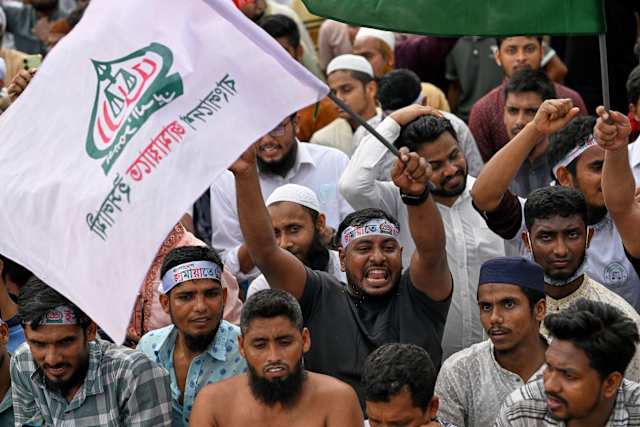
Jamaat rallies show growing force.
————————————————————
Media Under Siege and Broader Repression
December 19 attacks on Prothom Alo/Daily Star—vandalism, arson—marked press freedom low. Staff trapped; slow police response alleged.
Outlets supported Yunus yet targeted—accused India ties. Editors’ Council blamed Jamaat; calls for election delay.
Journalists face trials, mob violence; “pressure groups” excuse.
Secular institutions hit; Mujib sites vandalized.
Yunus style: indirect control via managers, aligning with radicals to stabilize.
————————————————————
Conclusion: Brink of Conflict or Managed Transition?
Hadi’s death exposed Bangladesh’s fractures: power struggles masked as justice demands, Islamists gaining amid exclusions.
Yunus presides over polarization—reforms slow, Awami banned, radicals emboldened. Elections loom, Tarique returns, but civil war fears echo 1971 complexities.
Legacy at stake: transition to inclusive democracy or radical shift? International stakeholders watch; calm urged, investigations promised.
In divided nation, path forward demands dialogue, accountability—lest unrest spirals, undoing uprising’s gains. Stability hangs on bridging divides before February polls.