

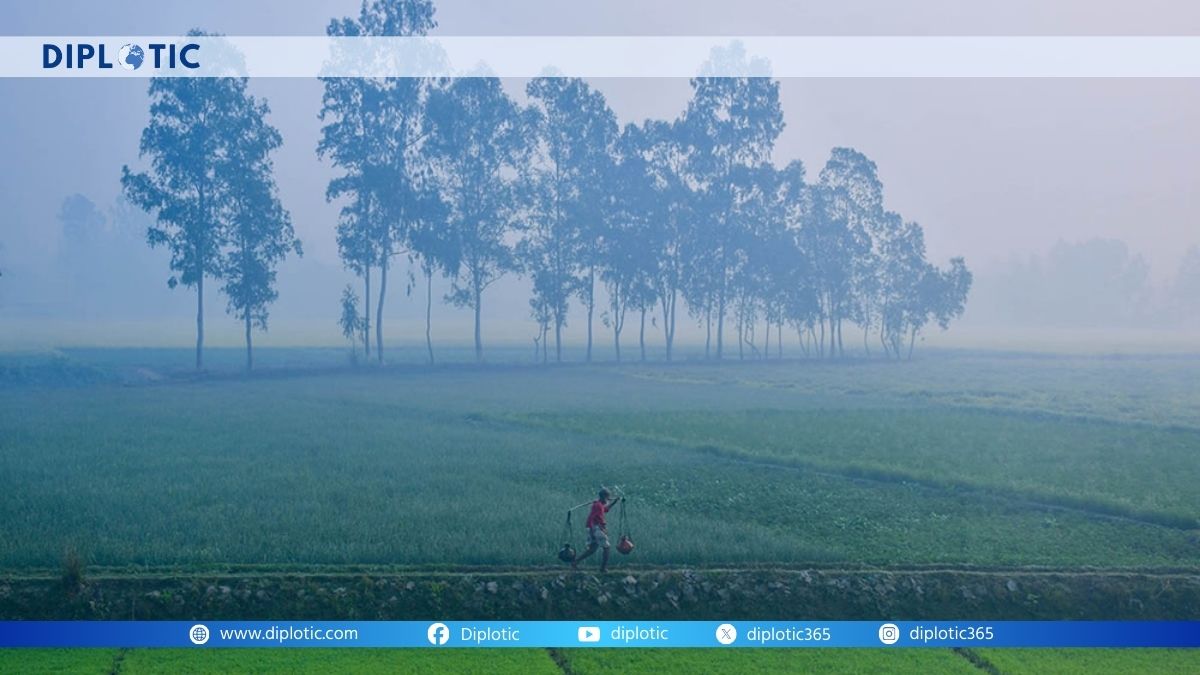
A mild cold wave has gripped parts of Bangladesh in early January 2026, bringing lower temperatures and dense fog. As of January 3, the Bangladesh Meteorological Department reports it affecting nine districts, mainly in the north and west: Rajshahi, Pabna, Naogaon, Sirajganj, Nilphamari, Kurigram, Jashore, Chuadanga, and Kushtia. Dhaka recorded its season’s lowest at 12.5°C, with fog reducing visibility. This weather started late December 2025 and intensified around Christmas. Forecasts predict three to five cold waves this month, possibly including severe ones. Farmers worry about winter crops like potatoes, tomatoes, onions, and Boro rice seedlings. Cool, damp conditions raise disease risks, while fog blocks sunlight needed for growth. Experts note some crops face big threats, others less. This could lower yields and raise prices if it lasts. Past cold waves show similar issues, making timely action key for food supply.
Which Crops Face the Greatest Risks from the Cold?
Potatoes stand out as most vulnerable. Cool temperatures and high humidity favor late blight, a fast-spreading fungal disease that damages leaves and tubers. Mahbuba Begum from the Tuber Crop Research Center explains these conditions speed infection. Tomatoes, capsicum, eggplant, and cucurbits risk powdery mildew and other issues. Onions and garlic may get tipburn or purple blotch. Pulses face leaf spot, rust, and Stemphylium blight. Mustard could develop white mould or leaf spot before flowering.
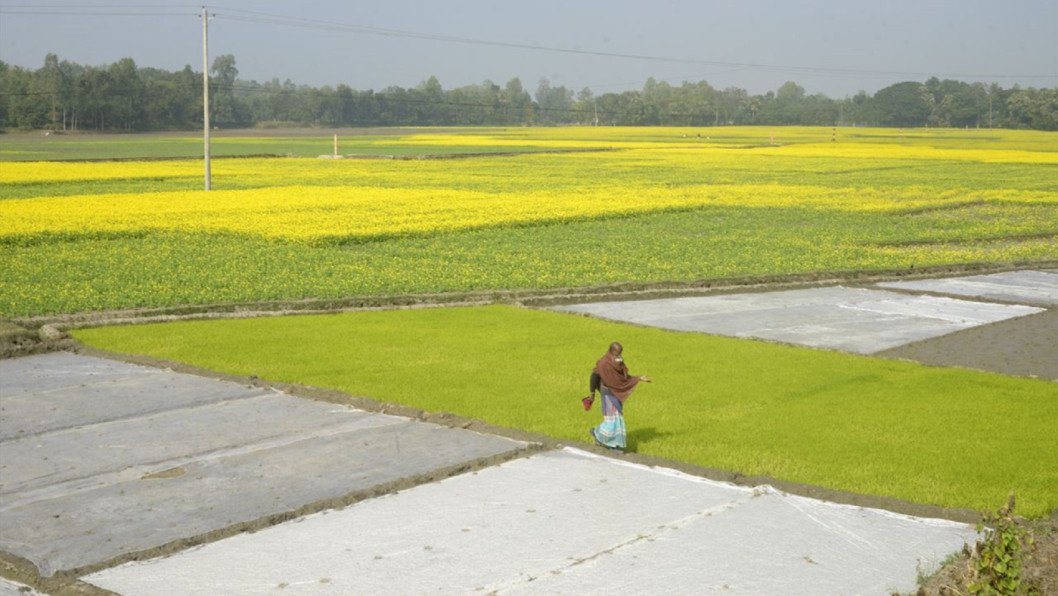
In Naogaon, farmers cover Boro rice seedlings with polythene to shield from cold and fog. Low sunlight stunts growth, raising rot risks. Yet seedlings often recover, as growth pauses naturally in seedbeds.

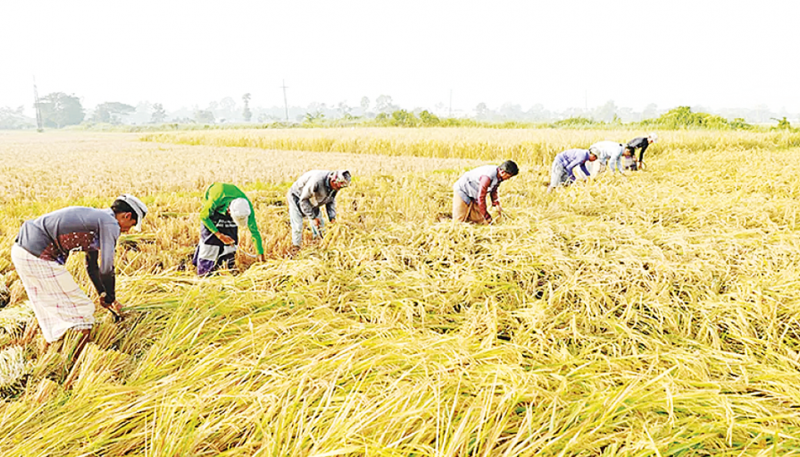
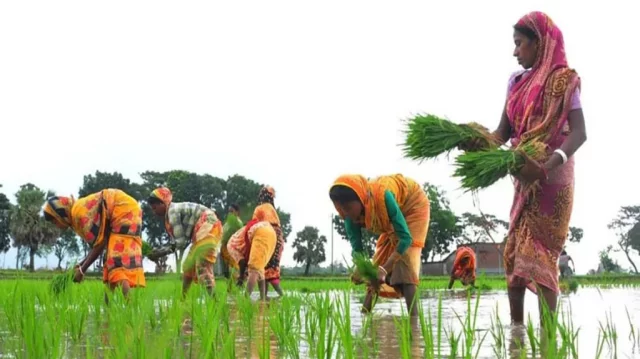
Not all crops suffer equally. Sweet potatoes and mustard show little threat. Rice director Mohammad Khalequzzaman notes recent spells caused temporary stops but no major losses yet, as plants weren’t transplanted. Prolonged cold below 10-13°C could delay maturity and cut yields. Damp air spreads diseases, but some vegetables thrive in cool if dry. This mix shows weather’s dual impact: harm to sensitive crops, potential benefit to hardy ones. Farmers in north districts report more worry, where cold hits hardest.
What Diseases Are Spreading and How Serious Are They?
Late blight leads concerns for potatoes. It causes dark leaf spots, wilting, and tuber rot, spreading fast in cool, wet weather.
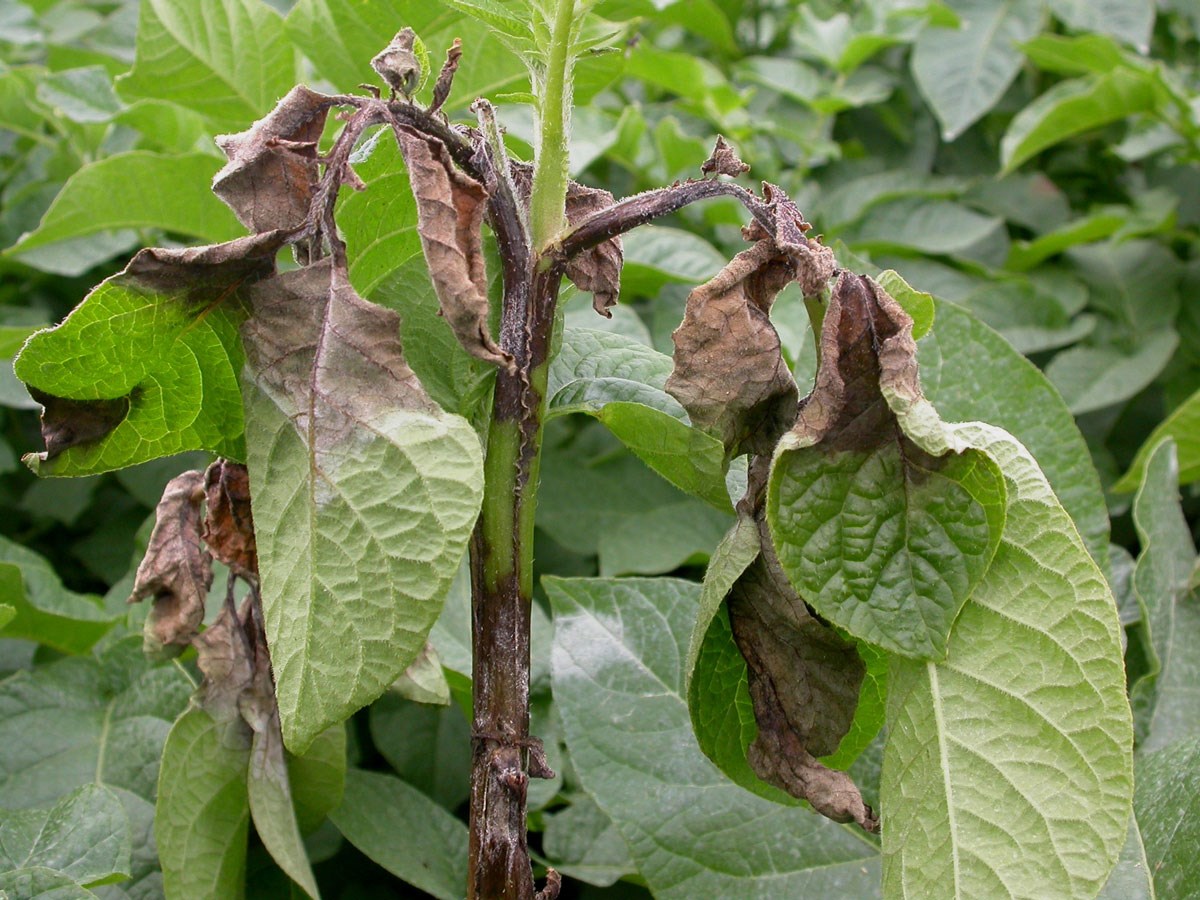
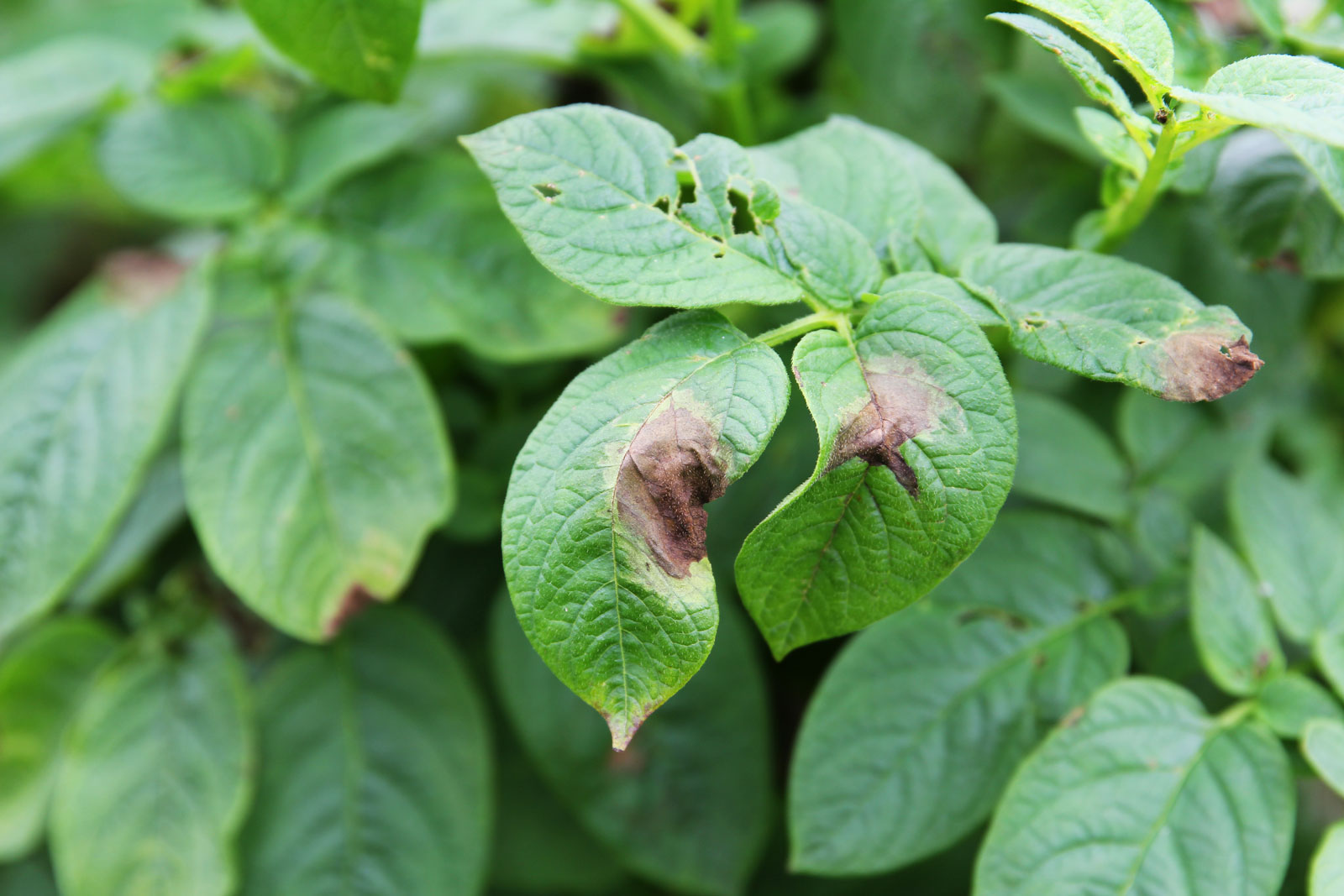
Limu Akter from the Horticultural Research Center says current conditions boost late blight and powdery mildew in vegetables like tomatoes and eggplant. Prolonged spells stunt plants and raise infection chances.
Fog worsens this by trapping moisture and blocking sun, slowing drying and photosynthesis. For onions, purple blotch appears as purple leaf spots. Pulses risk multiple fungal issues.
Experts view seriousness as manageable now with action. Recent wave wasn’t long enough for big damage. But extension risks rapid spread. Past events show untreated late blight destroys fields. Vegetable fields in affected areas show early signs, like discolored leaves on potatoes and tomatoes.
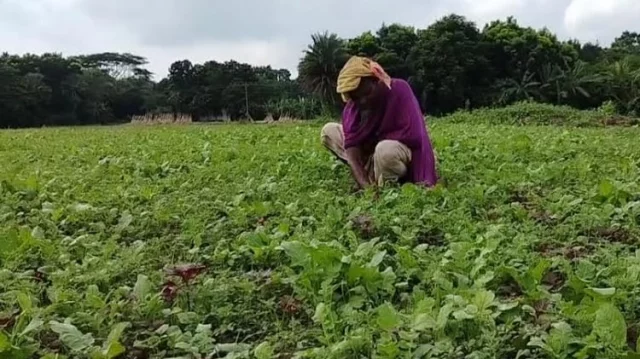
Broader views link to climate patterns. Winters grow variable, with more intense spells. This affects planning, as farmers expect milder conditions. Agro-Meteorological Service bulletins highlight vulnerabilities, urging monitoring.
How Can Farmers Protect Crops and What Lies Ahead?
Experts offer clear advice. For potatoes, apply fungicides every seven days to control late blight. Cover seedbeds with polythene or straw to retain warmth and reduce fog exposure. Ensure good drainage to lower humidity.
The Department of Agricultural Extension shares guidelines: monitor fields daily, remove infected parts early, and use approved chemicals timely. Irrigation at right times helps some crops withstand stress.
Forecasts predict more waves this January, with possible severe ones. If prolonged, yields could drop, raising vegetable and rice prices. Short-term, recent spell caused minimal measured losses.
Longer view ties to climate change, bringing unpredictable winters. Past cold waves disrupted production, leading to shortages. This year, early alerts help preparation. Success depends on farmer access to inputs and info. With quick action, damage can stay low. Ongoing monitoring and support from extension services will shape outcomes. This spell reminds of agriculture’s link to weather, urging resilience for stable food supply ahead.




