

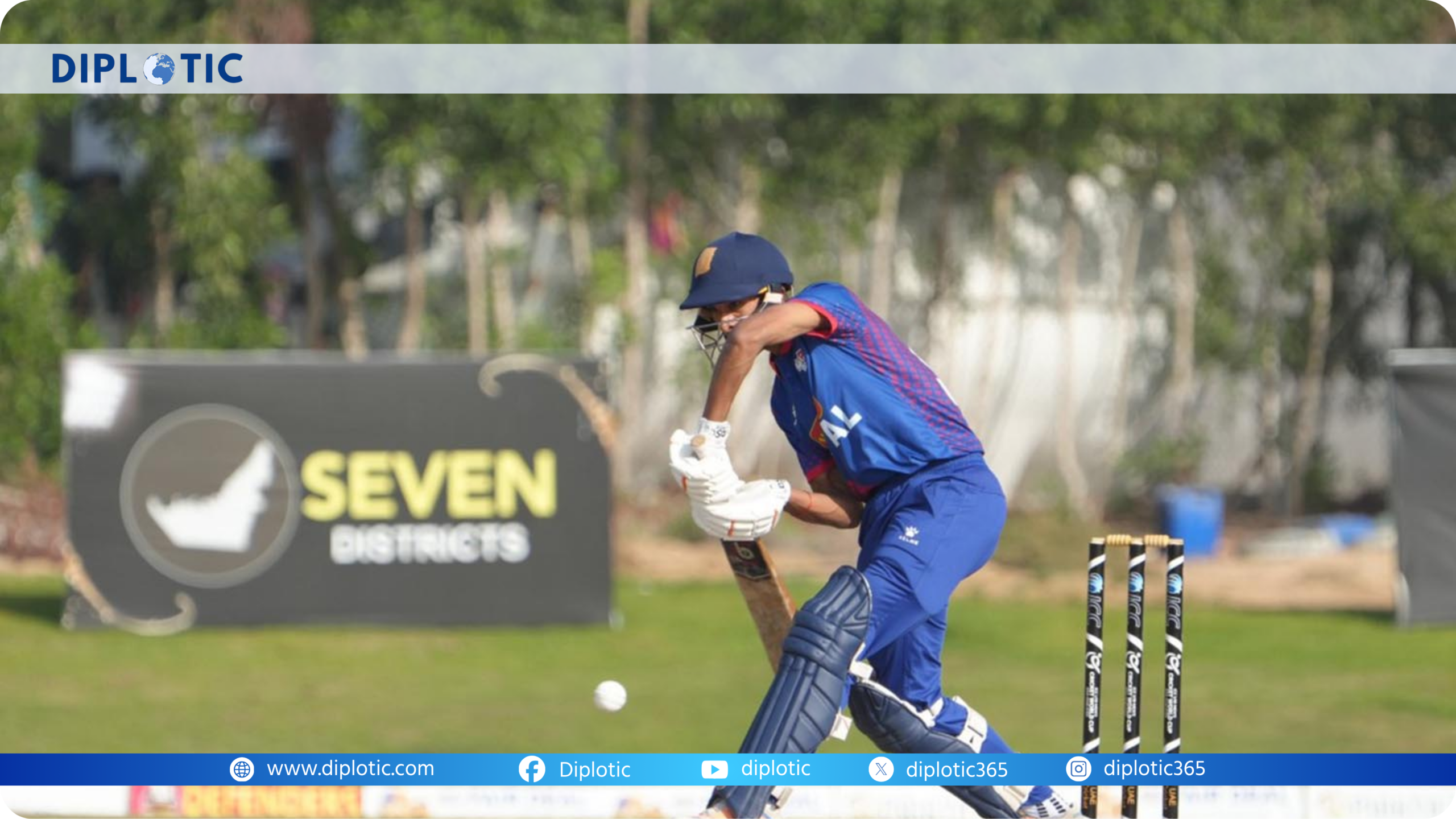
At just 20, Arjun Kumal is doing something Nepali cricket has seen before—but rarely sustained. He is not just scoring runs; he is rewriting the tempo of domestic dominance. With a record-breaking sprint to 1,000 runs in the Men’s PM Cup, Kumal is forcing a question that Nepali selectors can no longer postpone: how long can you ignore consistency this loud?
His latest century—102 under pressure—was not just another stat-padding innings. It came when his team was collapsing, turning a near-defeat into a statement win. In a cricket culture where promise is abundant but patience is scarce, Kumal is building something rarer: credibility.
The Numbers Are No Longer Ignorable
Let’s be blunt—Nepal has produced flashy talents before. But Kumal’s case rests on something stronger than hype: sustained performance.
- Fastest to 1,000 runs in the Men’s PM Cup
- Over 1,000 runs in just 25 matches
- Consistent top scorer across multiple seasons
- Leading run-getter again in the 2026 edition
In 2025, he outscored established names like Kushal Bhurtel, Dipendra Singh Airee, and Rohit Kumar Paudel—not in a breakout fluke, but across an entire tournament.
This is not a player in form. This is a player in command.
The Innings That Defines His Character
Great players are not measured by centuries alone, but by when those centuries arrive. Kumal’s 102 came with his team at 60/6—a situation that typically produces damage control, not dominance.
Partnering with skipper Bipin Khatri, Kumal stitched together a record 167-run stand. That partnership didn’t just rescue an innings—it redefined the match narrative.
This is where Kumal separates himself from the crowd. He doesn’t just accumulate runs; he absorbs pressure. And in South Asian cricket, where collapses are psychological as much as technical, that trait is gold.
The U19 Pedigree: A Star in Waiting
Kumal’s rise is not accidental. His performances for Nepal’s youth teams already hinted at a bigger stage.
During the ICC Under-19 Cricket World Cup qualifiers, he delivered when it mattered, including a century that helped secure Nepal’s qualification. Against stronger opposition like New Zealand and Afghanistan, he showed temperament beyond his age.
This matters. Because domestic dominance can be misleading—but international youth performance is often the real audition.
The Missing Piece: Why No Senior Debut Yet?
Here’s where the story turns uncomfortable. Despite his numbers, Arjun Kumal has yet to debut for Nepal’s senior team.
This raises structural questions about selection in Nepali cricket:
- Is experience being valued over performance?
- Are formats (ODI vs T20) limiting his entry?
- Or is this simply another case of talent stuck in transition?
To be fair, Kumal’s T20 exposure remains limited. In franchise leagues, he has barely been given opportunities to prove himself. But that feels less like a weakness and more like a systemic blind spot.
Because if a player dominates the longer format this consistently, the burden should shift to selectors—not the player.
The Bigger Picture: Nepal’s Talent Pipeline Problem
Kumal’s story is not just about one cricketer. It reflects a recurring pattern in Nepali cricket—talents rise quickly but often stall before reaching the senior stage.
The gap between domestic cricket and international selection remains uneven. Players either break through dramatically or linger in uncertainty. There is rarely a structured transition.
If Kumal’s trajectory is handled right, he could become more than just another promising name—he could represent a shift toward merit-based progression.
So, Is He the Next Big Thing?
The answer is both simple and complicated.
Yes—because his numbers, temperament, and consistency already place him ahead of many peers.
But also not yet—because in cricket, potential is only validated at the highest level. Until he wears the national jersey, the narrative remains incomplete.
For now, Kumal himself seems unfazed: keep scoring, keep winning, and let the noise build.
Nepali fans, however, are less patient. They’ve seen enough to believe that this is not just another rising player—this could be the next cornerstone of Nepal’s batting future.
And the longer the wait continues, the louder the question becomes:
What exactly is the system waiting for?




