Legacy of Interference: Tech’s Troubled History with Political Messaging
Big Tech has long faced accusations of tilting the scales in American politics, and Apple’s upcoming iOS update revives those debates with fresh urgency. From the early days of social media, platforms like Facebook and Twitter shaped political discourse through algorithms that amplified certain voices while muting others. In 2016, revelations about Cambridge Analytica’s data harvesting exposed how targeted ads swayed elections, prompting scrutiny over tech’s role in democracy. By 2020, conservatives claimed systematic bias, pointing to Twitter’s suspension of accounts and Facebook’s fact-checking that disproportionately flagged right-leaning content. Google’s Gmail came under fire in 2022 when studies from North Carolina State University showed it marked 67% of conservative emails as spam, compared to just 10% from liberals, costing Republicans an estimated $2 billion in lost donations from 2019 to 2022. This pattern echoes broader concerns about censorship in digital spaces, as explored in Britannica’s overview of internet regulation and its impact on free speech (https://www.britannica.com/topic/censorship/The-Internet).
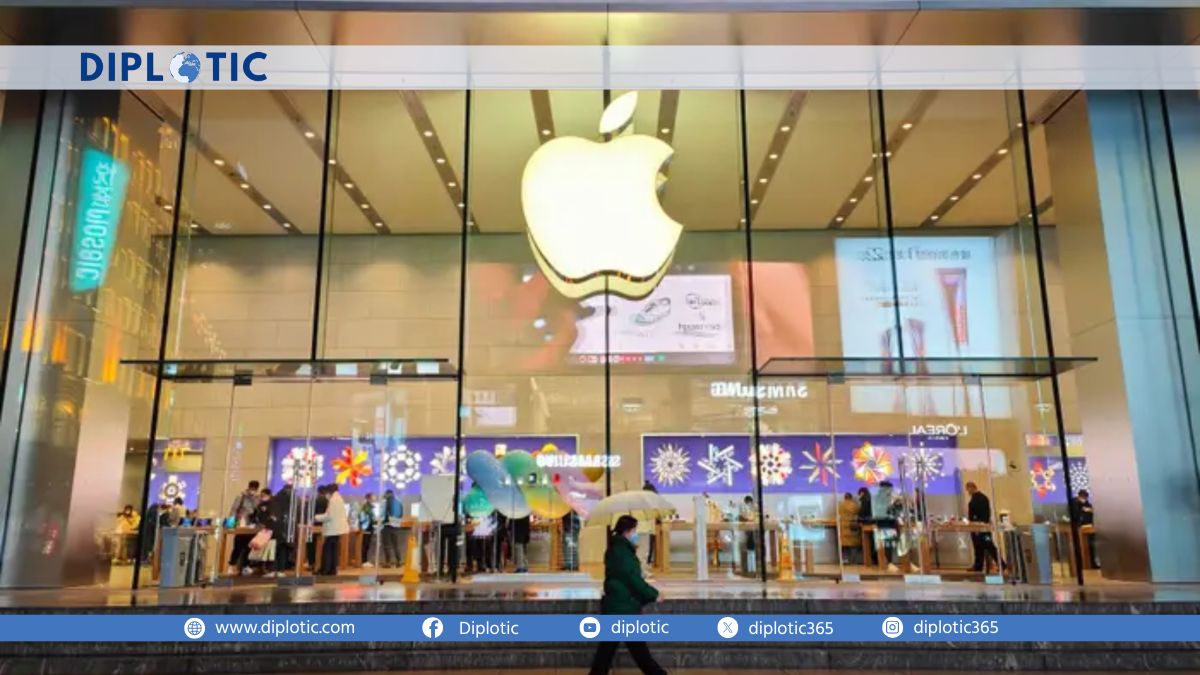
Today, Apple’s iOS 26 update, set for September 2025, introduces an enhanced “Screen Unknown Senders” feature that routes texts from unrecognized numbers to a separate folder without notifications. This builds on the existing Filter Unknown Senders in iOS 18, but now includes a blue badge alerting users to unread messages, making it easier to check the folder if desired. Apple positions it as a tool against spam, scams, and unwanted solicitations, aligning with privacy enhancements like Mail Privacy Protection. Yet, Republican fundraisers see it as a direct threat. Sean Dollman of Launchpad Strategies, which raised $509 million for Trump’s 2024 campaign, told Fox News Digital, “Big Tech has suppressed him, suspended him, and banned him outright. And now they’re trying to make it so he can’t text anybody either.” The National Republican Senatorial Committee (NRSC) warned in a July 2025 memo that this could cost over $25 million in revenue, given Republicans’ heavy reliance on text campaigns—twice that of Democrats in 2024.
This development highlights contradictions in tech policy. Apple, a company valued at over $3 trillion, champions user privacy amid growing data breaches, yet its moves often intersect with politics. In Europe, similar app store regulations under the Digital Markets Act have forced changes, drawing comparisons to U.S. antitrust suits against Google. Economically, political fundraising via texts generated billions in 2024, with small-dollar donations fueling grassroots efforts. If the filter reduces visibility, it could widen the gap between well-funded incumbents and challengers. Looking forward, as midterms approach in 2026, this could force a reevaluation of digital strategies, potentially shifting funds to less regulated channels like direct mail or apps. But if perceived as bias, it risks escalating calls for regulation, mirroring the 2022 push to reform Section 230 protections for platforms.
Mechanics Under Scrutiny: Dissecting the Filter’s Design and Reach
At its core, the iOS 26 update refines a system meant to shield users from digital noise, but its rollout timing—just before midterm campaigns intensify—fuels suspicions of unintended or deliberate political fallout. The feature activates only if users toggle it on in settings, a detail often overlooked in heated rhetoric. Once enabled, it scans incoming texts: if the sender’s number is not saved in contacts and there’s no prior chat history, the message lands in an “Unknown Senders” folder. No alert sounds, and links or attachments remain inactive until viewed. A new interface adds a badge showing unread counts, which Apple says improves accessibility compared to the hidden nature of current filters. Beta testing since July 2025 has shown it affects not just politics but everyday communications, like appointment reminders or delivery updates from unsaved numbers.
Historically, such tools evolved from anti-spam efforts in the 2000s, when email filters like Gmail’s transformed inboxes. Apple’s version draws from that legacy, prioritizing user control amid rising scam texts, which the FTC reported cost Americans $10 billion in 2024. Yet, for politics, the stakes differ. Data from WinRed, the GOP’s fundraising platform, indicates texts drove 70% of small-dollar contributions in 2024, with open rates far higher than email. Democrats, using platforms like ActBlue, rely less on mass texting, favoring integrated apps and email lists. This asymmetry means Republicans could see steeper losses, with the NRSC estimating $500 million at risk if 60% of iPhone users—America’s majority smartphone base—enable the filter.
Critics highlight hypocrisies: Apple markets privacy as a core value, yet its ecosystem locks users in, raising antitrust concerns similar to those in the EU’s probes. Fast Company reported in July 2025 that the feature might actually boost visibility for some by making the folder more prominent, countering claims of suppression. Still, X posts from users and operatives mock the GOP’s panic, with one noting, “If your movement dies when people choose privacy, maybe it was never about persuasion, only intrusion.” As the update nears, Apple has not commented, but experts suggest minimal overall impact since it’s opt-in. In the future, if adoption rises amid spam fatigue, campaigns may pivot to consent-based models, fostering more targeted outreach but potentially reducing spontaneous donations by 20-30% by 2028.
Partisan Impacts: Why the GOP Bears the Brunt and Broader Ramifications
Republicans’ heavier dependence on text fundraising exposes a vulnerability that Democrats largely avoid, revealing strategic miscalculations in digital tactics. In 2024, GOP campaigns sent twice as many texts as their counterparts, capitalizing on high engagement rates—up to 98% open rates versus email’s 20%. This approach, honed during Trump’s eras, targeted low-propensity voters with urgent appeals, raising $737 million via Gmail alone in 2020 despite filters. But with iOS 26, unsaved short codes used for mass blasts could vanish into obscurity, amplifying losses in a landscape where iPhones dominate 57% of the U.S. market. The Democratic turmoil post-2024—after losing working-class support—has not prompted similar text reliance, as they favor data-driven emails and apps less affected by filters.
This disparity stems from policy contexts: conservatives often decry Big Tech bias, as in 2022’s joint statement from RNC leaders calling Google’s actions “egregious” suppression. Yet, Apple’s feature applies neutrally, raising questions about why Republicans did not diversify sooner. Comparisons to China’s WeChat, where state filters control political messaging as detailed in Britannica’s analysis of digital authoritarianism (https://www.britannica.com/topic/authoritarianism/Digital-authoritarianism), underscore risks when tech gatekeeps discourse. Economically, a $25 million NRSC hit could strain midterm efforts, where control of Congress hangs by slim margins.
Responses are underway: texts now urge recipients to save numbers or reply to build history, like “From Trump: Did you save my number yet?” X discussions highlight workarounds, with posts warning of “hundreds of millions” lost if unaddressed. In the long term, this could push for bipartisan tech reforms, but if ignored, it risks entrenching divides, with Republicans lagging in adaptive strategies by 2030 amid evolving privacy laws.
Adaptive Horizons: Strategies, Backlash, and the Evolving Tech-Politics Nexus
As campaigns adapt, the iOS update could reshape political engagement, forcing innovation amid backlash. Republicans are circulating memos and testing beta versions, with firms like Launchpad urging contact-saving prompts to bypass filters. This mirrors 2022’s Gmail adjustments, where training algorithms reduced spam flags. Yet, contradictions persist: conservatives champion free markets but seek interventions against perceived bias, as seen in calls to regulate Apple.
Geopolitically, this fits a global trend where tech privacy clashes with governance, like India’s data localization laws curbing foreign apps. Economically, lost funds could slow GOP recovery post-2024 gains, affecting ad spends that topped $15 billion cycle-wide. Future implications include a shift to AI-driven personalization, potentially closing the gap but raising ethical concerns over data use. If the filter proves effective against scams, user adoption may climb, compelling all parties to build opt-in lists by 2028, fostering healthier discourse but challenging incumbents reliant on broad outreach.