On the battlefield of the future, a silent revolution is taking place. Drones, formerly the preserve of enthusiasts and hobbyists, are now a vital military tool. But as these unmanned aerial vehicles (UAVs) become more widespread, the question must be asked: Are they making the world a safer place, or are we setting the stage for a new era of impersonal, high-tech warfare with unknown consequences?
The Rise of Drones in Warfare
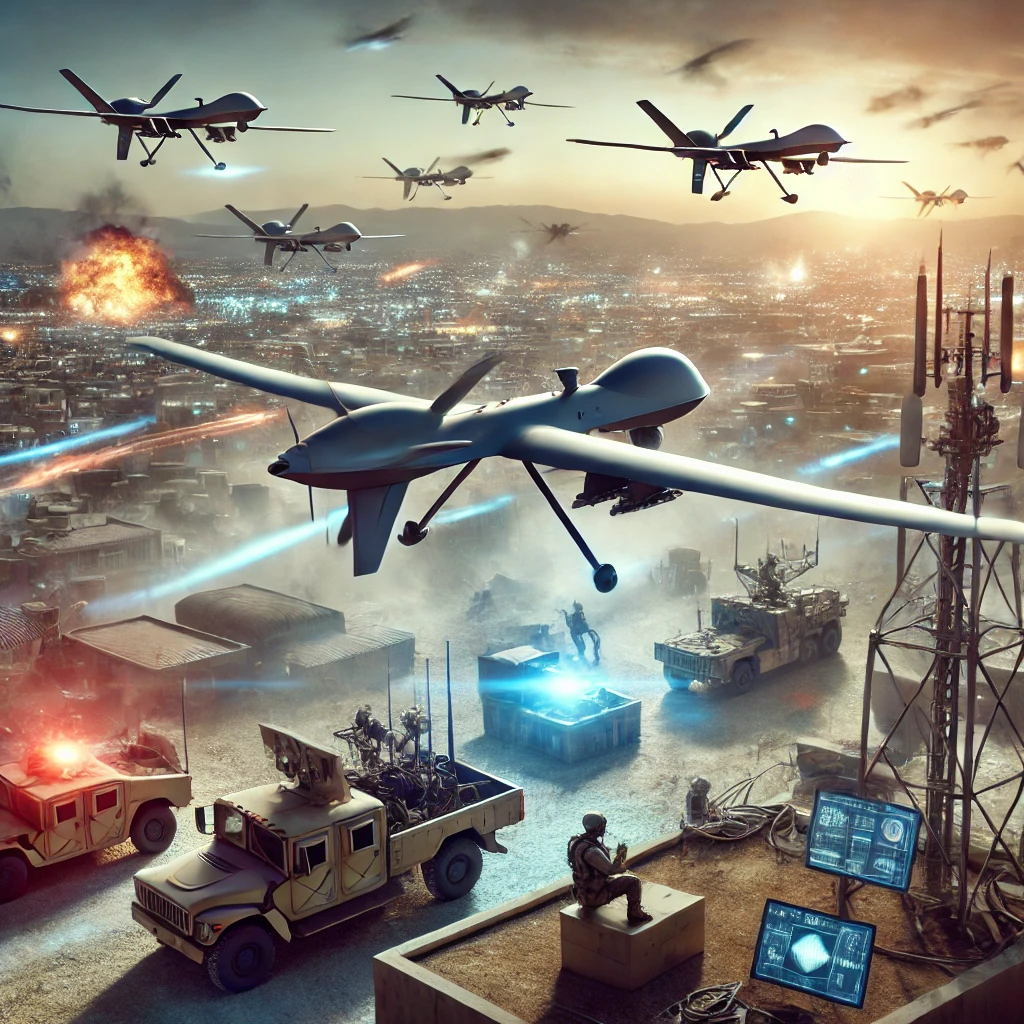
Drones have been part of military arsenals for decades, primarily used for reconnaissance and surveillance missions. Their function increased in the recent decades, becoming weaponized systems with abilities to conduct precision strikes. The United States, Russia, China, and Turkey all possess sophisticated UAV programs, and they have utilized drones in wars in the Middle East, Eastern Europe, and Africa.
A case in point is the U.S. deployment of Predator and Reaper drones for targeted assassinations. The UAVs have proved effective at killing leading terrorist leaders but have also come under ethical scrutiny regarding civilian casualties as well as the covert nature of drone attacks.
A Game-Changer for Military Strategy
Drones have changed war. Previously, soldiers had to be on the ground and risk their lives. Now, a pilot in a room thousands of miles away can accomplish a mission with the push of a button, minimizing risks for soldiers and streamlining missions.
Drones are also much less expensive than traditional fighter planes or helicopters. Countries with stringent defense budgets can now dispatch fleets of drones rather than spend money on expensive aircraft. Drones have been used for offensive purposes as well in modern warfare, apart from live reconnaissance, providing soldiers an advantage on the ground.
New Developments in Drone Warfare
The past few weeks have highlighted how drones are revolutionizing modern warfare:
Ukraine’s Drone Advances: Ukraine’s 12th Special Operations Brigade Azov Brigade unveiled a domestically manufactured drone named UAS SETH that has a sharp resemblance to Russia’s Shahed drones. The advancement allows Ukraine’s ability to easily hit Russian front-line targets. Ukraine’s military will invest over $2.6 billion on drone technology to minimize human losses and optimize battlefield effectiveness.
Escalation in the Red Sea: U.S. warships on March 16, 2025, intercepted and shot down drones launched by Houthi rebels against the USS Harry Truman aircraft carrier. The attack was a follow-up to a barrage of airstrikes by direction of President Donald Trump against Houthi attacks on Red Sea shipping, a indication of the stirring tensions and use of drones in naval conflicts now.
Drone Strikes during Russia-Ukraine War: Ukraine conducted a large drone strike on Moscow on 11 March 2025, and this was a huge escalation of the war. The strike displayed the expanding drone capacity of Ukraine as well as the strategic significance of UAVs in contemporary warfare.
Drone Warfare in West Papua: The traditional warriors of West Papua, with bows and arrows, are now confronting AI-powered drones used by Indonesian military forces. The contrast between the old and new weapons of war raises to the forefront the contentious ethical and cultural issues of the use of drones in warfare.
The Ethical Dilemma: Who is Responsible?
Though they have strategic advantages, drone warfare raises severe ethical and legal concerns. Who is responsible when a drone strike results in civilian casualties? Does the ease of using drones make it too tempting for nations to engage in conflicts that they otherwise would not be part of?
Critics say that drones depersonalize war. A soldier on the ground sees the devastation they inflict firsthand, but a drone pilot may see only an explosion on a screen. This distance can psychologically make it easier to initiate a deadly attack. Second, the spread of drone technology provides the ability to non-state actors to wage their own bombing campaigns at relatively little expense. The recent drones attack by Houthi insurgents on an American aircraft carrier is an example of how drones are being used by insurgent groups to counter more technologically advanced militaries.
The Future: Regulation or Escalation?
With drone warfare now becoming more widespread, the world is left with a burning question: How do we regulate it? Some demand stricter laws and international agreements to limit the use of killer drones, similar to past agreements on chemical or nuclear weapons. But such agreements are hard to realize, especially when nations view drones as critical to their defense policy.
Meanwhile, drone technology is rapidly advancing. AI-equipped drones that can decide for themselves are already being created. If those UAVs are utilized in battle, who is responsible for their actions—the programmer, the controller, or the nation that deploys them?
A Double-Edged Sword
Drones represent unequivocal benefits in contemporary warfare: they spare lives of soldiers, offer real-time information, and attack with precision. But they also pose new threats—ethical dilemmas, civilian casualties, and the risk of uncontrollable escalation. As we set out on this new era of conflict, we need to wonder what role drones will play in international security. Will they eventually deter conflict by making war too efficient to be effective, or will they bring the barrier to war down, making war simpler and more likely? The future of warfare by drone is unclear, but this much is certain: the world needs to learn to balance innovation and responsibility before technology gets ahead of our capacity to control it.