The U.S. strikes over 800 Houthi targets in Yemen after weeks of operations. The United States announced that it has struck over eight hundred Houthi targets in Yemen. The announcement marks a significant escalation in the ongoing efforts to contain the Iran-backed militant group, whose attacks on international shipping lanes and regional allies have posed growing threats to security in the Middle East.
The airstrikes, carried out primarily by U.S. Navy and Air Force assets, have targeted a broad range of Houthi infrastructure, including weapons depots, command centers, missile launch sites, and radar installations. American officials stated that the strikes were designed to degrade the Houthis’ military capabilities and limit their ability to launch further attacks on civilian and military vessels navigating through key waterways like the Red Sea and the Gulf of Aden.
Background: Rising Tensions and Houthi Aggression
Tensions have been building for months, as the Houthis, who control large portions of northern Yemen, intensified their assaults against shipping vessels and neighboring countries. Using sophisticated drone and missile technology, much of it allegedly supplied by Iran, the Houthis have carried out high-profile attacks that have disrupted global trade and inflamed regional conflicts. These attacks have not only endangered international cargo routes but have also threatened the stability of U.S. allies, notably Saudi Arabia and the United Arab Emirates.
The United States, working closely with a coalition of international partners, responded by launching a series of airstrikes aimed at curbing the Houthis’ growing reach. Defense officials emphasized that the strikes were calibrated to avoid civilian casualties while delivering a decisive blow to the group’s military infrastructure.
The Scale and Impact of the Strikes
Hitting over eight hundred targets represents one of the most significant aerial campaigns against the Houthis since the beginning of Yemen’s civil conflict. Military analysts suggest that the sheer volume of strikes has likely caused substantial damage to Houthi logistical networks and weapons supplies. U.S. Central Command reported that many of the targets were critical to the Houthis’ ability to conduct offensive operations, suggesting that their ability to strike shipping lanes and neighboring states may be significantly diminished, at least temporarily.
However, Pentagon officials cautioned that the Houthis remain a resilient force with deep entrenchment in the region. The group has repeatedly demonstrated an ability to adapt and regroup after previous setbacks. There are concerns that while the current strikes may blunt immediate threats, they might not be enough to fully neutralize the group’s long-term ambitions.
International and Regional Reactions
The announcement of the large-scale strikes was met with mixed reactions internationally. Allies such as the United Kingdom, France, and Saudi Arabia expressed strong support for the U.S. action, viewing it as a necessary step to protect vital shipping routes and defend international law. At the same time, human rights organizations and some diplomatic voices raised concerns about the potential for further escalation in an already volatile region.
Iran condemned the U.S. operations, accusing Washington of deepening the conflict and exacerbating civilian suffering in Yemen. Iranian officials warned that continued American involvement could provoke broader regional instability, threatening the fragile balance that has been maintained since the signing of several regional agreements in recent years.
Yemen’s Civilian Population Caught in the Middle
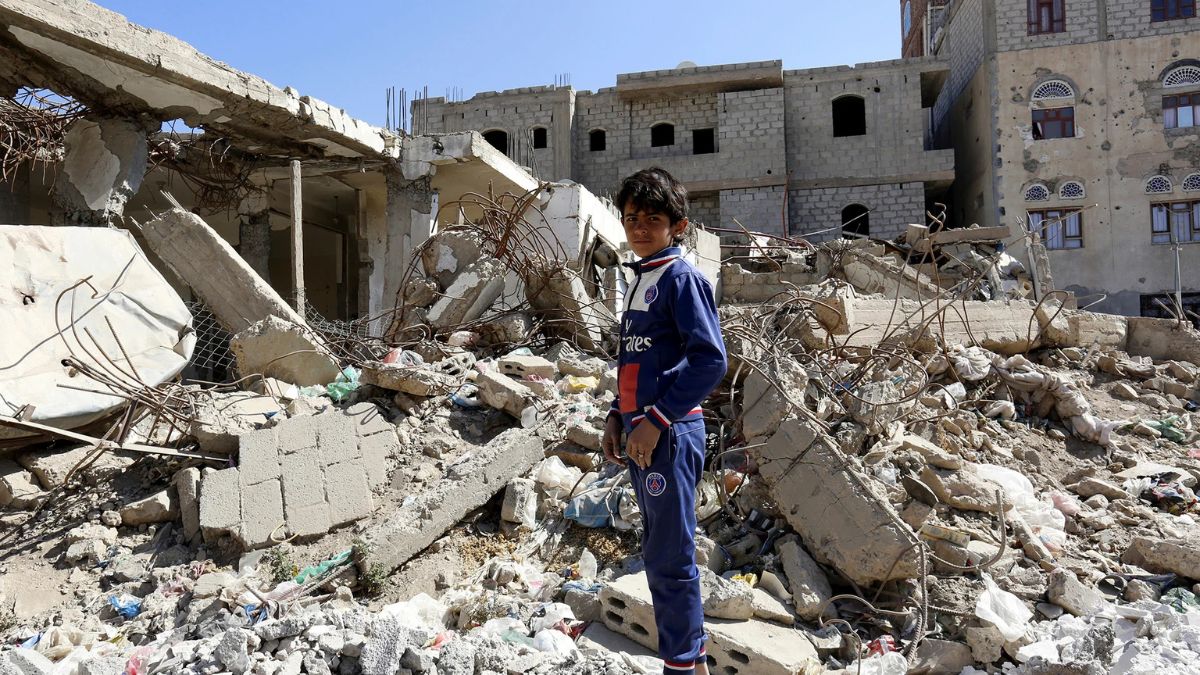
As with all conflicts, it is Yemen’s civilian population that stands to suffer the most. Years of war have already devastated the country, creating one of the worst humanitarian crises in the world. Aid organizations warn that intensified military campaigns risk worsening an already dire situation, making it harder for food, medicine, and essential supplies to reach those in desperate need.
Although the United States claims to be taking all precautions to avoid civilian casualties, the scale of the strikes and the complexity of Yemen’s conflict zones raise serious concerns. Without a comprehensive political solution, military victories alone may not lead to lasting peace.
The Road Ahead
While the successful targeting of over eight hundred Houthi positions is being touted as a major operational achievement by the U.S. military, experts agree that the conflict in Yemen is far from over. The Houthis, resilient and resourceful, are likely to regroup and find new ways to challenge international forces and regional powers.
Diplomatic efforts, including back-channel negotiations led by the United Nations and regional actors, are still ongoing, but progress remains slow and fragile. Ultimately, many analysts argue that only a negotiated political settlement — not airstrikes — will bring an end to the cycle of violence that has plagued Yemen for nearly a decade.
For now, the Biden administration stands firm in its position that force is necessary to protect international shipping and regional allies. But the risks of entanglement in yet another protracted Middle Eastern conflict loom large, with no clear exit strategy in sight.