The war with Iran has kept the Strait of Hormuz mostly closed for over two months. Vessel traffic has dropped sharply, and confidence among tanker crews remains low despite occasional ceasefires and partial reopenings. The strait normally carries around 20 million barrels of crude oil and oil products each day, plus roughly one-fifth of the world’s liquefied natural gas exports. It also moves large amounts of helium and urea used for fertilizer. This narrow waterway has long been recognized as one of the most important chokepoints in global trade. With traffic severely reduced, Gulf countries are now testing the emergency pipelines and bypass routes they built over the years. These alternatives are helping, but their capacity is limited. Experts say the options are few, expensive to expand, and still vulnerable to attack. The current crisis shows how difficult it is for the region to escape dependence on this single critical passage.
What bypass pipelines currently exist, and how well are they working?
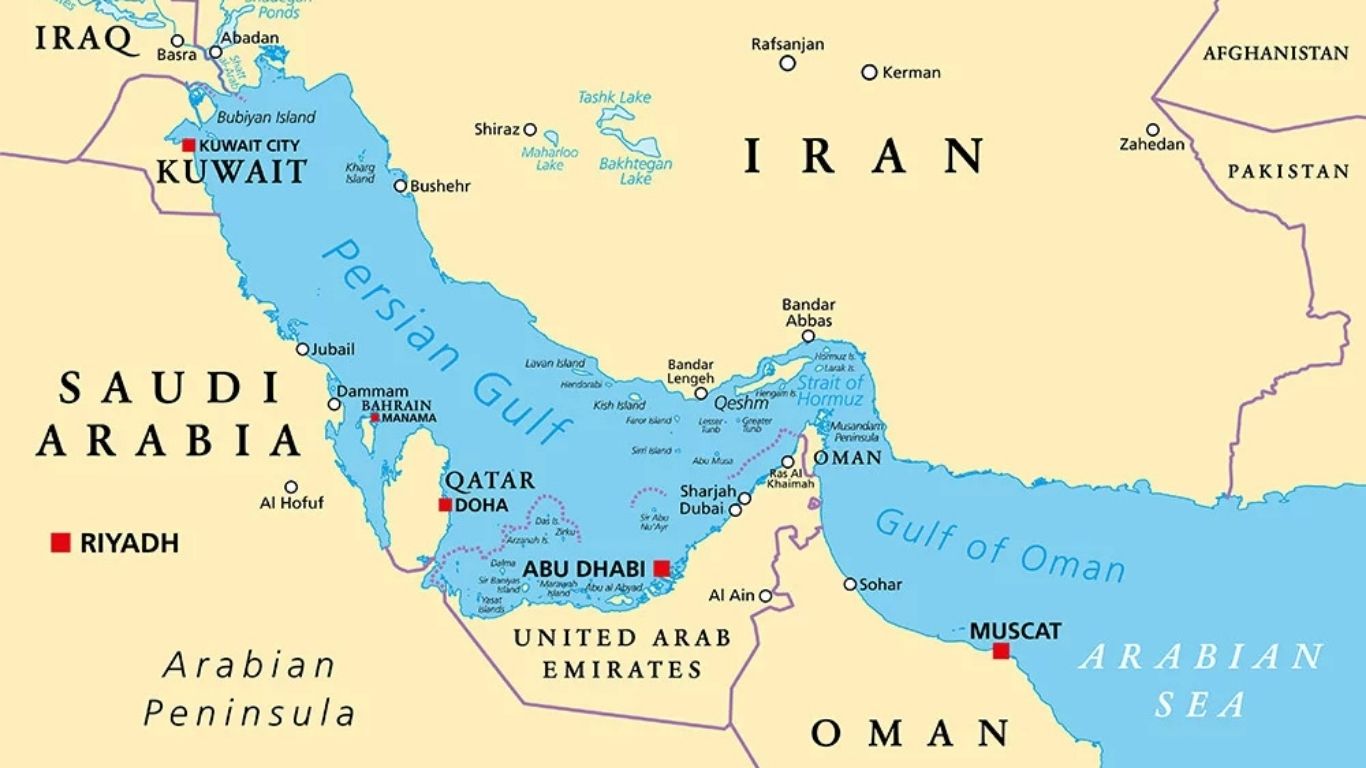
Gulf states have developed several pipelines over the decades to reduce reliance on the Strait of Hormuz. The most important one today runs across Saudi Arabia. The East-West Pipeline, also called Petroline, was built in the 1980s during the earlier Tanker War between Iran and Iraq. Its capacity was later increased to a maximum of 7 million barrels per day. Oil flows from eastern fields to the Red Sea port of Yanbu. From there, it can reach Europe through Egypt’s Sumed pipeline, which has a capacity of 2.5 million barrels per day. Since the current war began, flows through Sumed have increased by 150 percent, but its limited size still restricts how much oil can reach European markets.
Even this important route has faced problems. Iranian drone strikes hit a pumping station in April, temporarily cutting 700,000 barrels per day. Saudi Aramco restored full capacity within three days, which shows good repair ability. However, the attack itself highlights the vulnerability of these pipelines to disruption.
The United Arab Emirates has its own bypass called the Abu Dhabi Crude Oil Pipeline, or Adcop. It runs from Habshan to Fujairah on the Gulf of Oman, offering direct access to the Indian Ocean without passing through Hormuz. Its capacity is just under 2 million barrels per day. Like the Saudi pipeline, Adcop has also been targeted. Iranian drone strikes on Fujairah in March set storage tanks on fire and stopped loadings for a time. While Adcop gives the UAE some diversification, it does not solve the problem of easy targeting by drones or missiles.
For other Gulf producers, the situation is more difficult. Iraq normally exported 3.4 million barrels per day through its southern port of Basra and the strait. A northern pipeline from Kirkuk to Ceyhan in Turkey was reopened in 2025 and is now moving about 250,000 barrels per day, but this is only a small fraction of what Iraq has lost. Kuwait, which exported around 2 million barrels per day entirely through Hormuz, has no alternative pipeline. It declared force majeure in March and extended it in April, saying it cannot meet delivery contracts even if the strait reopens. Repairing and restarting production will take many months. Qatar’s crude exports are smaller, but its massive LNG industry at Ras Laffan, which supplies nearly 19 percent of global LNG trade, has no bypass route at all.
Iran itself built a pipeline from Goreh to Jask on the Gulf of Oman with a design capacity of 1 million barrels per day. However, sanctions and incomplete infrastructure have kept actual flows much lower. Loadings at Jask stopped for a time, and only limited volumes have moved during the war.
Together, these bypass routes currently provide between 3.5 million and 5.5 million barrels per day of crude capacity. While helpful, this amount is far below the 20 million barrels that normally pass through Hormuz. The existing infrastructure is being used to its limit, but it cannot fully replace the strait.
Why are the current alternatives not enough, and what would it take to build more?
The main problem is scale. Even the largest bypass pipelines cannot handle the full volume of oil and gas that normally flows through the strait. Loading terminals at Yanbu and Fujairah were never designed for such high speeds and volumes over long periods. Additional constraints, such as Egypt’s Sumed pipeline, further limit how much oil can reach certain markets.
Building new pipelines would be extremely expensive and time-consuming. Analysts estimate that creating enough capacity to truly replace Hormuz would cost hundreds of billions of dollars and take at least a decade of construction. New routes would also need new terminals, storage facilities, and supporting infrastructure. Even then, these pipelines would remain vulnerable to the same threats. Drones and missiles can strike pumping stations, storage tanks, or loading ports just as easily as they can target ships in the strait. The recent attacks on Petroline and Adcop have already proven this point.
For gas, especially Qatar’s large LNG exports, there are almost no realistic alternatives. LNG must be shipped by sea, and no practical land route exists to move such large volumes to the Indian Ocean or Red Sea. This leaves Qatar particularly exposed.
The current crisis has made clear that while bypass pipelines provide some relief, they are not a complete solution. They offer partial diversification but cannot remove the strategic importance of the Strait of Hormuz. Any long-term plan to reduce dependence would require massive investment, regional cooperation, and acceptance that new infrastructure would still face security risks.
What does this mean for the Gulf states and the global economy?
The limited alternatives to Hormuz leave Gulf producers in a difficult position. Saudi Arabia and the UAE can move some oil through their pipelines, but even they face constraints and attack risks. Smaller producers like Kuwait and Qatar have even fewer options. Disruptions affect not only oil but also LNG, fertilizers, and other critical materials. Higher prices and supply uncertainty are already being felt worldwide.
For the global economy, the situation shows how fragile key energy routes remain. Even with decades of planning and investment in bypasses, the world still depends heavily on this single chokepoint. A prolonged closure forces countries to draw down emergency reserves, bid higher for limited supplies, and accept slower economic growth.
The experience of the past two months suggests that true diversification away from Hormuz would demand far greater effort and resources than currently exist. Short-term workarounds help manage the crisis, but they cannot eliminate the underlying vulnerability. As the war continues, Gulf states and their international partners must weigh the high costs of new infrastructure against the ongoing risks of relying on the Strait of Hormuz. The current situation serves as a clear reminder that in today’s interconnected world, a single narrow passage can still shape the fate of global energy supplies and economic stability.
The challenge now is to learn from this stress test and decide whether to invest seriously in more resilient systems or continue managing risk with imperfect alternatives. The answer will affect energy security for decades to come.