

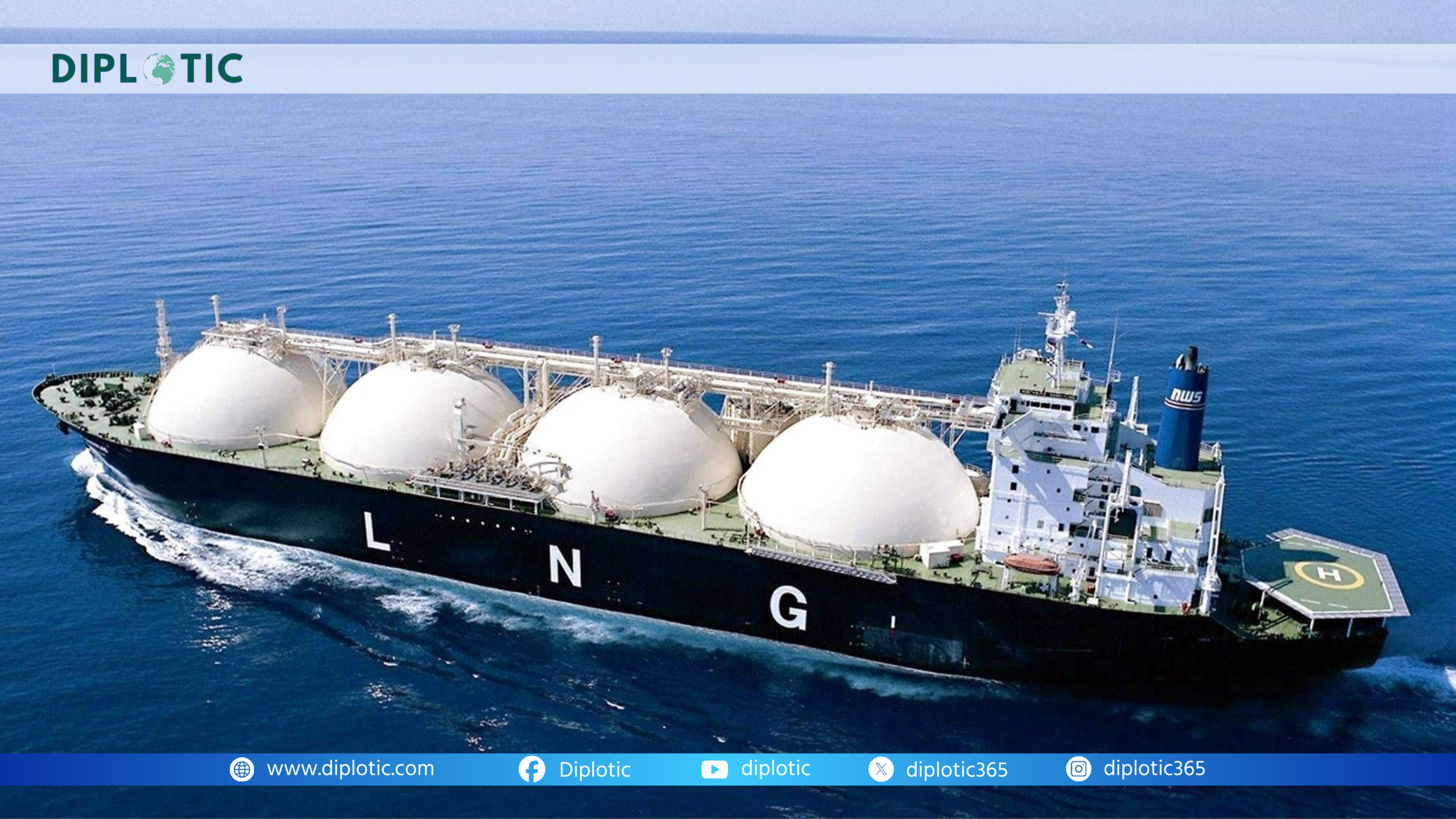
India is not part of the fighting in the growing conflict around Iran. Its forces are not involved in strikes, and its borders are far from the battlefield. Yet the effects of this war are moving quietly through global trade routes and supply chains. At the center of this risk is the Strait of Hormuz, a narrow waterway that carries a large share of the world’s oil and energy supplies. If this route is blocked for a long period, the impact on India may be deeper than many expect.
Most global attention focuses on oil prices when tensions rise in the Gulf. This is natural, as India is one of the world’s largest oil importers and depends heavily on foreign supply. However, the larger and less visible threat lies elsewhere. It is not just about fuel for cars or factories. It is about the cost of growing food and feeding people.
India’s economy and social system rely on a basic understanding between the state and its citizens: food must remain affordable. This is not only an economic issue but also a political and social one. If food prices rise sharply, the effects are felt immediately by millions of households. For a country with over a billion people, even a small increase in prices can push many into hardship.
The risk today is that a distant conflict could disrupt the supply of key inputs needed for agriculture. These inputs do not always make headlines, but they are essential for food production. If they become expensive or scarce, the effects will move from ports to farms and then to kitchens. This chain reaction is what makes the current situation serious for India.
The key question is not whether India can manage a short disruption. It has done so in the past. The real concern is whether it can handle a long and sustained shock. If the crisis continues, the country may face a deeper challenge that goes beyond energy and enters the core of food security.
Why Does the Strait of Hormuz Matter So Much for India?
The importance of the Strait of Hormuz comes from its role as a major route for global energy trade. A large share of oil and gas exports from the Gulf passes through this narrow channel. For India, the numbers are clear. A significant portion of its imported crude oil travels through this route, making it a key part of the country’s energy supply chain.
India has tried to reduce this dependence by buying oil from different countries, including Russia and others outside the Gulf region. It has also built strategic reserves to manage short-term disruptions. These steps show that policymakers are aware of the risks. However, these measures are limited in scope. They are designed to handle temporary shocks, not long-term closures.
If the strait remains blocked for weeks or months, the impact will go beyond physical supply. Shipping routes will become longer and more expensive. Insurance costs for vessels will rise. Global oil prices will increase as supply tightens. All of this will raise India’s import bill.
Higher oil prices affect many parts of the economy. Transport becomes more expensive, which increases the cost of goods. Industries that rely on fuel face higher operating costs. Inflation rises, and economic growth slows. The Reserve Bank of India may respond by raising interest rates, which can further reduce investment and spending.
However, these are the visible effects. The deeper issue lies in how energy links to agriculture. Fuel is not only used for transport; it is also part of the process of producing fertilizers. When energy prices rise or supplies are disrupted, fertilizer production becomes more expensive. This is where the impact on India becomes more serious.
The country’s dependence on imported energy means that any disruption in the Gulf region quickly spreads through the economy. While diversification helps, it cannot fully replace the scale and cost advantages of Gulf supplies in the short term. This creates a situation where India remains exposed, even if it is not directly involved in the conflict.
Is Fertilizer the Real Weak Link in India’s Food System?
The most critical and often overlooked risk for India lies in its fertilizer supply. Fertilizers are essential for maintaining crop yields, especially in a country where agriculture supports a large population. India imports a significant amount of its fertilizer needs, including urea, diammonium phosphate, and potash. Many of these supplies come from the Gulf region or depend on energy inputs from that region.
If the Strait of Hormuz is disrupted, the supply of these materials can be affected. Even if shipments continue, prices are likely to rise due to higher transport and production costs. This creates a difficult situation for the government. It must decide whether to increase subsidies to keep prices stable or allow prices to rise for farmers.
India already spends heavily on fertilizer subsidies to support its agricultural sector. If global prices increase sharply, this subsidy burden will grow. Over time, this may become difficult to sustain. If subsidies are reduced, farmers may use less fertilizer, leading to lower crop yields.
Lower production means less food in the market. At the same time, demand remains high because of the large population. This imbalance pushes food prices upward. For many households in India, food accounts for a large share of total spending. Even a small increase in prices can reduce their ability to afford basic nutrition.
The effects are not limited to farmers or rural areas. Urban households also feel the impact through higher market prices. Food inflation can quickly become a national issue, affecting economic stability and public confidence.
This chain of events shows how a disruption in a distant region can directly affect daily life in India. The link between fertilizers and food security is strong and immediate. Unlike oil, which can sometimes be replaced or delayed, the agricultural cycle depends on timely inputs. Missing a season can have lasting effects.
Can India Manage the Economic and Social Impact?
The broader impact of rising food and energy costs extends across the entire economy. When food prices increase, inflation rises. This affects purchasing power and reduces consumer spending. Businesses may face higher costs, and economic growth can slow down.
The Reserve Bank of India plays a key role in managing inflation. It may raise interest rates to control price increases. However, higher rates can also slow investment and growth. This creates a difficult balance between controlling inflation and supporting the economy.
At the same time, the government must manage its fiscal position. Increased spending on subsidies and higher import costs can widen the budget deficit. This limits the ability to invest in other areas such as infrastructure, health, and education.
The social impact is equally important. Rising food prices affect low-income households the most. These families spend a large portion of their income on food. When prices rise, they may reduce the quality or quantity of their diet. This can lead to increased malnutrition, especially among children.
India already faces challenges related to nutrition and poverty. A sustained increase in food prices could worsen these issues. It could also lead to social tension, especially if people feel that basic needs are becoming unaffordable.
The situation is further complicated by global competition for resources. Wealthier countries and large corporations can secure supplies by paying higher prices. This leaves developing countries like India at a disadvantage in global markets.
These factors show that the impact of the Iran conflict is not limited to one sector. It spreads across energy, agriculture, finance, and society. Managing this requires coordinated action across different areas of policy.
Is This Crisis a Warning About India’s Long-Term Strategy?
The current situation highlights deeper structural issues in India’s economy. The country depends heavily on imported inputs for both energy and agriculture. While this system works during stable times, it becomes vulnerable during global disruptions.
India has taken steps to reduce these risks. It has diversified its energy sources, built reserves, and explored alternative suppliers for fertilizers. It is also investing in domestic production and renewable energy. These efforts are important, but they take time to deliver results.
The challenge is that global supply chains are interconnected. A disruption in one region can affect multiple sectors at once. This makes it difficult to fully protect the economy from external shocks.
The Iran conflict serves as a reminder that food security depends on more than just domestic production. It relies on stable access to inputs and smooth functioning of global trade routes. When these are disrupted, even countries not directly involved in the conflict can face serious consequences.
Looking ahead, India may need to rethink its approach to food and energy security. This could include increasing domestic production of key inputs, improving efficiency in agriculture, and building stronger supply networks. It may also involve closer cooperation with other countries to ensure stable access to resources.
The current crisis may pass, and the Strait of Hormuz may reopen. However, the risks it has exposed will remain. Future disruptions, whether due to conflict, climate change, or other factors, could create similar challenges.
India’s ability to respond will depend on how well it learns from this moment. The goal is not only to manage the current crisis but to build a system that can withstand future shocks. In a world of growing uncertainty, this may be one of the most important tasks for the country’s policymakers.




