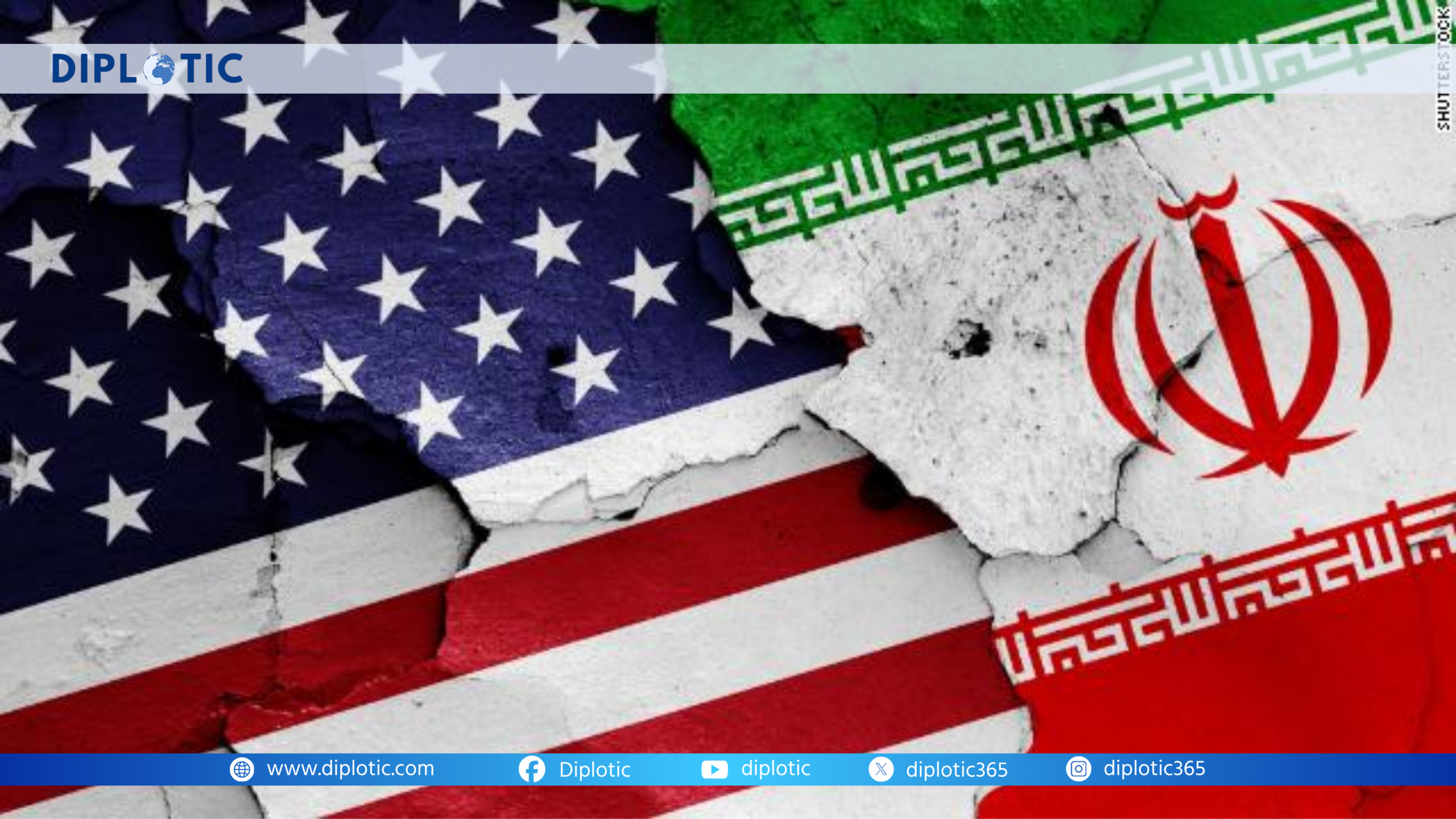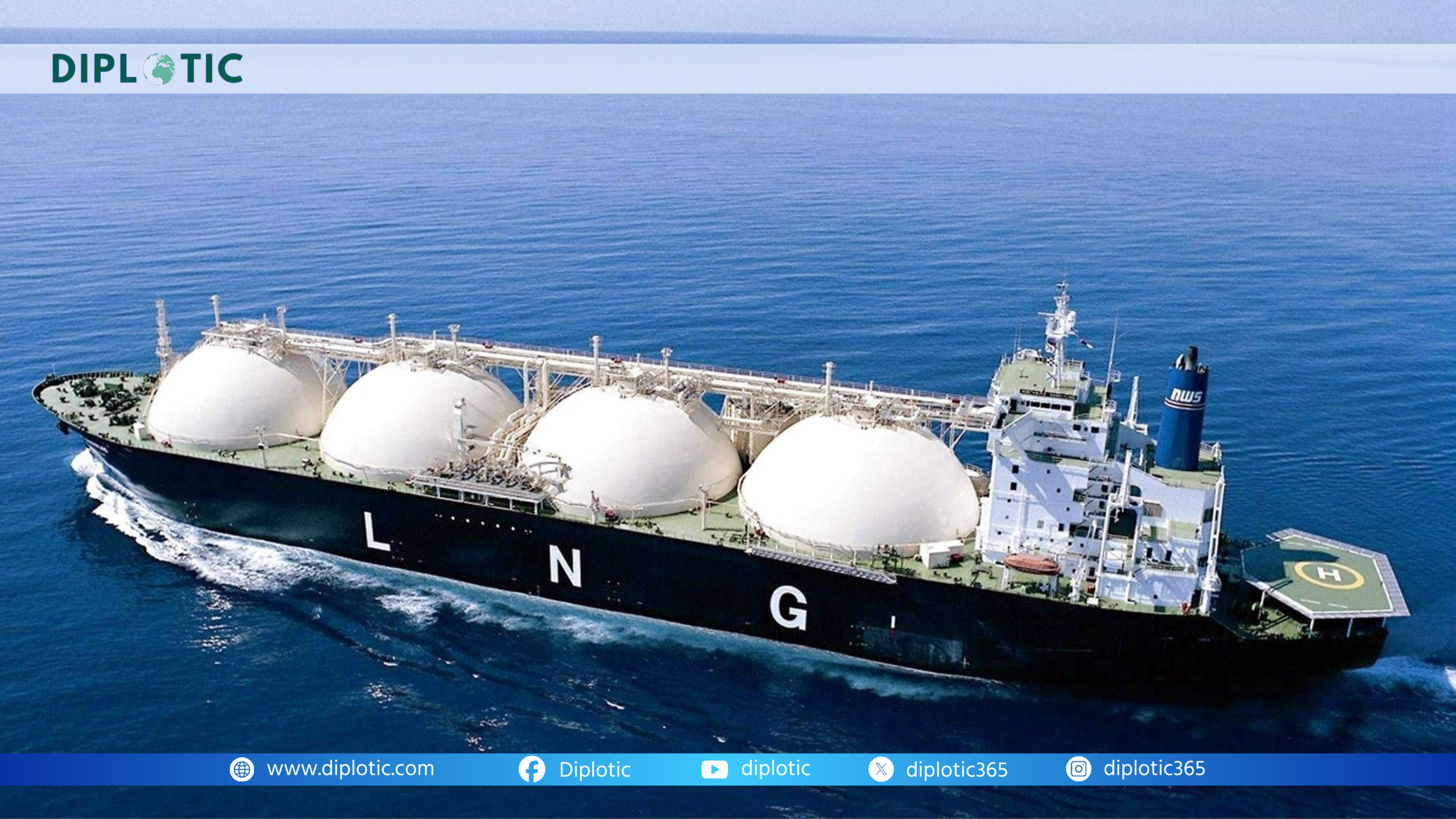
The ongoing US-Israeli war on Iran has once again shown how easily energy supplies can be disrupted. Strikes have affected key routes like the Strait of Hormuz, a narrow waterway that carries most of the oil and liquefied natural gas (LNG) headed to Asia. Prices for these fuels have jumped sharply, hitting economies hard. Many Asian countries rely heavily on imported LNG as a way to meet growing energy needs. Yet this crisis raises a clear question: does depending more on LNG really protect against future shocks, or does it leave nations exposed? Energy experts now argue that shifting faster to clean energy sources made at home offers a stronger and more stable path. This view gains weight as the current conflict echoes problems seen in 2022 after Russia’s invasion of Ukraine. The choice between these two paths could shape how Asia handles energy costs, inflation, and security for years to come.
How has the war on Iran exposed weaknesses in Asia’s LNG reliance?
The Strait of Hormuz sits between Iran and the Arabian Peninsula. It is one of the world’s most important shipping lanes for energy. Over 80 percent of the oil and LNG passing through it goes to Asian markets. China, India, Japan, and South Korea take the largest shares, while countries like Bangladesh, Pakistan, Taiwan, Thailand, and Singapore also depend on these flows. When conflict disrupts the strait, shipments slow or stop. In this war, Iran’s actions and related strikes have forced closures at major export sites, including Qatar’s large LNG facility. Asian LNG prices have risen to levels not seen since 2023. This creates immediate pressure on importers.
After the 2022 energy crisis, many Southeast Asian nations turned to LNG. They built new terminals and signed long-term deals. The Philippines and Vietnam started their first LNG imports in 2023. Thailand, an early importer, saw shipments grow by 40 percent that year. Plans exist to increase regional LNG import capacity by 80 percent in the coming years. The idea was that LNG could come from different sources, unlike fixed pipelines, and provide more security. Yet experts point out that a small number of suppliers control most of the global LNG trade. When supplies tighten, competition grows fierce. In 2022, Asian buyers lost out to Europe, which paid higher prices and redirected cargoes. Cash-strapped nations like Bangladesh and Pakistan faced blackouts when contracts failed. Now, similar risks appear. QatarEnergy, a key supplier to Bangladesh, declared force majeure after strikes halted production. Other suppliers face the same demand from many buyers, driving prices higher.
Countries have taken steps to respond. South Korea, Thailand, and Taiwan checked reserves and looked for alternatives. Japan faces the biggest direct hit due to its heavy reliance on these routes. China holds large reserves and has pushed electrification, with the world’s biggest electric vehicle fleet and strong domestic renewables. It can also turn to coal or Russian crude if needed. Shorter disruptions might be managed with supplies from Australia, the US—the current top LNG exporter—and Canada. But if the conflict lasts longer than the four to five weeks suggested by President Trump, or spreads wider, the effects could grow severe. No other route fully replaces the Strait of Hormuz volumes. This pattern shows that LNG, while flexible in theory, remains tied to the same geopolitical risks as oil. The consolidation of suppliers means Asia often faces the same vulnerabilities, just with different names.
What economic and currency pressures are Asian countries facing right now?
Higher fuel prices create a chain of problems. Energy imports are priced in US dollars. When costs rise, countries need more dollars to pay. This pushes local currencies down against the dollar. A weaker currency makes imports even more expensive in local terms. The result is a loop: higher energy costs lead to inflation, which weakens currencies further and raises living costs. Emerging markets feel this most. In 2022, Pakistan’s reserves dropped sharply from expensive LNG buys, nearly leading to default and requiring IMF help. Similar pressures build now.
Central banks watch closely. Indonesia and India stepped in to support their currencies. Thailand warned that a $10 rise per barrel in oil could cut GDP by 0.15 percent and lift inflation by 0.5 percent. It imports nearly 80 percent of its crude and over a quarter of its LNG. Singapore, almost fully dependent on imported gas, saw its oil reliance from the Middle East rise above 70 percent last year. The Monetary Authority of Singapore is reviewing impacts on the economy. South Korea set up a crisis task force as its currency hit lows not seen since 2008. Analysts expect consumer inflation across Asia to climb by seven to 27 basis points due to the conflict, with Thailand, South Korea, and Singapore hit hardest. These effects can last beyond the crisis itself. Currency weakness often persists, locking in higher import costs even if global prices ease. This makes short-term fixes like subsidies or price caps necessary but not enough. The deeper issue is structural dependence on imported fossil fuels, which ties economies to distant events and volatile markets.
Why do experts see clean energy as a stronger long-term shield against shocks?
Clean energy, especially renewables like solar and wind, comes from domestic sources. Once built, solar projects produce power with low ongoing costs and last 25 to 30 years. They face no fuel price swings or supply route risks. In Asia, where wind and solar potential remains largely untapped—over 99 percent in ASEAN—there is room to grow. Utility-scale solar is already among the cheapest ways to generate electricity in the region. Europe showed this after 2022: adding wind and solar cut gas demand and saved about €12 billion. Asia could follow a similar path.
The current crisis highlights LNG’s limits. It is called the fossil fuel most open to geopolitical disruption. Bidding wars can leave price-sensitive buyers behind. Short-term responses include subsidies or tax cuts, seen in Thailand and the Philippines. Yet long-term plans differ by country. The Philippines pushed renewables after 2022, with green auctions, fewer ownership limits, and grid priority for clean power. Solar has grown fast, and some LNG projects were paused. Rooftop solar can deploy in weeks, offering quick relief. Thailand kept adding gas despite overcapacity but now includes more renewables in its latest power plan. Experts urge faster shifts to solar, biomass, and other local sources. Building strategic reserves helps, but true security comes from reducing import needs.
Divergent paths may continue for now. Some nations lean on quick fixes while others invest in clean energy. But repeated shocks—2022 and now—undermine the case for more imported fossil fuels. Renewables offer flexibility, lower costs over time, and independence from chokepoints. They align with climate goals without sacrificing security. As one analyst notes, Asia’s next energy systems should be built to last, adapt, and prioritize both reliability and sustainability. Clean energy provides that balance in ways LNG cannot match during crises.
What could this mean for Asia’s energy future beyond the current conflict?
The war on Iran serves as a reminder that global energy ties carry risks. If the conflict ends soon, impacts may stay limited. A longer or wider fight could bring deeper challenges. Either way, the event pushes questions about energy choices to the front. Countries that accelerate renewables gain resilience against future disruptions, whether from geopolitics, weather, or market shifts. Those that double down on LNG may face repeated exposure. The Philippines offers one model: fast deployment of solar as both strategic and immediate help. Thailand shows that even gas-heavy plans can shift toward more domestic clean sources.
Broader lessons emerge. Domestic generation reduces currency risks, eases inflation pressure, and frees resources for other needs. It also supports growth in power demand without adding import burdens. With solar and wind costs low and lifespans long, the economic case grows stronger each year. The crisis could speed policy changes across the region. Optimism exists that renewables will spread wider, given the pattern of shocks. For Asia, moving toward clean energy is not just about climate—it is about building systems less vulnerable to events far away. As the war continues to unfold, the real test will be whether leaders turn this moment into lasting change or return to familiar paths. The evidence points to clean energy as the surer way to protect economies and people from the next surprise.