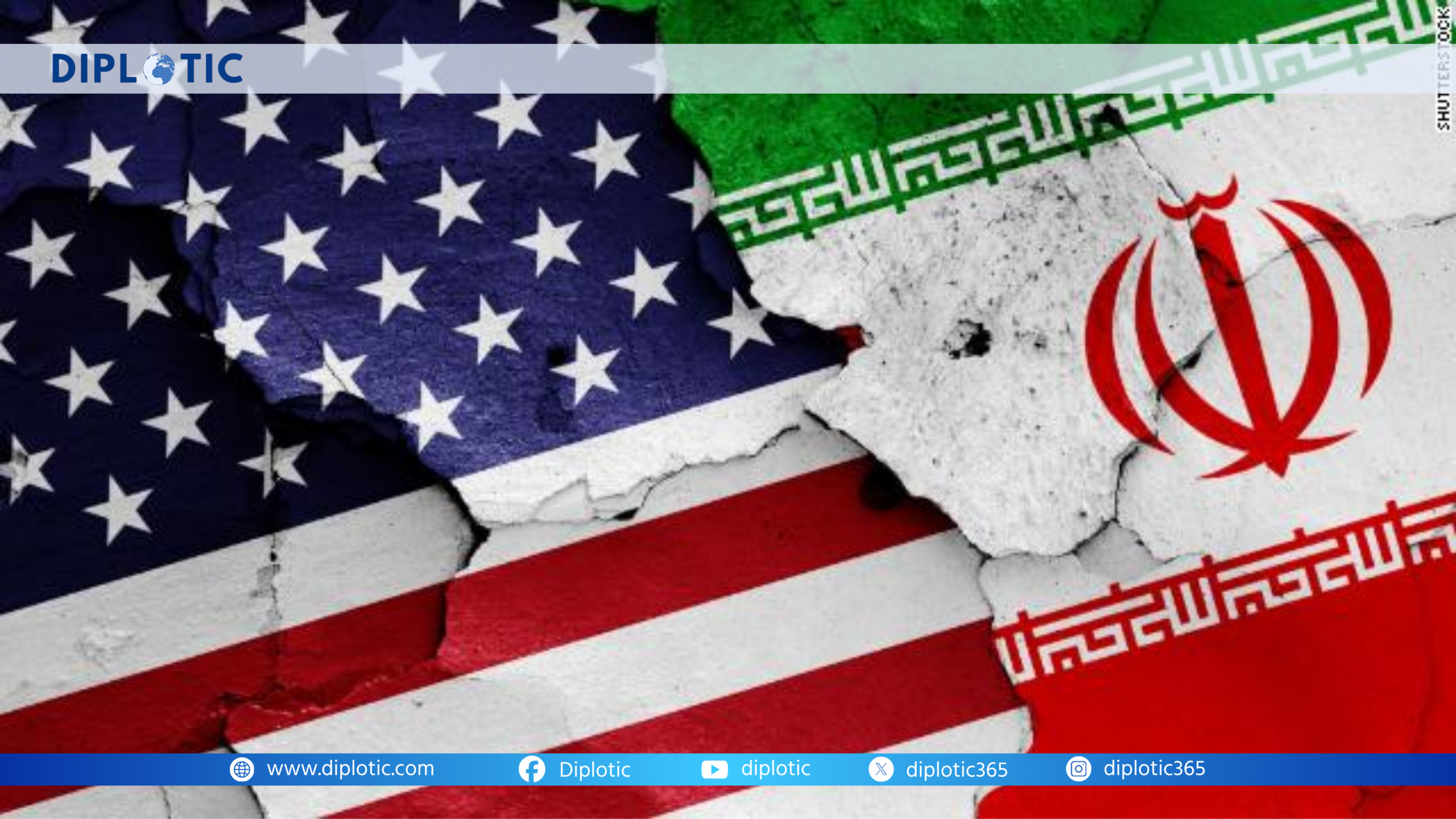
In March 2003, the United States military achieved every objective it set when it invaded Iraq. Decapitation: Saddam Hussein was captured, tried, and hanged. Air dominance: total, within days. Regime collapse: the Iraqi government fell in 21 days . By any measure of military success, the operation was a triumph. Yet today, more than two decades later, Iraq is still an authoritarian state governed by parties with deep institutional ties to Tehran. Iranian-backed militias operate openly on Iraqi soil, some holding official positions within the Iraqi state . The country the US spent $2 trillion and 4,488 American lives to remake is, by any reasonable measure, within Iran’s sphere of influence .
Now, in March 2026, the United States and Israel are engaged in a military campaign against Iran. Ayatollah Ali Khamenei is dead, killed in the opening strikes. Senior military commanders have been eliminated. The regime appears to be reeling. And yet, as international security scholars warn, the military outcome and the political outcome are almost never the same thing, and the gap between them is where wars fail . This explainer examines the parallels between the Iraq War and the current Iran conflict, why military success does not guarantee political victory, and what history teaches about the dangers of confusing destruction with governance.
What Did the US Achieve Militarily in Iraq and What Was the Political Outcome?
The military campaign in Iraq was a textbook demonstration of American conventional superiority. In 21 days, the regime of Saddam Hussein collapsed. Within months, the dictator himself was captured. By 2006, he had been tried and executed. The Iraqi military, which had been a regional power, was dissolved. The Baath Party, which had ruled Iraq for decades, was purged from power. By the standards of military planning, the operation was a success .
But military success and political success are different things. In April 2003, L. Paul Bremer arrived in Baghdad as head of the Coalition Provisional Authority and issued two orders that would define the next two decades . Order 1 dissolved the Baath Party and removed all senior party members from government positions, purging the administrative class that ran Iraq’s ministries, hospitals, and schools . Order 2 disbanded the Iraqi army but did not disarm it. Approximately 400,000 soldiers went home with their weapons and without their paychecks .
The logic behind these orders was intuitive: you cannot build a new Iraq with the people who built the old one. The logic was also catastrophic. Washington had just handed the insurgency its recruiting pool . Political scientists have long observed that countries are held together not by ideology but by organized coercion—by the bureaucratic machinery, institutional memory, and trained professionals who keep the lights on and the water running . Destroy that machinery, and you do not have a clean slate. You have a collapsed state, and collapsed states do not stay empty of leadership .
They fill, and they fill with whoever has the most organizational capacity on the ground. Iran had been building that capacity in Iraq since the 1980s, cultivating Shia political networks, exile parties, and militia groups during and after the Iran-Iraq War . When the old order collapsed, Iran’s networks were ready. The opposition the US had cultivated in Iraq had Washington’s ear but no Iraqi constituency. They had not governed the country or built networks inside it . The result, more than 20 years later, is an Iraq firmly within Iran’s sphere of influence.
What Are the Parallels Between Iraq and the Current Iran Conflict?
The parallels between 2003 and 2026 are striking and deeply concerning. In both cases, the US and its allies have demonstrated overwhelming military capability. The strikes that killed Khamenei and eliminated senior Revolutionary Guard commanders show that American intelligence and precision targeting remain unmatched . Regime decapitation, in military terms, has been achieved.
But as in Iraq, the question that military success cannot answer is what comes next. Who governs 92 million Iranians? President Donald Trump has stated that whoever governs Iran must receive Washington’s approval . But a veto is not a vision. Approving or rejecting candidates from Washington requires a functioning political process, a legitimate transitional authority, and a population willing to accept an American imprimatur on their leadership—none of which exists .
The Iranian opposition in exile presents the same problem that Ahmed Chalabi and the Iraqi National Congress did in 2003: Washington access, no domestic legitimacy . The Mujahedeen-e-Khalq is listed as a terrorist organization by Iran and is widely despised inside the country. The monarchist movement has not governed Iran since 1979, and its last leader was overthrown in the revolution. The democratic reform networks that had been building momentum inside Iran were not saved by US strikes; the regime had already crushed the movement in January, detaining and killing thousands .
Meanwhile, the institution best positioned to fill any vacuum is the same institution the US is trying to destroy. The Islamic Revolutionary Guard Corps is not simply a military institution. It controls an estimated 30 to 40 percent of the Iranian economy, running construction conglomerates, telecommunications companies, and petrochemical firms . It has cultivated a parallel state infrastructure for decades. Since Khamenei’s death, the Revolutionary Guard has taken effective control of decision-making . The succession confirmed on March 8, 2026, named Mojtaba Khamenei, with deep ties to the Revolutionary Guard, as the new supreme leader—a dynastic succession that represents maximum continuity with the old regime, not regime change .
Why Can’t Military Success Simply Be Followed by Political Success?
The fundamental misunderstanding at the heart of American regime-change strategy is the assumption that destroying the existing order creates space for something better . It does not. It creates space for whoever is best organized, best armed, and most willing to fill it .
In Iraq, that was Iran. In Iran itself, that is the Revolutionary Guard. You cannot dismantle the Revolutionary Guard without collapsing the economy, and a collapsed economy does not produce a transition government; it produces a failed state . Washington has already run that experiment in Libya, where the 2011 intervention helped bring about regime change but left political instability that endures to this day . You cannot leave the Revolutionary Guard in place without leaving the regime’s coercive core intact. There is no clean surgical option of dropping bombs, killing certain people, and declaring it a new day in Iran .
The gap between military destruction and political construction is where wars fail. Two and a half millennia ago, Thucydides recorded the Athenian empire at its most confident: “The strong do what they can and the weak suffer what they must” . Athens then destroyed Melos and launched the Sicily Expedition with overwhelming force and no coherent theory of governance for what came next. The lesson, then and now, is not that empires cannot destroy. It is that destruction and governance are entirely different enterprises, and confusing them is how empires exhaust themselves .
What Makes Iran Different from Iraq?
If the parallels are concerning, the differences are terrifying. Iraq in 2003 had 25 million people, a military degraded by 12 years of sanctions, and no active nuclear program . Iran has 92 million people, proxy networks that would not disappear if Tehran fell—in fact, they would activate—and a stockpile of over 880 pounds of highly enriched uranium that the International Atomic Energy Agency has been unable to fully account for since the 2025 US and Israeli strikes .
The proxy networks are particularly significant. Iran’s influence extends through Hezbollah in Lebanon, Shia militias in Iraq, the Houthis in Yemen, and various groups in Syria. These are not organizations that take orders from Tehran in the way a conventional military chain of command operates. They are partners with their own interests and capabilities. If the central government in Tehran collapses, these groups do not simply disappear. They become independent actors, free from any restraint the Iranian state might have exercised.
The nuclear dimension adds another layer of danger. A stockpile of highly enriched uranium that is not fully accounted for, in the context of a collapsing state, is a nightmare scenario for non-proliferation. Materials could be smuggled out, sold to the highest bidder, or used by successor factions to build weapons. The strikes that were intended to eliminate the nuclear program may have made the proliferation question more dangerous and less tractable .
Decades of research on rally-around-the-flag effects also suggest that external attack fuses regime and nation even when citizens despise their leaders . Iranians who were chanting against the supreme leader are now watching foreign bombs fall on their cities. Nationalism is a powerful force, and it does not discriminate between regimes and homelands in the moment of crisis.
What Questions Remain Unanswered?
The fundamental question Washington has not answered is simple but profound: who governs 92 million Iranians? A preference for who should not govern is not a plan for who should . Washington has a veto; it does not have a vision.
If the objective was eliminating the nuclear program, why does Iran still hold an unverified stockpile of weapon-usable uranium eight months after the 2025 strikes ? The strikes have not resolved the proliferation question; they have made it more dangerous and less tractable. If the objective was regional stability, why has every round of strikes produced a wider regional war ? From the Strait of Hormuz to the Eastern Mediterranean, conflict is spreading, not contracting.
There is no answer to any of these questions—only a theory of destruction. And as Iraq demonstrated, destruction is not a strategy. It is the beginning of a problem, not the end of one.
Conclusion
The US-led campaign against Iran has achieved remarkable military successes. The supreme leader is dead. Senior commanders have been eliminated. The regime is under pressure as never before. But military success and political success are not the same thing, and the gap between them is where wars fail .
Iraq stands as a monument to this lesson. Two decades and trillions of dollars after “mission accomplished,” Iraq is within Iran’s sphere of influence. The same pattern risks repeating in Iran itself. The Revolutionary Guard, which controls vast swaths of the economy and has cultivated parallel state infrastructure for decades, is best positioned to fill any vacuum. The opposition in exile has Washington’s ear but no domestic constituency. The nuclear program is less verifiable than before.
Thucydides understood this 2,500 years ago: the strong can destroy, but destruction and governance are different enterprises. Confusing them is how empires exhaust themselves. As the conflict in Iran enters its next phase, that lesson bears repeating. Military victory is not the end of war. It is the beginning of whatever comes next, and whatever comes next is what history will remember.