

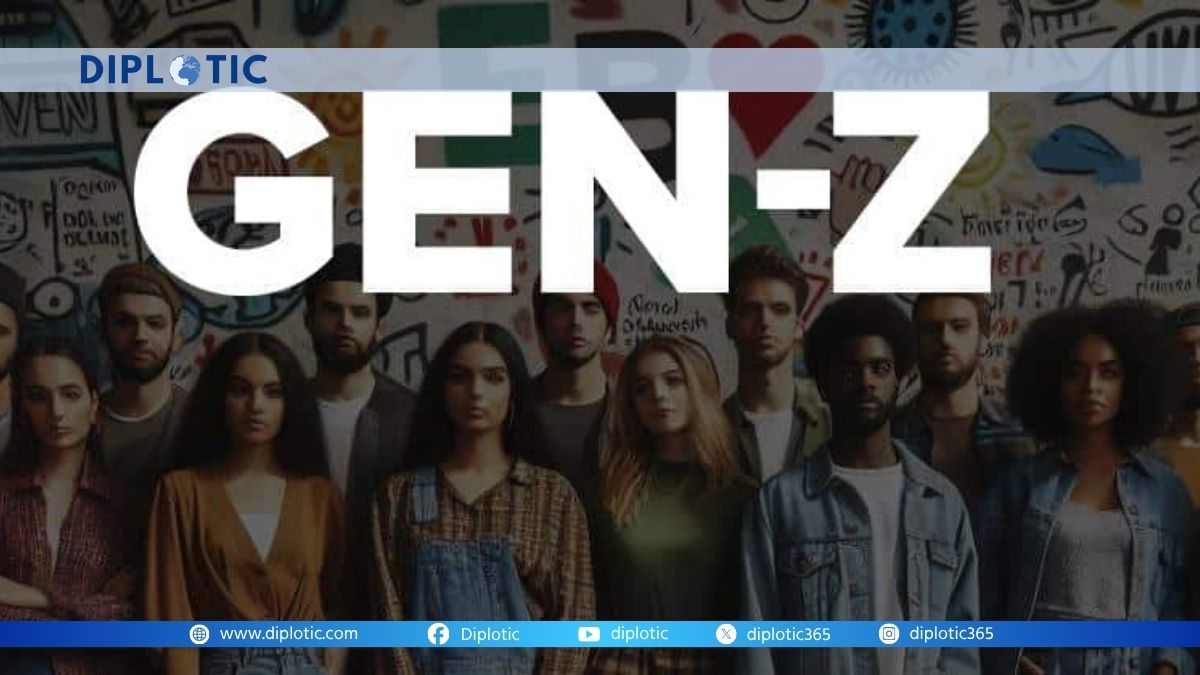
In the summer of 2025, the streets of Kathmandu filled with students and young professionals. They were not there for a festival or a celebration. They were there to demand change. The protests, which became known as the Gen-Z rebellion, grew so large and so sustained that they forced the collapse of a government led by four-time Prime Minister KP Sharma Oli . Seventy-seven people lost their lives. More than two thousand were injured. And when the dust settled, Nepal scheduled early elections for March 2026—nearly two years ahead of schedule . The uprising in Nepal was not an isolated event. Across South Asia and beyond, young people are finding their political voice. They are not waiting for permission from elders or for political parties to invite them in. They are creating their own movements, setting their own agendas, and demanding that governments listen. This feature explores what youth political power looks like in 2026, how it differs from previous generations, and what it means for the future of democracy in South Asia and the world.
Why Are Young People Rising Now?
The conditions that have fueled youth political mobilization across South Asia are not new, but their intensity has reached a critical point. Across the region, young people face a set of shared challenges that previous generations did not confront with the same severity. Unemployment is perhaps the most pressing. In India, youth unemployment rates have consistently exceeded 20 percent in recent years. In Pakistan and Bangladesh, the figures are even higher for young people with advanced degrees. The gap between educational attainment and job availability has created a generation of highly qualified but underemployed citizens .
At the same time, the cost of living has risen faster than wages. Housing, food, transportation, and education costs have all increased, making it harder for young people to achieve the milestones that defined adulthood for their parents. In Sri Lanka, the economic crisis of 2022-2023 wiped out savings and destroyed livelihoods, leaving a lasting imprint on a generation. In Bangladesh, inflation has eroded purchasing power, and young people report feeling that the economic promises made by previous governments have not materialized .
Climate change adds another layer of pressure. South Asia is one of the most climate-vulnerable regions in the world. Young people in coastal Bangladesh, in the flood plains of Nepal, and in the drought-prone areas of India and Pakistan have watched their environments change. They know that the decisions made today will shape the world they inherit. This urgency is not abstract; it is lived experience .
Technology has also transformed the landscape of political mobilization. Social media platforms allow young people to organize without traditional party structures. Information spreads faster. Accountability is more immediate. When a government official makes a statement, young people can respond in real time. When protests are suppressed, images and videos reach global audiences within hours. This technological empowerment has lowered the barriers to entry for political engagement and made it harder for governments to ignore youth demands .
How Does Youth Power Differ from Previous Generations?
The political engagement of young people in 2026 looks different from the youth movements of previous decades. Past generations often organized around broad ideological frameworks—socialism, nationalism, religious identity. Today’s youth movements are more issue-focused and less ideologically rigid. They are concerned with corruption, economic opportunity, climate action, and digital rights. They are less interested in grand theories of revolution and more interested in practical outcomes .
The organizations that channel youth energy have also changed. Traditional student wings of political parties still exist, but they are not the primary vehicles for youth mobilization. New, loose networks have emerged. Some are organized around social media accounts. Others form around specific protests and then dissolve, reforming when new issues arise. This flexibility allows rapid response but can also make sustained organization difficult .
There is also a notable pragmatism among young political actors. In Nepal, Balendra Shah, a 35-year-old rapper turned politician, joined a relatively new political party to contest elections . He did not seek to create a new movement from scratch. Instead, he worked within existing structures while maintaining his independent identity. This approach—using the system while challenging it from within—is characteristic of a generation that wants change but is realistic about the time and effort required to achieve it .
The focus on anti-corruption is another distinctive feature. Across South Asia, young people express deep frustration with the corruption they see as endemic to politics. The Gen-Z protests in Nepal were explicitly framed as anti-corruption movements. In India, anti-corruption has been a consistent theme in youth engagement with politics. This focus is not just about moral outrage; it is about the belief that corruption diverts resources away from the public goods young people need—jobs, education, infrastructure .
What Obstacles Do Young Political Actors Face?
Despite their growing influence, young people face significant barriers to political power. One is structural: the average age of political leaders across South Asia remains high. In India, the average age of members of parliament is over 55. In Pakistan and Bangladesh, the figures are similar. Party hierarchies are often dominated by older figures who have built networks over decades. Breaking into these structures requires patience, resources, and the support of established figures .
Financial barriers are also significant. Running for office requires money. In many South Asian countries, campaign costs are high, and young candidates without personal wealth or family connections struggle to compete. Party tickets often go to those who can fund their own campaigns or bring significant resources to the party. This system favors older, wealthier candidates and disadvantages young people who may have ideas but lack financial backing .
The security environment also poses risks. In several South Asian countries, political activism can be dangerous. Young activists have faced arrest, detention, and violence. In Pakistan, young supporters of opposition parties have reported harassment. In Bangladesh, student activists who participated in the 2024 protests faced retaliation. In India, young activists working on environmental or human rights issues have faced legal and extra-legal pressure. These risks discourage participation and create a system where only the most committed or most protected can engage .
There is also the challenge of translating protest energy into institutional power. The Gen-Z rebellion in Nepal succeeded in forcing an election, but whether that energy translates into sustained political influence remains uncertain. Young voters in Nepal will participate in the March 2026 elections, but they will do so within a system still dominated by established parties and older leaders. The gap between mobilizing on the streets and governing in institutions is wide, and crossing it requires skills that protest movements do not always develop .
What Does Youth Political Power Mean for Democracy?
The rise of youth political engagement has profound implications for democracy in South Asia. One is that it challenges the assumption that younger generations are apathetic. For years, observers worried that young people were disengaging from politics, preferring social media activism to street protests and voting. The events of the past two years suggest otherwise. When the stakes are clear and the opportunities for impact exist, young people will participate .
It also suggests that the issues young people prioritize will shape political agendas for years to come. Anti-corruption, climate action, economic opportunity, and digital rights are not niche concerns. They are central to the well-being of societies. Parties that ignore these issues risk losing the support of younger voters. Parties that engage with them can build lasting coalitions .
At the same time, the forms of youth engagement pose challenges to traditional democratic institutions. Loose, issue-based networks can be effective at mobilization but may not sustain governance. The skills required to build a movement are not the same as the skills required to run a ministry or pass a budget. As young political actors move from protest to politics, they will need to develop new capacities .
The relationship between youth movements and established parties is also complex. In some cases, young activists work within parties, pushing for change from inside. In others, they form new parties or support independent candidates. This fragmentation can lead to more responsive politics, but it can also lead to political instability if no single group can sustain the support needed to govern .
What Does the Future Hold for Youth Political Power?
Looking ahead, several trends will shape the trajectory of youth political power in South Asia. Demographics are one. South Asia has one of the youngest populations in the world. In India, more than 60 percent of the population is under 35. In Pakistan and Bangladesh, the figures are similar. As older generations age out of the political system, the weight of young voters will only increase. Parties that fail to engage young people will do so at their own risk .
Economic conditions will also matter. If young people continue to face high unemployment and limited opportunity, their frustration will fuel continued political mobilization. If economies grow and opportunities expand, some of that energy may channel into economic activity rather than protest. The relationship between economic conditions and political engagement is not simple, but it is significant .
The evolution of digital platforms will shape how young people organize. As social media platforms change, as governments regulate them, and as new technologies emerge, the tools of political mobilization will evolve. Young people are more adept at using these tools than older generations, giving them an advantage in organizing and information sharing .
The outcome of current conflicts will also matter. The war in the Middle East, the tensions between Pakistan and Afghanistan, and the ongoing political transitions in Nepal and Bangladesh all create environments of uncertainty. How young people navigate these uncertainties, and how governments respond to youth demands, will shape political trajectories for years .
Conclusion
The image of young people in Nepal taking to the streets and forcing political change is a powerful one. It is a reminder that political power does not reside only in parliaments and party headquarters. It resides also in the collective action of citizens who decide they will no longer wait. The young people who filled the streets of Kathmandu were not the first generation to demand change, and they will not be the last. But their methods, their concerns, and their ability to organize without traditional structures mark a new chapter in the story of South Asian democracy .
What youth political power means in 2026 is that the old assumptions about who holds power and how it is exercised are being rewritten. Young people are not waiting for permission. They are not accepting that the problems they face are inevitable. They are organizing, protesting, voting, and running for office. The outcomes are uncertain. The path is not straight. But the direction is clear: the future of politics in South Asia will be shaped by the generation that is now demanding to be heard .




