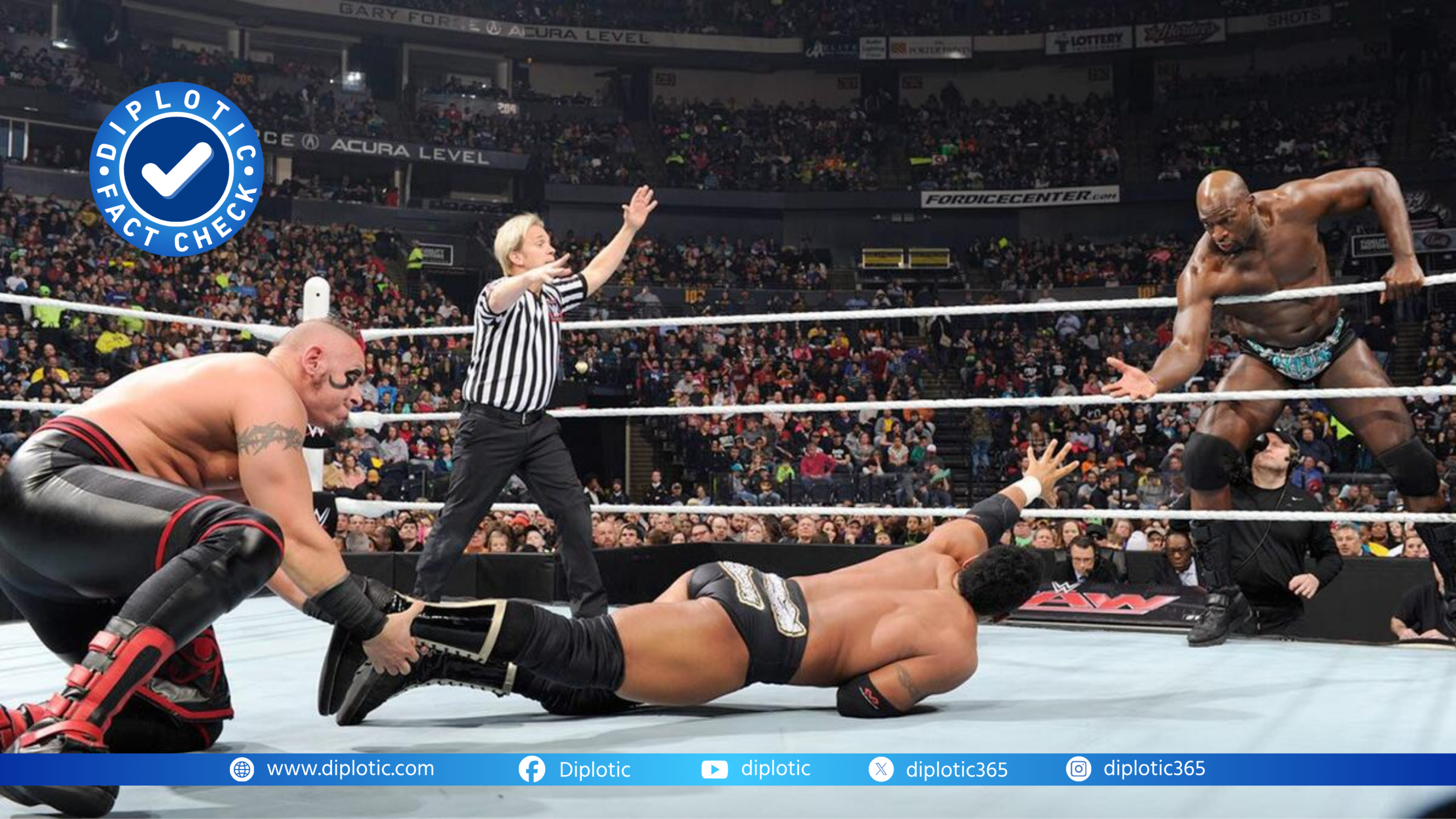
WWE (World Wrestling Entertainment) events, including flagship shows like Raw, SmackDown, and premium live events such as WrestleMania, consistently draw millions of viewers worldwide. Fans and critics often debate whether the matches are genuine athletic competitions with real winners determined by skill and strength, or carefully scripted entertainment where outcomes are predetermined. Social media discussions, documentaries, and former wrestlers’ revelations frequently fuel the conversation, with some insisting “it’s all fake” while others defend the physical demands and athleticism involved.
This question is significant because WWE presents itself as a global sports entertainment brand, blending athletic performance with dramatic storytelling. Misunderstanding the nature of the product can lead to unrealistic expectations about fairness, injury risks, or the legitimacy of championships. WWE has openly described its content as “sports entertainment” for decades, but the precise balance between competition and scripting remains a point of public curiosity. This investigation examines the operational reality of WWE events against common claims.
Claim 1: WWE matches are real, unscripted athletic competitions where winners are determined on the night.
Evaluation: WWE matches are not unscripted competitions. Outcomes (who wins or loses) are predetermined by writers and producers well in advance as part of larger story arcs. Wrestlers rehearse key sequences, spots, and finishes during practice sessions. Referees and officials coordinate with performers to ensure safety and narrative flow. While the physical actions—throws, slams, submissions—are executed in real time by highly trained athletes, the result is planned to serve ongoing storylines, rivalries, and character development. WWE has never claimed its matches are legitimate sporting contests; it markets them as entertainment.
Verdict: False. WWE matches are not genuine, unscripted competitions; winners and major moments are scripted.
Claim 2: Everything in WWE is completely fake, including the physical contact and injuries.
Evaluation: The physicality in WWE is real. Wrestlers perform high-impact moves, take legitimate bumps, and endure genuine pain and injuries. Many wrestlers have suffered serious injuries (concussions, broken bones, torn ligaments) that required surgery and recovery time. The athleticism, conditioning, and risk involved are authentic. What is scripted is the outcome and the overall narrative direction—not the effort or danger. The term “fake” oversimplifies; it is choreographed athletic performance, similar to stunt work in films or professional dance, but far more physically demanding and dangerous.
Verdict: Misleading. The contact and athletic performance are real; only the predetermined outcomes and storylines are scripted.
Claim 3: WWE openly admits that its events are scripted entertainment rather than legitimate sport.
Evaluation: WWE has consistently described its product as “sports entertainment” since the 1980s under Vince McMahon. In legal contexts (e.g., court cases regarding wrestler classification for taxes or unionization), WWE has maintained that its performers are independent contractors engaged in entertainment, not athletes in a competitive sport. Promotional materials, documentaries (such as “Beyond the Mat” or WWE’s own “WWE 24” series), and wrestler interviews routinely acknowledge the scripted nature of matches while emphasizing the real athleticism and risks. WWE does not market its events as legitimate sporting competitions.
Verdict: True. WWE openly frames its content as scripted sports entertainment, not unscripted sport.
Claim 4: Wrestlers have no input and are forced to follow rigid scripts with no room for improvisation.
Evaluation: While major match outcomes and story arcs are planned by creative teams, experienced wrestlers often have significant input into match pacing, specific spots, and character development. Improvisation occurs within safe parameters, especially during promos (mic work) and in-ring psychology. Veteran performers frequently collaborate with writers to refine segments. However, final creative control rests with WWE management, and wrestlers can face consequences for deviating too far from the plan. The system is collaborative but hierarchical.
Verdict: Partially True. Scripts provide structure, but skilled wrestlers have meaningful creative input within boundaries.
Claim 5: Regardless of scripting, WWE events represent genuine athletic achievement and entertainment value.
Evaluation: WWE performers undergo rigorous training, maintain elite conditioning, and execute complex, high-risk maneuvers night after night. The physical toll—cumulative injuries, shortened careers, and long-term health effects—is well-documented. The storytelling, production quality, and live spectacle create compelling entertainment that resonates with millions. Many wrestlers view their work as a blend of athletic performance art and theater. The principle at stake is respect for the craft: dismissing WWE as “fake” undervalues the real athleticism, dedication, and risks involved.
Verdict: True. WWE requires exceptional athleticism and delivers high-production entertainment, even though outcomes are predetermined.
Conclusion: Scripted Entertainment Featuring Real Athleticism
WWE events are not real, unscripted athletic competitions. Match outcomes, storylines, and major angles are carefully planned and scripted in advance to create ongoing narratives and character arcs. What is genuine is the physical performance: wrestlers execute demanding, high-risk maneuvers with real athletic skill, strength, and courage, often sustaining legitimate injuries in the process.
The company has long described its product as “sports entertainment,” openly acknowledging the blend of athleticism and theatrical storytelling rather than presenting it as legitimate sport. Claims that “everything is fake” oversimplify the reality— the contact and effort are real, while the results are predetermined for dramatic effect.
For fans, understanding this distinction enhances appreciation of the craft: the athleticism is impressive, the storytelling is the core appeal, and the risks are genuine. WWE delivers compelling entertainment through a unique hybrid format, not through unscripted competition. The shows are carefully produced spectacles, not spontaneous sporting contests.