

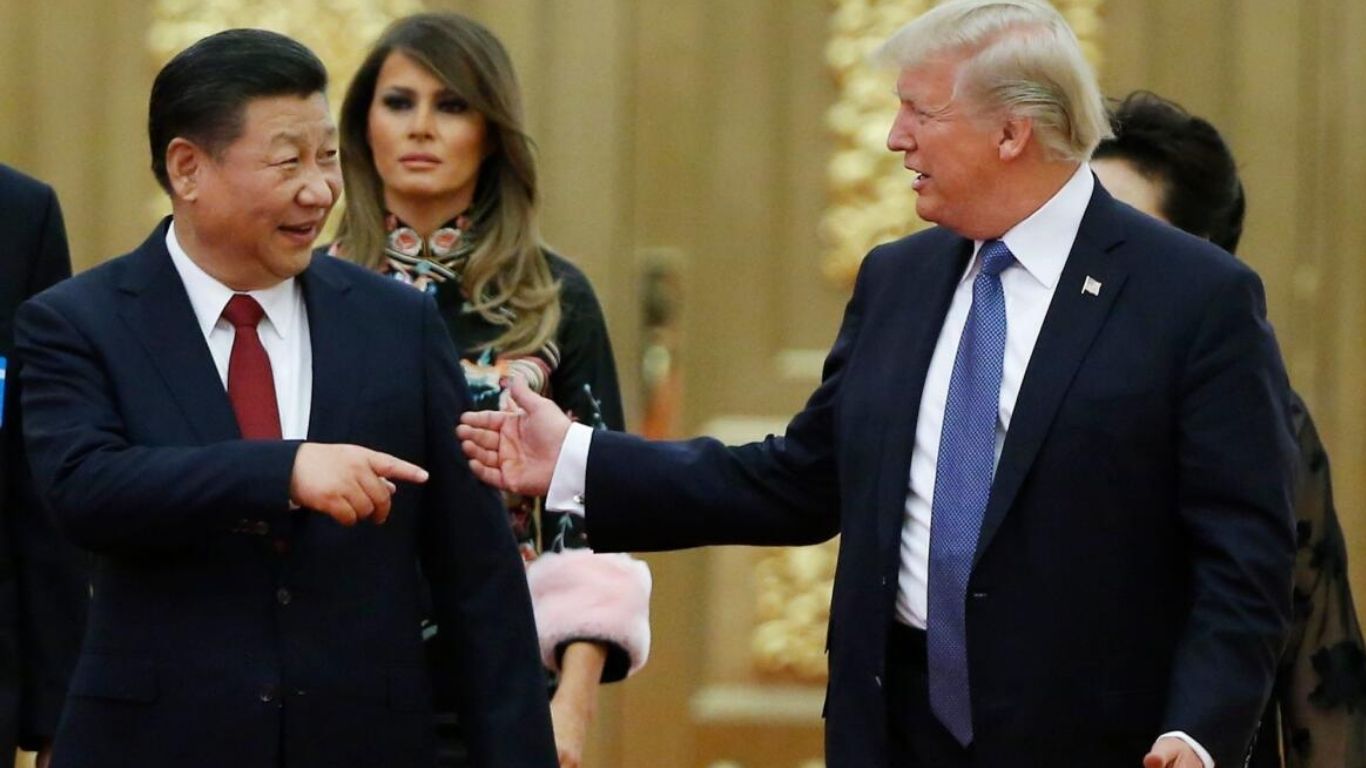
Speculation is mounting over whether US President Donald Trump will travel to Beijing this September to attend China’s Victory Day parade, commemorating the 80th anniversary of the end of World War II. The possibility of such a high-profile visit has generated “cautious optimism” among Chinese analysts, who see it as a potential turning point for US-China relations, especially as the two global powers navigate a delicate trade truce and ongoing geopolitical tensions.
The Invitation: What We Know
According to a recent Kyodo News report, unnamed sources have indicated that China is planning to invite President Trump to the Victory Parade in Tiananmen Square on September 3. This event marks a significant milestone in Chinese history, celebrating the country’s victory in what it calls the “War of Resistance against Japanese Aggression” and the broader Allied victory in World War II.
First in-person meeting since Trump’s return: If realized, this would be the first face-to-face meeting between President Trump and Chinese President Xi Jinping since Trump’s return to the White House for a nonconsecutive second term.
Other world leaders expected: Russian President Vladimir Putin is already confirmed to attend, raising the stakes for a potential trilateral appearance that could have far-reaching diplomatic implications, particularly for Japan and the broader Asia-Pacific region.
Official Responses: Silence and Speculation
When asked about the reported invitation, Chinese Foreign Ministry spokeswoman Mao Ning stated on Monday that she had “no information to provide” regarding Trump’s attendance. This non-committal response has done little to quell speculation, with analysts suggesting that both sides are weighing the diplomatic risks and rewards of such a visit.
Xi-Trump phone call: The speculation follows a phone conversation on June 5, during which President Xi reportedly invited Trump to visit China. Trump expressed appreciation and extended a reciprocal invitation to Xi to visit the United States.
Diplomatic sensitivities: While Trump appears interested in visiting, some in Beijing believe that US officials, including Secretary of State Marco Rubio, may oppose the president’s attendance at a Chinese military parade, given the current climate of strategic rivalry.
Why the Visit Matters
A Potential Diplomatic Breakthrough
The prospect of Trump attending the Victory Day parade is seen by some Chinese analysts as a rare opportunity for a diplomatic breakthrough. With US-China trade relations in a fragile state and both sides seeking to avoid further escalation, a high-level visit could help reset the tone of bilateral engagement.
Symbolism of WWII alliance: The parade commemorates a time when the US and China were wartime allies, a historical narrative that Chinese officials are keen to highlight as a foundation for renewed cooperation.
Trade and economic stakes: The visit could also provide a platform for both leaders to address ongoing trade disputes and explore avenues for economic collaboration, which remains a top priority for both nations.
Challenges and Uncertainties
Despite the optimism, significant hurdles remain:
Internal opposition: Some US officials are reportedly wary of Trump’s participation in a Chinese military parade, fearing it could be seen as an endorsement of China’s growing military power.
Chinese caution: Beijing is also hesitant about a reciprocal visit by Xi to the US, especially after previous high-profile meetings resulted in public confrontations.
Regional dynamics: The presence of other world leaders, particularly Vladimir Putin, adds another layer of complexity, as a joint appearance could send mixed signals to US allies in the region.
Key Factors Shaping the Outlook
Diplomatic Will: The willingness of both leaders to engage directly will be crucial in determining whether a breakthrough is possible.
Trade Truce Stability: The current pause in trade hostilities is fragile, and any deterioration could derail diplomatic efforts.
Internal Support: Both Trump and Xi must navigate complex domestic landscapes, balancing international ambitions with political realities at home.
Geopolitical Environment: Broader regional dynamics, including relations with Russia and Japan, will influence the timing and substance of any high-level meetings.
Conclusion
The swirling speculation over President Trump’s potential visit to China for WWII Victory Day reflects the high stakes and delicate balance of US-China relations in 2025. While official confirmation remains elusive, the prospect of such a visit has injected a sense of cautious optimism into diplomatic circles, with many hoping it could mark the beginning of a new chapter in the world’s most consequential bilateral relationship.




