

Smoke Descends on New Hampshire
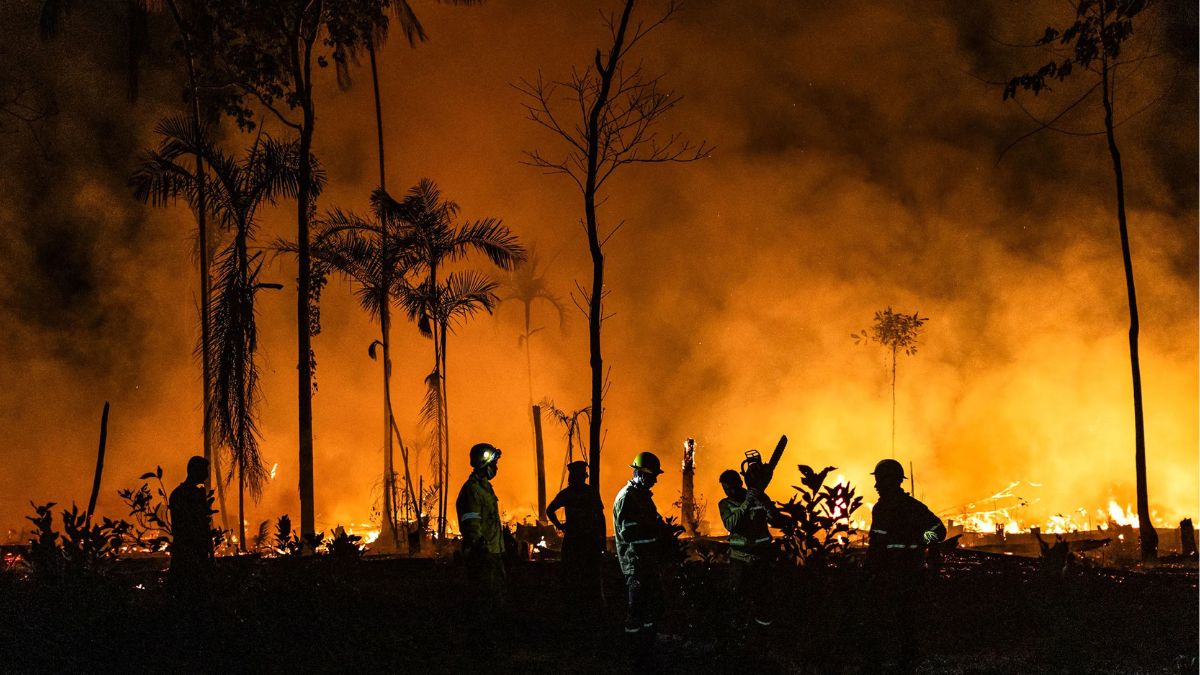
On August 3, 2025, New Hampshire faces another wave of Canadian wildfire smoke, with central and northern regions like Coos, Carroll, and Grafton counties expected to bear the brunt. The New Hampshire Department of Environmental Services (NHDES) issued an air quality alert from 1 AM to 11 PM, warning that fine particulate matter (PM2.5) will reach levels deemed “Unhealthy for Sensitive Groups” on the EPA’s Air Quality Index (AQI), likely hitting 100–150. This follows a pattern of worsening wildfire seasons, with over 200 active fires reported across Canada in early August 2025, driven by dry conditions and high temperatures.
The smoke, carried by northerly winds, will create hazy skies and reduce visibility, particularly at higher elevations above 3,000 feet, such as in the White Mountains. Residents may notice a campfire-like smell, and skies could appear milky white or orange, as seen in similar events in June and July 2025. While the day will remain warm, with highs in the mid-80s and low humidity, the smoke poses health risks, especially for vulnerable populations.
Health Risks and Vulnerable Groups
Wildfire smoke contains PM2.5, tiny particles that penetrate deep into the lungs and bloodstream, triggering inflammation and exacerbating conditions like asthma, bronchitis, emphysema, and heart disease. The NHDES identifies sensitive groups as children, older adults, and those with respiratory or cardiovascular issues, who may experience symptoms like coughing, wheezing, shortness of breath, or chest pain. A July 2025 study in The New England Journal of Medicine linked PM2.5 exposure to a 15% increase in emergency room visits for respiratory issues during smoke events.
Even healthy individuals may feel mild effects, such as irritated eyes or throats, particularly during strenuous activities like hiking or running. The alert advises limiting prolonged outdoor exertion, especially in affected counties and at higher elevations, where smoke concentrations are highest. In Coos County, for instance, air quality monitors reported AQI levels of 120 during a similar event in June 2025, prompting local schools to cancel outdoor activities.
Monitoring Air Quality
To stay informed, residents can check real-time AQI data through the EPA’s AirNow website or PurpleAir’s citizen-driven sensor network, which provides street-level readings. For example, PurpleAir data from a July 2025 smoke event showed AQI variations of 30–40 points within Carroll County, highlighting the importance of local monitoring. The NHDES also offers updates via its Air Quality Information Line (1-800-935-SMOG) and EnviroFlash alerts for email or phone notifications.
Indoor air quality monitors, available for $50–$150, are recommended for precise home readings. “These devices empower you to act before smoke infiltrates your space,” said Joseph Allen of Harvard’s Healthy Buildings Program. During a 2025 smoke event in Manchester, households with monitors were 50% more likely to seal windows early, per a local health survey.
Protective Measures Outdoors
For unavoidable outdoor time, an N95 mask is the gold standard, filtering 90–95% of PM2.5 particles. “If you have a respirator-style mask, that’s even better,” said Jennifer Stowell of Boston University’s Center for Climate and Health. Dust masks offer minimal protection and should be a last resort. Symptoms like wheezing or shortness of breath signal the need to move indoors immediately. In Grafton County, emergency rooms reported a 10% uptick in respiratory complaints during a June 2025 smoke event, underscoring the need for caution.
The NHDES specifically advises against strenuous activities like hiking in the White Mountains, where smoke pools at higher elevations. A WMUR report noted that Mount Washington recorded an AQI of 140 on August 2, 2025, making it particularly risky for sensitive groups. Healthy individuals should also limit prolonged exposure to avoid cumulative effects.
Safeguarding Indoor Air
To keep indoor air clean, close windows and doors, sealing gaps with towels or blankets. Air conditioners set to recirculate indoor air are effective, and upgrading to a MERV 13 filter can reduce PM2.5 by up to 40%, per a 2023 EPA study. Portable HEPA air purifiers, starting at $100, are highly effective for single rooms. “Run a purifier in your main living space,” Stowell advised. In a 2025 Concord study, homes with purifiers had 25% lower indoor PM2.5 levels during smoke events.
For those without air conditioning, creating a “clean room” by sealing one room and running a purifier can help. Fans alone are insufficient, as they may stir up particles. Regularly check air purifier filters, as heavy smoke can clog them quickly.
The Forecast and Beyond
The air quality alert is set to expire at 11 PM on August 3, but hazy conditions may persist into Monday, August 4, with AQI levels potentially remaining in the “moderate” to “unhealthy for sensitive groups” range (50–120). Temperatures will climb to the upper 80s or near 90, with isolated showers possible Tuesday onward, though no widespread rain is expected to clear the smoke. Posts on X from meteorologists like @JacquelineWMUR indicate the haze could thicken Monday, particularly in northern New Hampshire, before thinning midweek as winds shift.
Canada’s wildfire season, running through September, suggests more smoke events are likely. The National Interagency Fire Center reported 5.5 million acres burned across North America by August 2025, a 25% increase from 2024. Climate models predict worsening fire seasons, making smoke preparedness a long-term necessity.
Community and Systemic Needs
The alert highlights disparities in preparedness. Low-income households in Coos and Carroll counties often lack access to air purifiers or N95 masks, which cost $10–$20 for a pack of 10. Community centers in Berlin and Conway have begun distributing free masks, but supplies are limited. Public health advocates are pushing for state-funded air quality programs, citing a 2024 California initiative that provided purifiers to vulnerable residents.
For now, residents can protect themselves by staying informed, using masks, and fortifying indoor spaces. As wildfires become a fixture of summer, New Hampshire’s air quality challenges demand both individual action and broader solutions to ensure everyone can breathe safely.




