

The Smell That Draws Them In
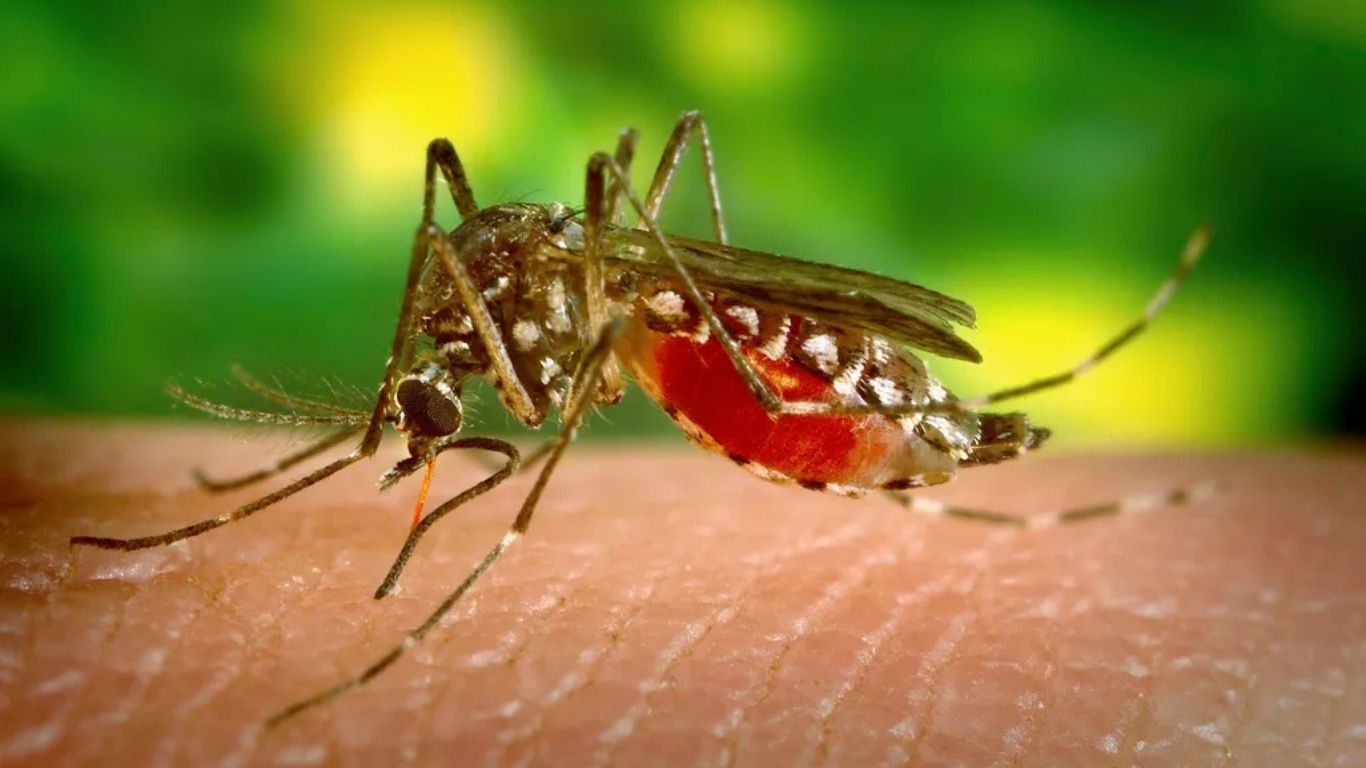
Mosquitoes aren’t just annoying; they’re tiny vampires with a knack for picking their victims. A 2022 study from Rockefeller University, published in Cell (https://www.cell.com/cell/fulltext/S0092-8674(22)01307-1), digs into why some people are mosquito magnets. It’s all about the smell specifically, a group of chemicals called carboxylic acids. People who produce more of these acids are like catnip for female Aedes aegypti mosquitoes, which spread diseases like dengue, chikungunya, yellow fever, and Zika.
Researchers had volunteers wear nylon stockings on their arms to collect their natural skin scent. They cut the stockings into two-inch strips and placed them behind trap doors in a mosquito-filled arena. One sample, from a person dubbed “Subject 33,” was a mosquito magnet. “Subject 33 was the undisputed champion,” said lead researcher Leslie Vosshall. “They won a hundred games. Nobody beat them.”
Chemical analysis showed Subject 33’s skin was pumping out high levels of carboxylic acids. “The link between elevated carboxylic acids in ‘mosquito-magnet’ human skin odor and phenotypes of genetic mutations in carboxylic acid receptors suggests that such compounds contribute to differential mosquito attraction,” the study notes.
Why Some Skin Smells Sweeter
Why do some people produce more carboxylic acids? The study points to a person’s unique skin “climate”a mix of genetics, sweat, and maybe diet. It’s like your body’s got its own ecosystem, and for some, it’s a mosquito’s paradise. The researchers couldn’t scrub the acids off to confirm, noting, “Human skin odor is a complex blend of several classes of chemical compounds, each of which requires its own specialized analytical detection methods.”
The Bigger Picture: Mosquitoes and Misery
Mosquitoes spread diseases that infect 700 million people a year, hitting hardest in places like sub-Saharan Africa and Southeast Asia. The poor and marginalized bear the brunt, as always. This study offers hope for better repellents that target carboxylic acids, which could be a game-changer for millions. But it’s not there yet more research is needed to understand other mosquito species and skin chemicals.
A Call to Arms (and Legs)
If you’re a mosquito magnet, your skin might be to blame. Cover up, use DEET, and stay tuned for science to catch up. Mosquitoes may be small, but their impact is massive, and it’s time we stopped letting them win.




