

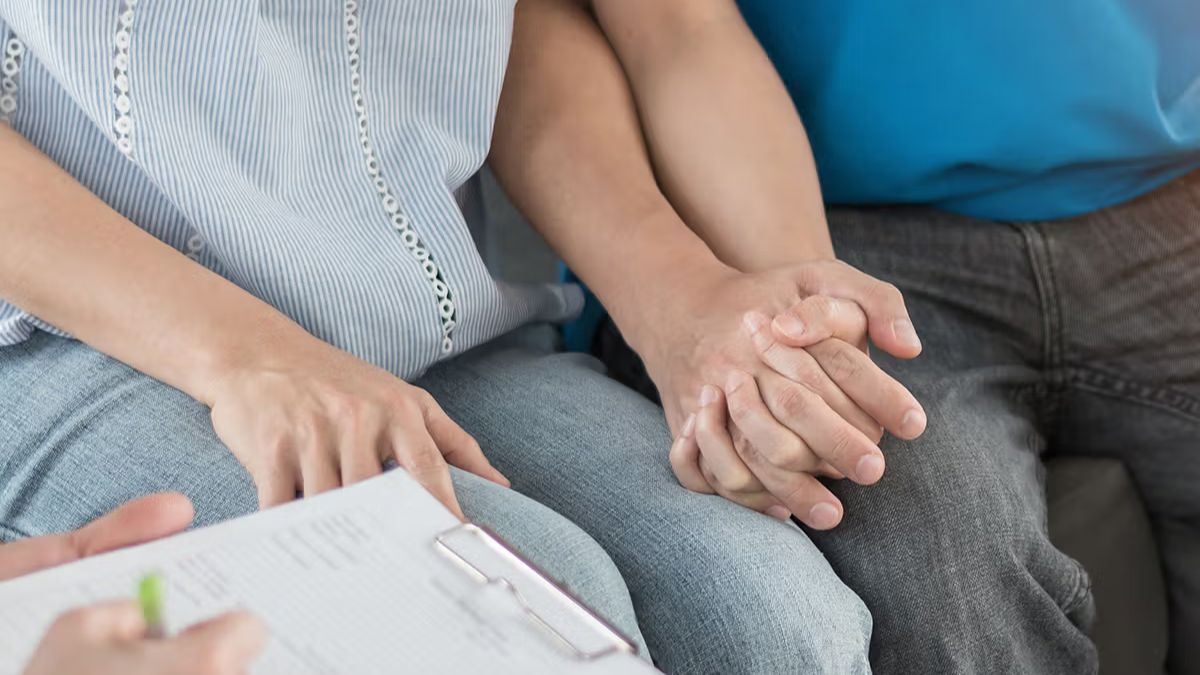
Sarah hung up on her mother days after turning 21, fed up with her coldness, her father’s control, and the pressure to prop up the parents and family farm. “I was getting really angry,” she told me, her name changed for privacy. That phone call cut contact for years. “It felt quite liberating,” she said. But when she moved overseas, she reached out, only to find her parents acting like nothing happened. Decades later, their relationship’s a cycle of distance and uneasy reconnection.
Is estrangement on the rise? Data’s scarce, and it’s a taboo topic. “People think it only happens to others,” says Lucy Blake, a psychology lecturer at the University of the West of England and author of No Family is Perfect. A 2022 study of 8,500 Americans found 26% had periods of estrangement from fathers and 6% from mothers over 24 years. In Germany, a study showed 9% estranged from mothers and 20% from fathers over 13 years. A survey by Karl Pillemer at Cornell found 10% of 1,340 Americans were fully cut off from a parent or child.
Why now? Pillemer points to shifting norms. “Older generations clung to family solidarity,” he says. Joshua Coleman, a psychologist, blames individualism. “People prioritize their own happiness,” he says. Studies show U.S. parents are twice as likely to have strained ties with kids compared to less individualistic countries.
The Triggers: Why Families Fall Apart
For Sarah, it was her mother’s neglect and failure to shield her from an abusive father. For others, it’s smaller slights—disapproval of a partner, clashing politics, or rejection of identity. Blake’s survey of 800 UK adults found emotional abuse as the top reason, often tied to harsh parenting. “Emotional harm cuts deep,” she says.
But it’s not always clear-cut. Coleman warns that “emotional abuse” can be misused. Some adult children, struggling with mental health, may recast supportive parents as villains. Yet genuine abuse is a valid reason to walk away. “There should be no stigma,” Pillemer says. Social media, like posts urging people to ditch “toxic” relationships, and misguided therapy can amplify the urge to disconnect.
The Cost: Freedom or Isolation?
Does estrangement bring peace? Coleman’s poll found many adult children felt happier after cutting ties. Sarah felt that freedom at first. But for parents, it’s “heartbreak and confusion,” Coleman says. Estrangement can isolate, especially during holidays, Blake notes. “You need a support network,” she advises. Pillemer’s interviews showed only a quarter felt at peace; many felt sad, unresolved. “I’m cutting off the branch I’m sitting on,” says philosopher Christopher Cowley.
The Debt: What Do We Owe Each Other?
What do parents owe kids, and vice versa? “I owe my parents everything,” Cowley says. “But abuse cancels that debt.” He imagines an ideal bond as a friendship. Kids can’t keep blaming parents as adults, but parents’ circumstances—poverty, trauma—matter. Pillemer recalls a mother who remarried to survive, resented by her son until he saw her side. “Context matters,” he says.
The Way Back: Reconciliation or Regret?
Estrangement isn’t always forever. The 2022 study found 62% reconciled with mothers, 44% with fathers, over a decade. Sarah’s in limited contact with her mother, driven by pity. Coleman suggests a cooling-off period. “Check back in after a year,” he says. Memory’s tricky—studies show we rewrite the past. Cowley warns, “You can’t control what haunts you.” Blake advises keeping some lines open.




