

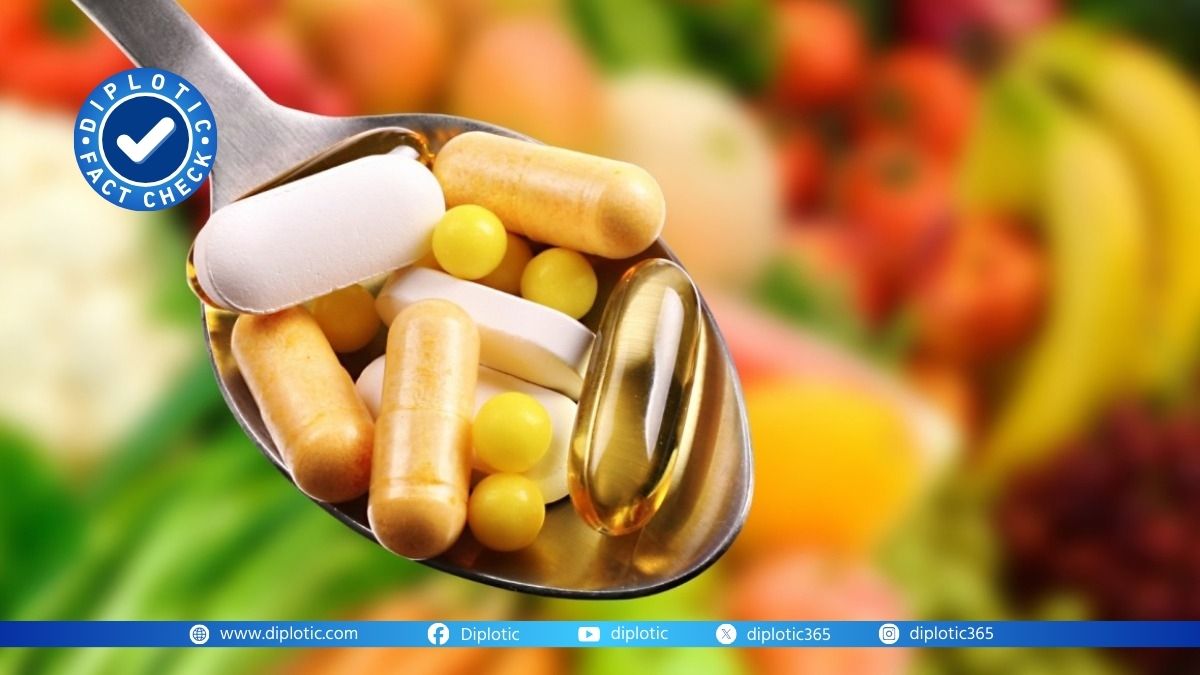
An Investigation into the Paradox of Nutritional Supplementation
In an era defined by wellness culture and the pursuit of optimal health, vitamin and mineral supplements have become a daily ritual for millions. The guiding principle is simple: if a little is good for filling nutritional gaps, more might be better for boosting immunity, energy, and longevity. However, a counter-narrative warns of unseen dangers. The question “Can excessive vitamin supplements damage organs?” challenges the assumption that these compounds, essential in small doses, are inherently harmless in large amounts. This investigation moves beyond the simple binary of “good” or “bad” to examine the biological line between nutrient and toxin, the role of supplement form and individual physiology, and the market forces that drive overconsumption.
The context is critical. Supplements exist in a regulatory gray zone in many countries, marketed as food-like products rather than undergoing the rigorous safety and efficacy trials of pharmaceuticals. Combined with aggressive marketing of “mega-dose” formulas and personalized vitamin regimens, this creates an environment where self-prescribed excessive intake is not only possible but encouraged. Understanding the risk requires distinguishing between water-soluble and fat-soluble vitamins, and between taking a standard multivitamin and engaging in high-dose, long-term supplementation of single nutrients.
Claim 1: All vitamins are harmless because the body simply excretes what it doesn’t use.
This is a common and dangerous misconception. It applies only to water-soluble vitamins (like Vitamin C and the B-complex vitamins). The body has a limited capacity to absorb these at one time, and excess amounts are typically filtered out by the kidneys and excreted in urine. However, even water-soluble vitamins can cause harm at extremely high doses. For example, mega-doses of Vitamin B6 (pyridoxine) taken over long periods have been clinically linked to irreversible nerve damage (sensory neuropathy), causing pain, numbness, and difficulty walking. Very high doses of Vitamin C can contribute to kidney stone formation in susceptible individuals and cause gastrointestinal distress.
The far greater risk lies with fat-soluble vitamins: A, D, E, and K. These are not readily excreted. Instead, they are stored in the body’s fatty tissues and the liver. Over time, excessive intake leads to hypervitaminosis, a state of toxic accumulation. This is where direct organ damage becomes a clear, documented medical reality.
Verdict: False. This blanket statement is a significant oversimplification that ignores the fundamental pharmacokinetics of different vitamin types and the proven toxicity of high-dose, chronic supplementation.
Claim 2: High doses of fat-soluble vitamins can cause direct, sometimes irreversible, organ damage.
This claim is well-supported by clinical medicine and toxicology.
Investigation: The liver is the primary organ at risk, acting as the central processing and storage site for many of these compounds.
- Vitamin A Toxicity: Perhaps the most dramatic example. Chronic excessive intake (often from high-potency supplements or cod liver oil) can lead to hypervitaminosis A. This causes liver inflammation, fibrosis, and potentially cirrhosis. It also raises intracranial pressure, leading to headaches and blurred vision, and can cause bone pain and birth defects. The condition is serious and the liver damage can be permanent.
- Vitamin D Toxicity: While rare due to the high doses required, excessive Vitamin D supplementation (not from sun exposure) leads to hypercalcemia—dangerously high calcium levels in the blood. This calcium can precipitate and deposit in soft tissues, including the kidneys (causing nephrocalcinosis and kidney failure), heart, and lungs. It also weakens bones. The kidneys and cardiovascular system bear the brunt of this damage.
- Iron: Though a mineral, it is a key component of many supplements. Acute iron overdose is a leading cause of fatal poisoning in children. Chronic overload in adults (from excessive supplementation, especially in individuals without a deficiency) can lead to hemochromatosis, where iron accumulates in the liver, heart, and pancreas, causing cirrhosis, heart failure, and diabetes.
The mechanism is one of nutrient overload. The body’s finely tuned homeostatic systems are overwhelmed, turning essential compounds into pro-oxidant or directly cytotoxic agents that injure the very cells they are meant to support.
Verdict: True. Medical literature is replete with case studies and clinical reviews confirming that fat-soluble vitamins and certain minerals, in supplement form and at high doses, are capable of causing direct structural and functional damage to the liver, kidneys, and other organs.
Claim 3: The risk is only for synthetic vitamins; natural vitamins from food are always safe.
This claim, a staple of “natural wellness” marketing, seeks to draw a safety distinction based on the source of the nutrient.
Investigation: This is a misunderstanding of biochemistry. To the human body, a molecule of Vitamin C (ascorbic acid) is identical whether it is sourced from an orange or synthesized in a lab. The toxicity of a vitamin is a function of dose and chemical form, not its origin story.
The safety of nutrients in whole food stems from three key factors:
- Low Dose Density: It is physically difficult to eat enough liver to cause Vitamin A toxicity, but easy to take a supplement that provides 500% of the daily value in one pill.
- Built-In Buffers: Food contains fiber, water, and a matrix of other compounds that slow absorption and modulate biological effects.
- Chemical Form: For example, the Vitamin A in plants (beta-carotene) is a “provitamin” that the body converts to active Vitamin A only as needed, providing a natural safety check. Supplement labels often provide retinol or retinyl palmitate (pre-formed Vitamin A), which bypasses this regulatory step and builds up immediately.
Therefore, the danger of “excessive vitamin supplements” is intrinsically linked to their concentrated, isolated, and highly bioavailable form, which allows for intake levels impossible to achieve through diet alone. The “natural” versus “synthetic” debate is largely irrelevant to the toxicological question.
Verdict: Misleading. The source is not the protective factor; the dose, chemical form, and the presence of a food matrix are. Isolated nutrients in concentrated pills present a unique risk profile regardless of their initial source.
Claim 4: The culture of supplementation often overlooks the greatest risk: the delay in diagnosing serious medical conditions.
This meta-claim shifts focus from direct organ toxicity to a broader, systemic harm of the supplement mindset.
Investigation: This is a profound and under-discussed consequence. When individuals self-diagnose fatigue or low energy as a “vitamin deficiency” and self-prescribe supplements, they may inadvertently mask the symptoms of a serious underlying illness. For instance, self-treating persistent fatigue with iron supplements could delay the diagnosis of a colon tumor causing occult blood loss. Using B12 injections for neurological symptoms without a proper workup could delay diagnosis of autoimmune disorders or other neurological diseases.
Furthermore, the belief that “more is better” leads people to take complex cocktails of supplements, creating unknown risks of nutrient-nutrient interactions (e.g., high calcium inhibiting iron absorption, high zinc depleting copper) and drug-supplement interactions that can alter the efficacy or toxicity of prescribed medications. The liver, as the body’s detoxification center, must process this unnatural chemical load, adding metabolic stress even if overt toxicity is not reached.
The greatest damage may be to the philosophy of healthcare: it promotes a quick-fix, consumerist approach to health over a diagnostic, food-first, and lifestyle-based one, potentially diverting time, resources, and attention from truly effective interventions.
Verdict: True. Beyond the potential for direct physical harm, the excessive and indiscriminate use of supplements poses significant indirect risks by interfering with medical diagnosis, creating biochemical imbalances, and fostering a misplaced reliance on pills over fundamental health practices.
Conclusion: The Dose Defines the Poison
The investigation concludes that excessive vitamin supplements can indeed damage organs, but the risk is not uniform. It is a calculated risk defined by specific parameters: the type of nutrient (fat-soluble posing the highest danger), the dose and duration, and the individual’s underlying health status.
The body requires micronutrients in precise, homeostatic balance. Supplementation, when used to correct a diagnosed deficiency or target a specific, evidence-backed need under medical guidance, can be therapeutic. However, when used as a blanket, unmonitored insurance policy or performance enhancer, it transgresses into the realm of pharmacology without the corresponding safeguards.
The organ damage documented from hypervitaminosis serves as a stark biological corrective to the myth of harmless excess. It underscores a timeless principle of toxicology, attributed to Paracelsus: “All things are poison, and nothing is without poison; the dosage alone makes it so.” Vitamins are no exception. The line between essential nutrient and organ toxin is crossed not by intent, but by excessive, isolated concentration—a line that is increasingly blurred in the unregulated marketplace of modern wellness.




