

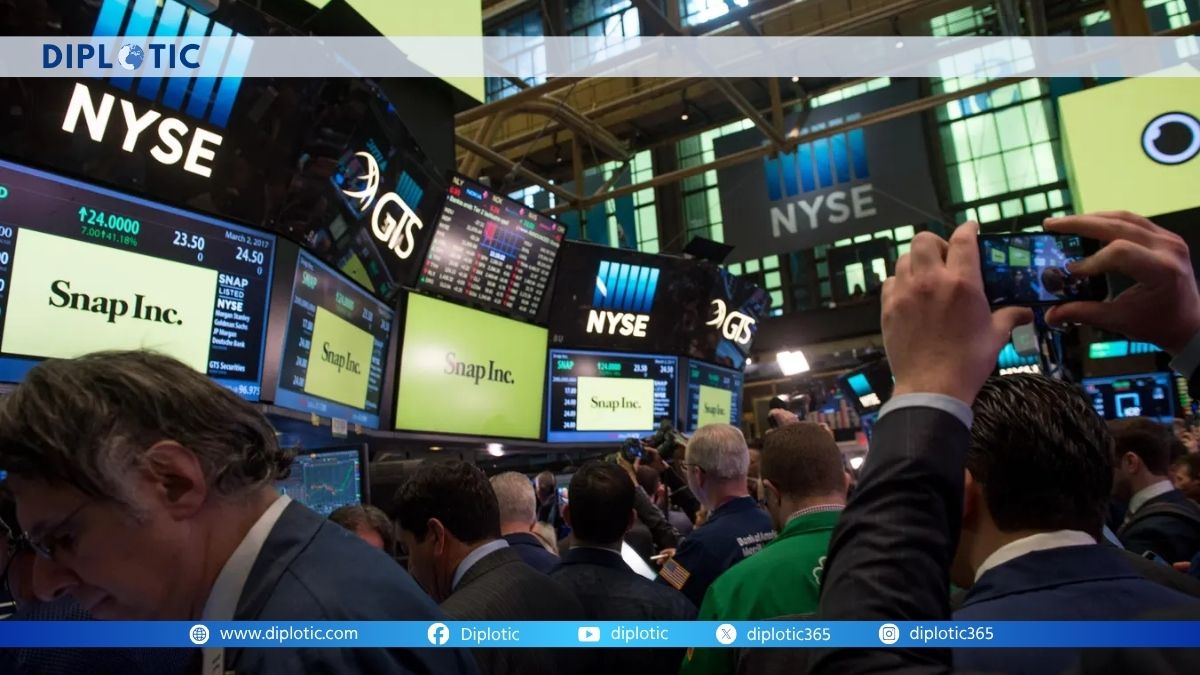
U.S. stock futures opened lower on February 23, 2026, with Dow Jones, S&P 500, and Nasdaq 100 contracts all showing modest declines in pre-market trading. The moves came as fresh trade tensions resurfaced and investors turned their attention to a busy week of corporate earnings reports. While no single headline triggered a sharp sell-off, the combination of renewed tariff rhetoric, mixed economic signals, and uncertainty over upcoming profit guidance created enough caution to push major indexes slightly lower. The Dow futures were down around 0.4%, S&P 500 futures fell about 0.5%, and Nasdaq futures slipped roughly 0.7% in early Asian hours. These levels are not deep enough to signal panic, but they reflect a market that has grown sensitive to any hint of policy friction or earnings disappointment after a strong run in late 2025 and early 2026. With several large-cap companies set to report results this week and trade-related comments still dominating headlines, the coming days could determine whether this is a brief pause or the start of a more meaningful pullback.
What Trade-Related Developments Are Weighing on Sentiment?
Trade policy remained the dominant theme in recent sessions. Comments from U.S. officials and responses from trading partners kept uncertainty alive. Reports surfaced that additional tariff measures were under consideration for certain import categories, prompting quick reactions from export-heavy sectors. Technology names with significant supply chain exposure to Asia felt the pressure most directly, contributing to the heavier declines in Nasdaq futures. At the same time, materials and industrials—sectors that often bear the brunt of tariff costs—also saw softness in pre-market action.
The market has become conditioned to react to trade headlines after several years of on-again, off-again negotiations. Even though no new formal announcements were made overnight, the mere mention of potential escalation was enough to prompt some profit-taking. Currency moves added to the backdrop: the U.S. dollar strengthened slightly against a basket of major currencies, which tends to weigh on multinational companies that earn revenue overseas. Emerging-market currencies weakened in response, adding to the sense of caution around global growth. While none of these developments were entirely new, they arrived at a moment when investors were already looking for reasons to lock in gains after the indexes posted solid returns in January and early February.
Which Earnings Reports Could Move the Market This Week?
The trading week ahead features results from several influential companies, making it a key period for reassessing valuations. Reports are expected from major players in technology, consumer discretionary, and financials—sectors that carry heavy weight in the S&P 500 and Nasdaq. Investors will watch closely for commentary on pricing power, input costs, consumer demand trends, and any updated guidance tied to trade policy or supply-chain adjustments.
In technology, attention will focus on how companies describe their exposure to tariff risks and whether they have started to pass higher costs to customers. Consumer-facing names will be scrutinized for signs of spending fatigue, especially in discretionary categories. Banks and financial firms are likely to address credit quality, interest-rate impacts, and any shifts in business investment. The tone of these calls—particularly forward-looking statements—could set the direction for broader indexes in the short term. If guidance comes in better than feared and management teams sound confident about navigating trade headwinds, the current dip could quickly reverse. On the other hand, cautious or lowered outlooks would likely fuel further selling pressure.
How Are Different Sectors Responding to the Current Environment?
Sector performance in pre-market trading showed clear patterns. Technology and consumer discretionary names led the declines, consistent with their sensitivity to both trade friction and shifts in consumer sentiment. Communication services and information technology stocks also traded lower, reflecting worries about advertising budgets and enterprise spending if economic uncertainty lingers. In contrast, defensive sectors such as utilities, health care, and consumer staples held up better or even edged slightly higher, a typical rotation when investors seek safety.
Energy and materials showed mixed moves, with some strength in oil-related names due to separate supply dynamics, while base metals and industrial inputs felt the tariff-related pressure. Financials were relatively steady, as banks often benefit from a stronger dollar and higher yields in uncertain times. The divergence highlights the market’s current split personality: growth-oriented sectors remain vulnerable to headlines, while defensive and value areas offer temporary refuge. This rotation is common during periods of policy uncertainty and can persist until clearer signals emerge from earnings or trade talks.
What Should Investors Monitor in the Days Ahead?
Several key data points and events will help determine whether the current weakness is short-lived or the start of a larger correction. First, watch the tone and specifics of this week’s earnings calls. Focus on commentary around cost pressures, pricing actions, and demand visibility. Second, track any fresh statements on trade policy. Even incremental details—such as targeted exemptions, timelines, or responses from affected countries—can move markets quickly. Third, keep an eye on economic indicators, particularly consumer confidence, retail sales revisions, and manufacturing surveys, as they influence expectations for spending and corporate profits.
Fourth, monitor sector leadership. If defensive areas continue to outperform while growth stocks lag, it could signal broader caution. Fifth, pay attention to bond yields and the U.S. dollar. Rising yields and a stronger dollar tend to weigh on equities, especially high-multiple technology names. Finally, gauge overall market breadth. If fewer stocks are participating in any rebound, it may indicate underlying weakness even if indexes stabilize.
The current dip in U.S. stock futures ties together familiar pressures—trade uncertainty and earnings anticipation—in a market that has already enjoyed a strong run. While the scale of the move remains modest, it reflects heightened sensitivity to news flow. The week ahead offers a chance to test whether the underlying economy and corporate profits can support recent highs or if a more meaningful pullback is needed to reset expectations. Investors who stay focused on fundamentals—earnings quality, guidance revisions, and policy clarity—will be better positioned to navigate the next leg, whether it brings relief or continued volatility. The interplay between trade headlines and corporate results will likely decide the direction in the short term, making this a period that rewards close attention and disciplined positioning.




